Challenges lie ahead to protect critical U.S. international assistance to help families and communities survive immediate crises and emerge from poverty. We’re meeting with members of Congress and mobilizing supporters – most recently in March, during CARE on Capitol Hill advocacy days. Please join us for the next one! Email vimbai.chitakunye@care.org for information.
We’re also bringing policy-makers and senior staffers on CARE Learning Tours to see the impact of U.S. investments like global health interventions firsthand. Last August, CARE hosted Republican and Democratic congressional staffers on a trip to Cambodia. They met a toddler with early signs of malnutrition, luckily identified by a community health worker who visited her home, treated her, and saw her through to full recovery. Now, having avoided hospitalization, she’s a healthy little girl who is playing with her older brother and sister.
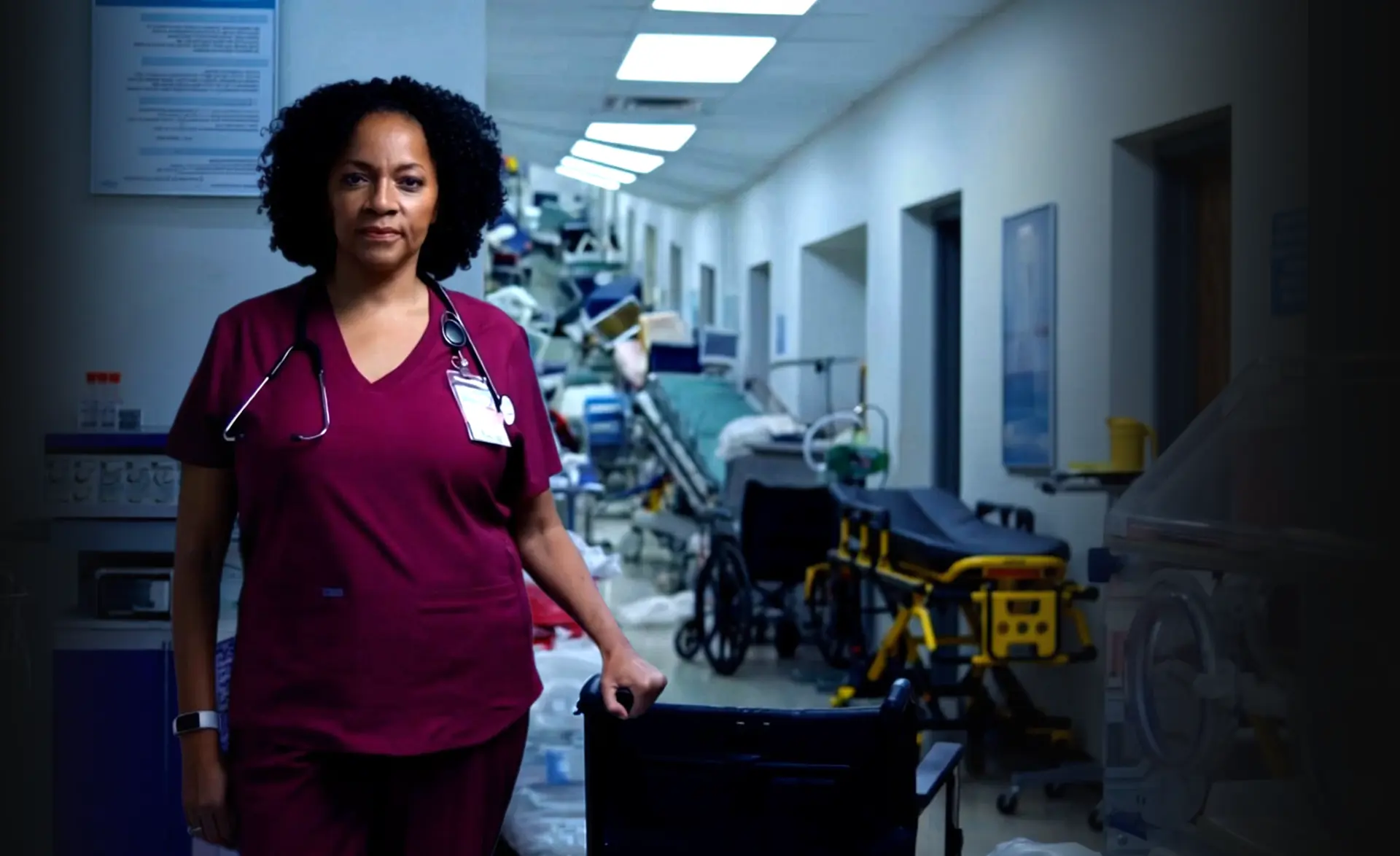
Smart U.S. international investments help to reduce a country’s dependence on aid over time. As an example, for every dollar invested in community health workers, a country can see up to a $10 return from reduced costs of poor health, lower government spending for health, and increased employment and productivity.
Even further, investing in community health workers could prevent 7.4 million unnecessary deaths a year by 2035 by reducing infant and maternal mortality and preventable deaths from infectious disease.
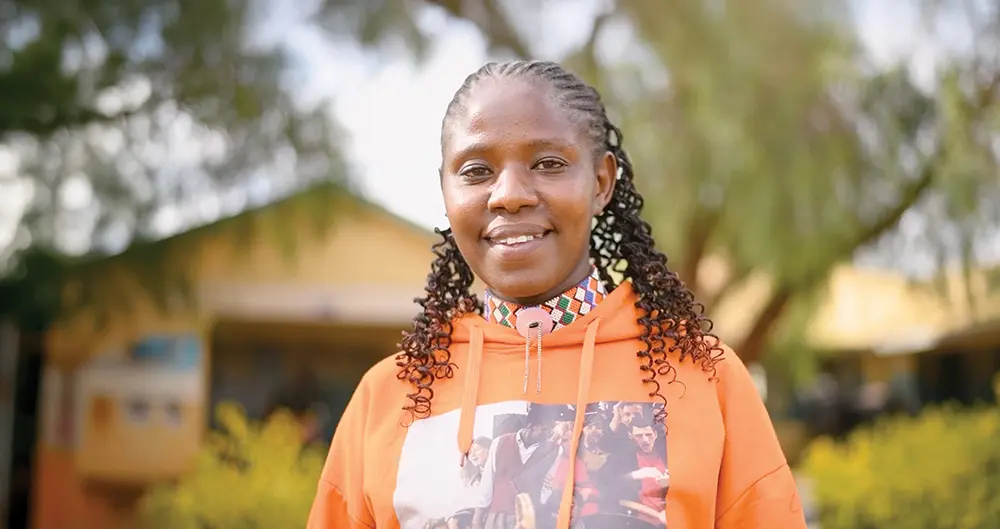
On behalf of the community health workers and women leaders who make change happen in their communities, thank you for helping to heal the world.
Warm regards,
Anne Shaffer Myers
Associate Vice President, U.S. Advocacy