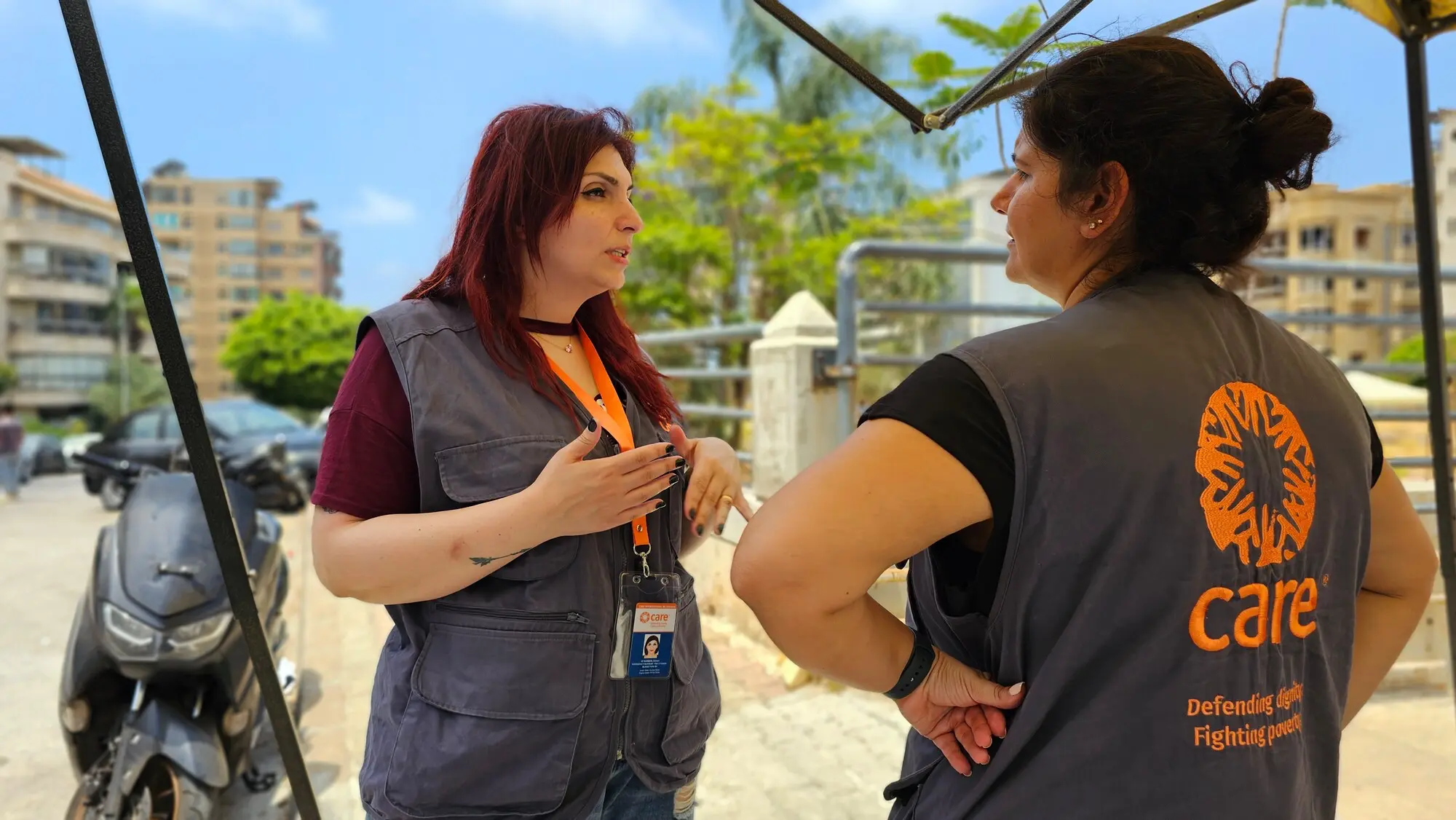
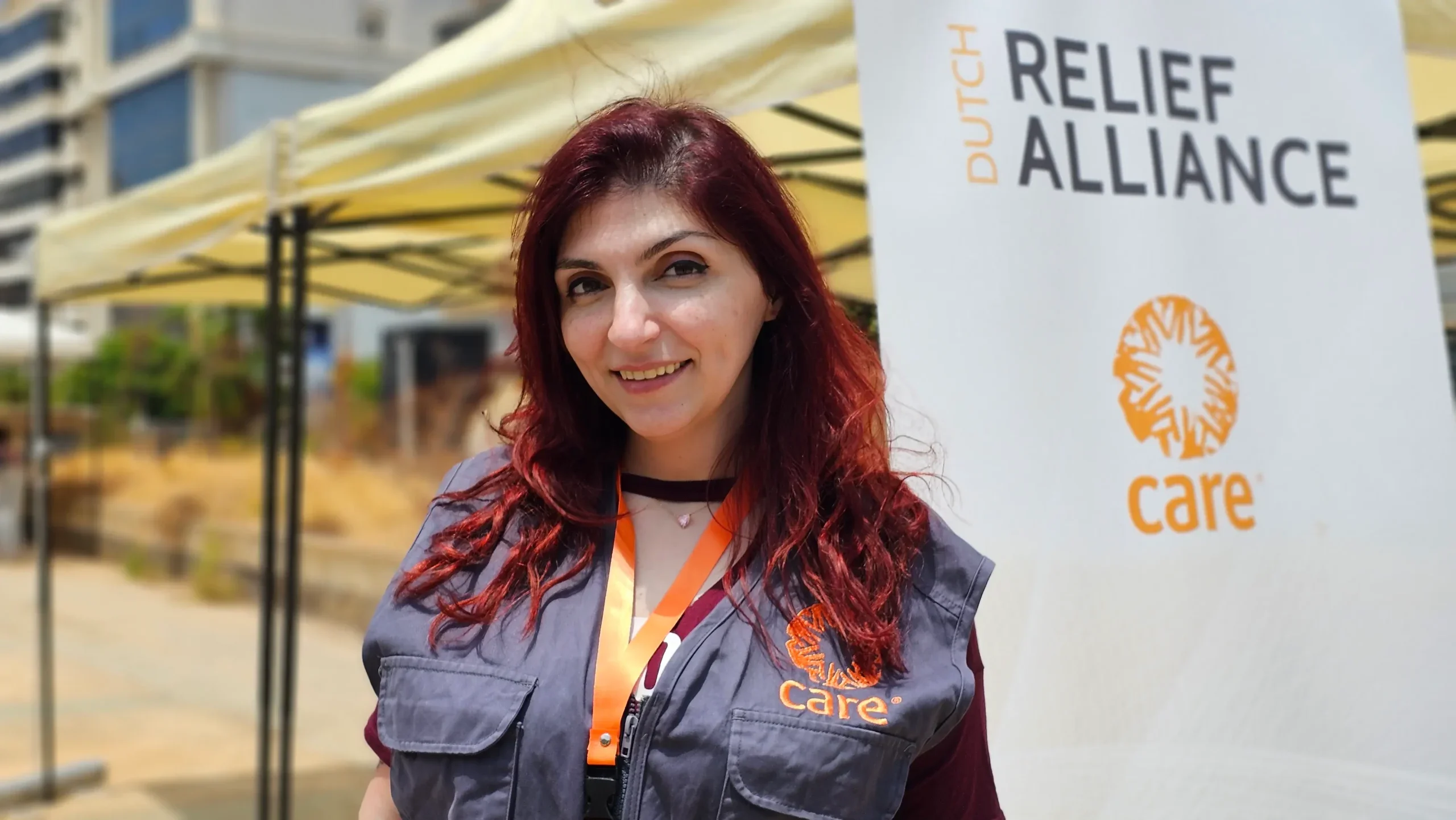
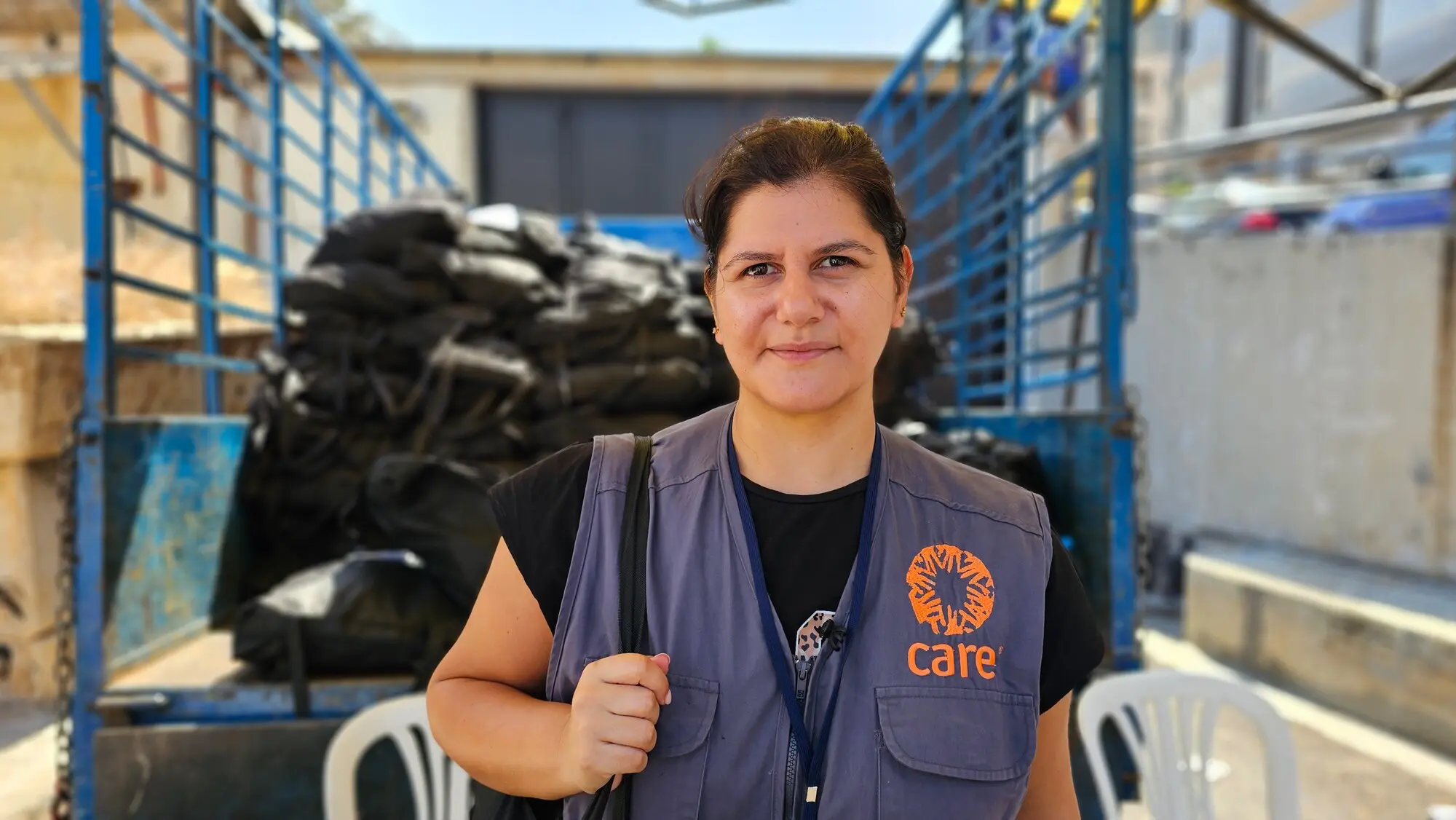
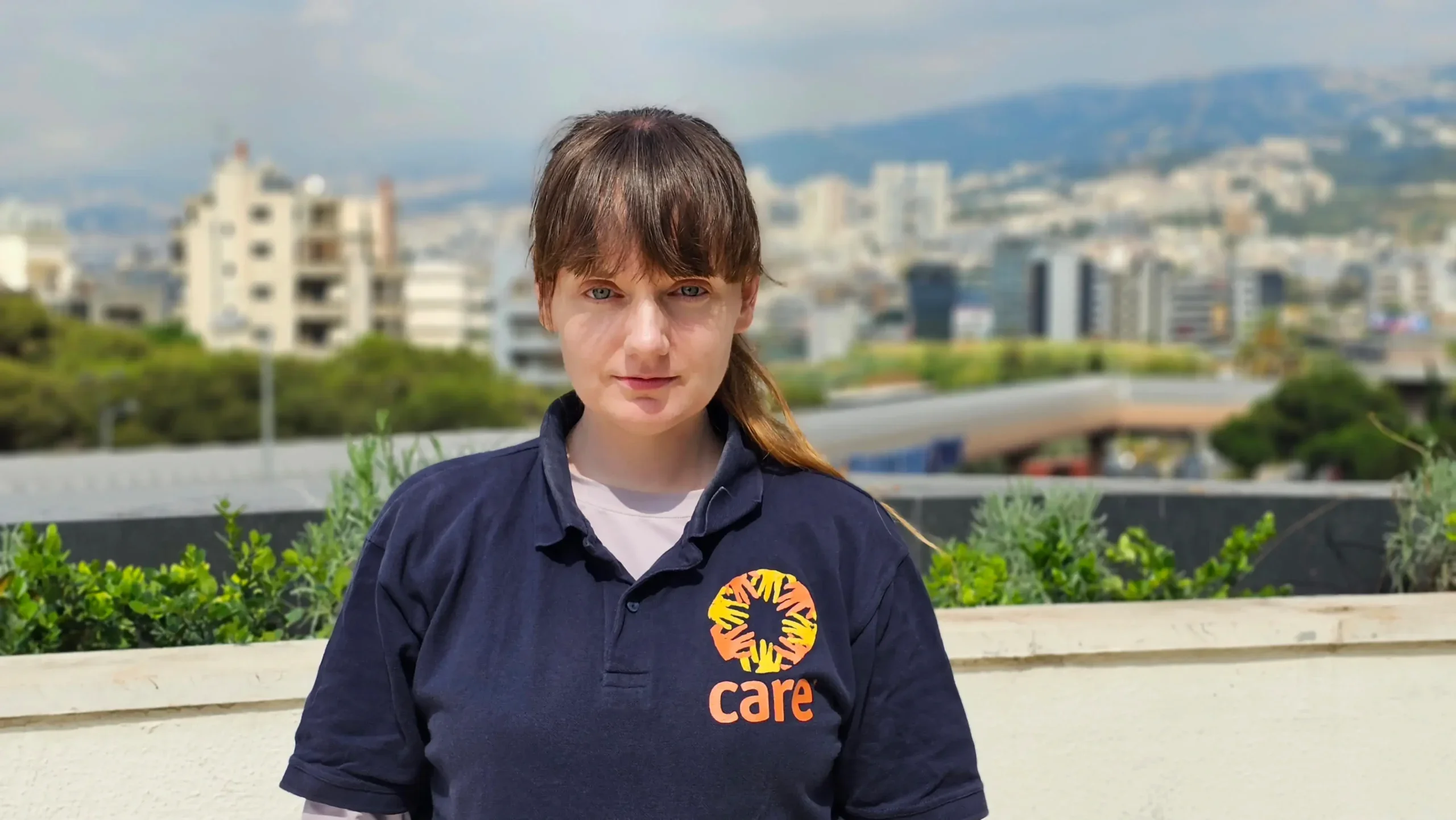
“The humanitarian crisis in Lebanon is not only measured in the number of people displaced or the homes destroyed. It is measured in the impossible decisions families are forced to make every day. I met families who had been displaced multiple times, no longer knowing where to live. I met parents returning to unsafe areas because they simply could not afford their rents any longer. But what stayed with me most were the stories people told. I met a mother who had no time for her feelings, she had too much weighing on their shoulders: Her husband was killed in an airstrike and she is pushing away her grief because her 12-year-old daughter needs her. A father of four no longer sleeps without packing a bag in case of another escalation, filled with plates, silverware, and food for ten days. Because in an emergency, he wouldn’t be able to even buy a sandwich for his children. A mother from Beirut hardly dares to leave the house because she doesn’t know if she’ll make it back alive. And a CARE staff member, who herself lived through five wars, describes the sound of bombs not as noises, but as voices she knows all too well: the airplane, the rocket, the hiss, the impact, the echo, the collapsing house. Her earliest childhood memory is of her father carrying her down the stairs to seek shelter. Today, she sees her own children growing up in the same situation.
These are not isolated stories. They are the reality for millions of people who have endured years of conflict, economic collapse and repeated displacement. Humanitarian aid provides food, shelter and essential services, but it also gives people something just as important: the chance to preserve their dignity, protect their families and hold on to hope for a future beyond survival.” – Sarah Easter