“I am overwhelmed.”
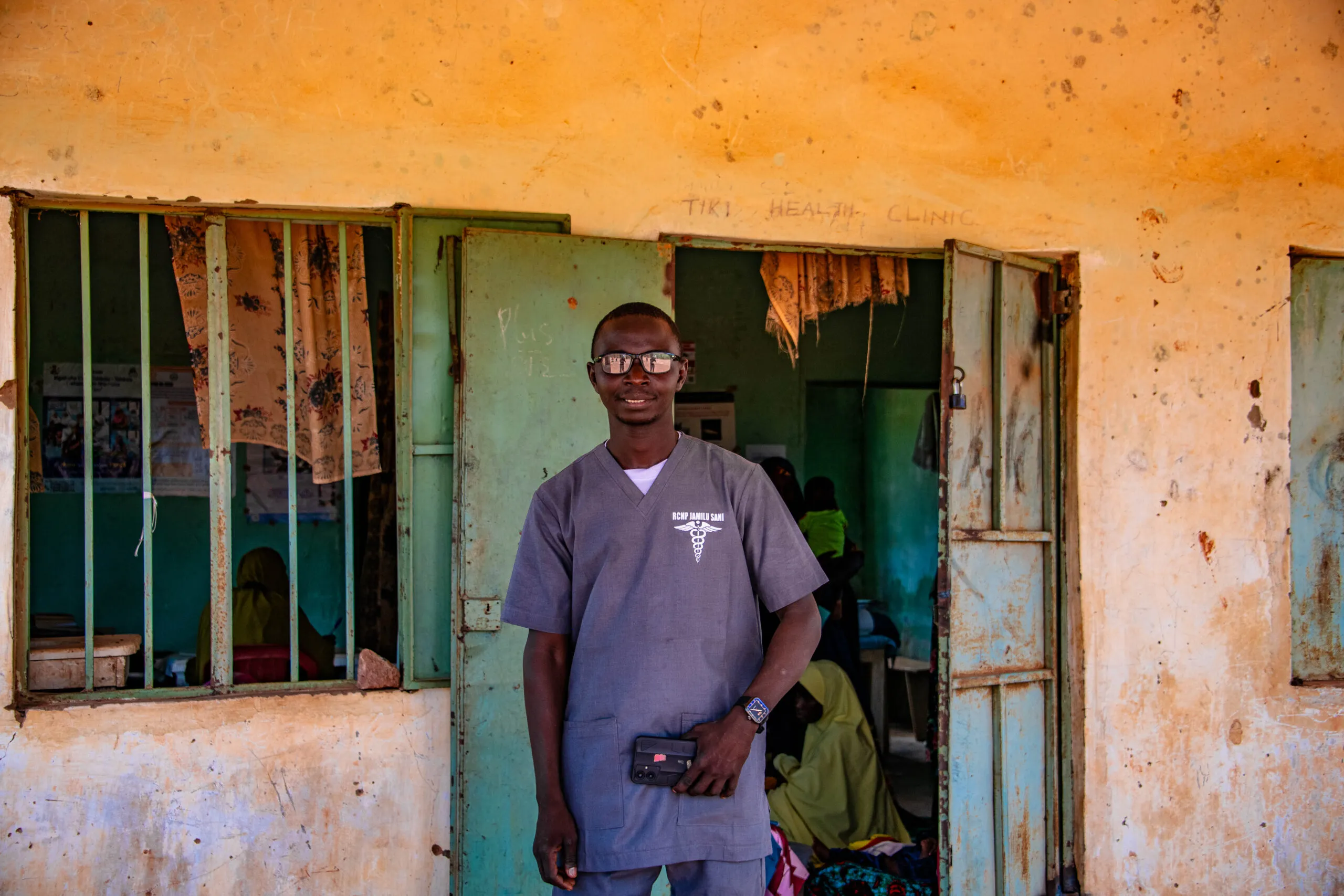
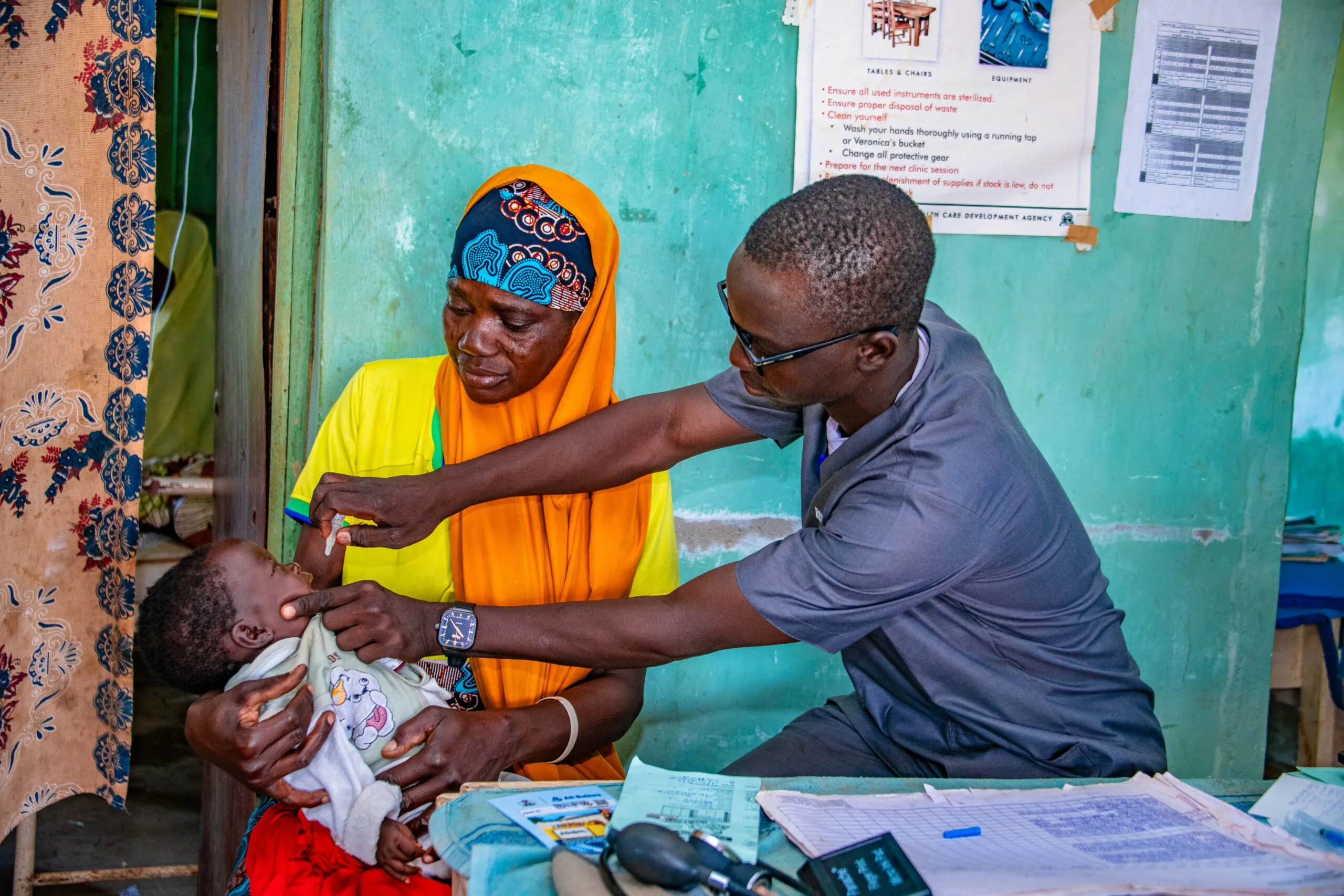
In Tiki, a quiet rural settlement in Charanchi Local Government Area of Katsina State, Nigeria, Jamilu Sani is one man doing the work of many.
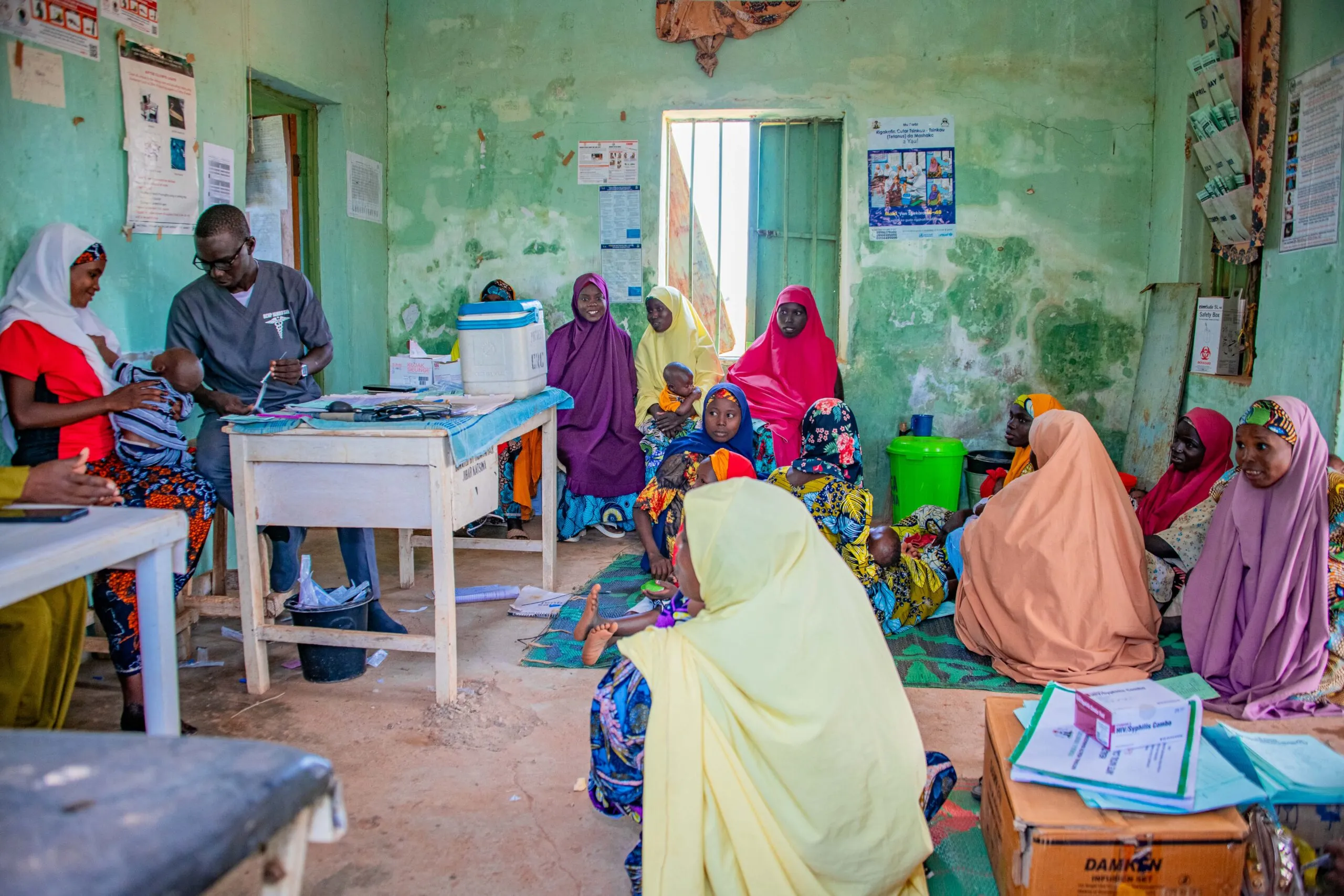
Jamilu is the only frontline community health worker (FCHW) at the Tiki Health Clinic, where he sees dozens of patients every day. Some are pregnant women seeking prenatal support. Others are parents with sick children. Whatever issues come through the door, Jamilu is the only health worker there to see them.
For nine years, Jamilu, 34, has served as a FCHW in Tiki, where more than 50 households depend on the clinic — and on him. He provides routine immunizations, maternal and child healthcare, and basic diagnostic services, often making difficult decisions without other professionals to consult.
Even on days when he feels under the weather, Jamilu says he goes to work because he knows people are counting on him.
“If I don’t stand strong to fill the gap for my people, who else will?” he says.
Across rural northern Nigeria, other frontline health workers face similar pressures. They’re often the first, and sometimes the only, source of healthcare in their communities.
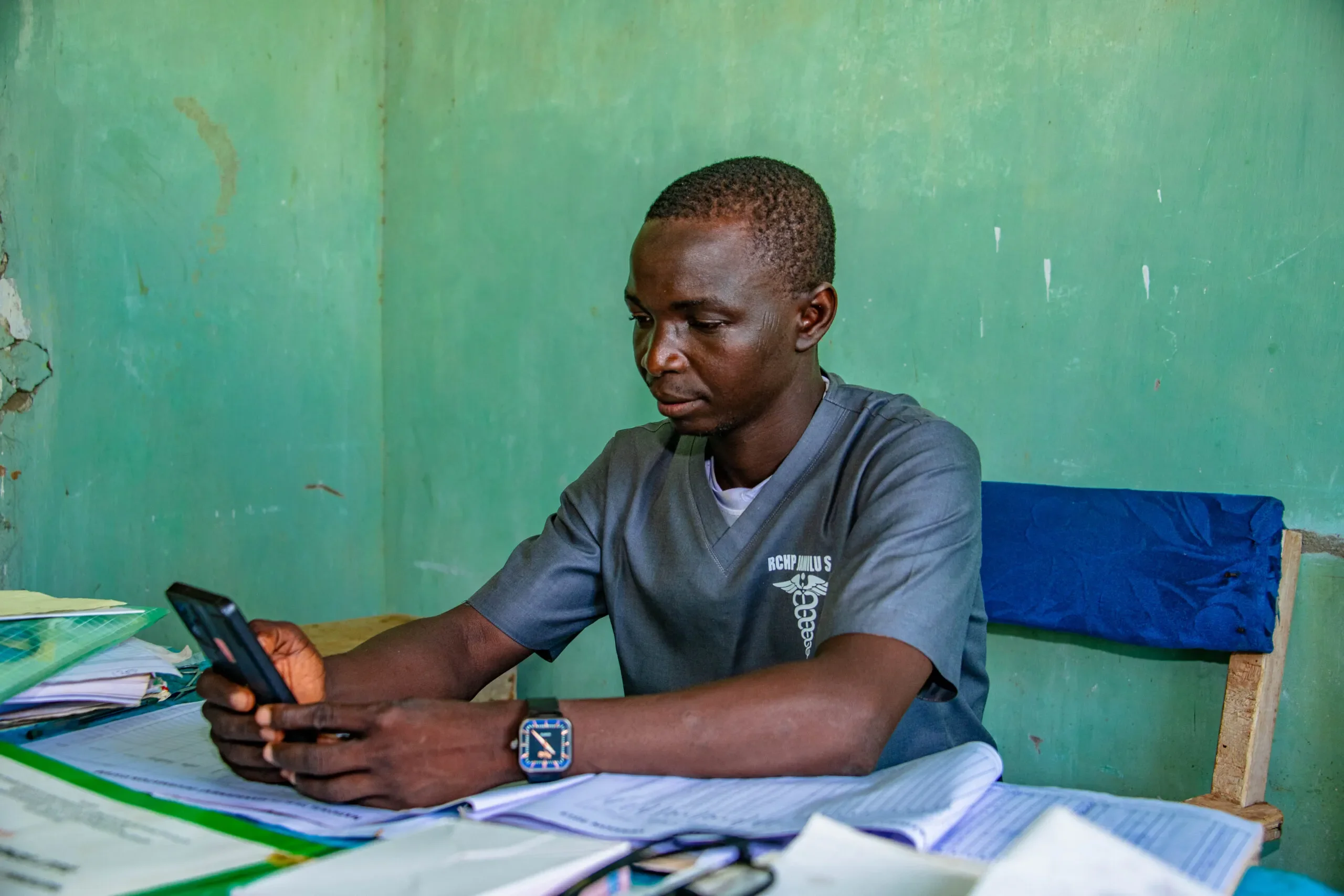
For Jamilu, a new digital learning platform is providing training and information that he can use on the job. But while technology is helping FCHWs provide better care, it can’t fill all the gaps in staffing, equipment, and support.