National Hurricane Preparedness Week: CARE shares disaster prep tips and readies response efforts for the 2026 season

By Ryan Bergeron May 6, 2026

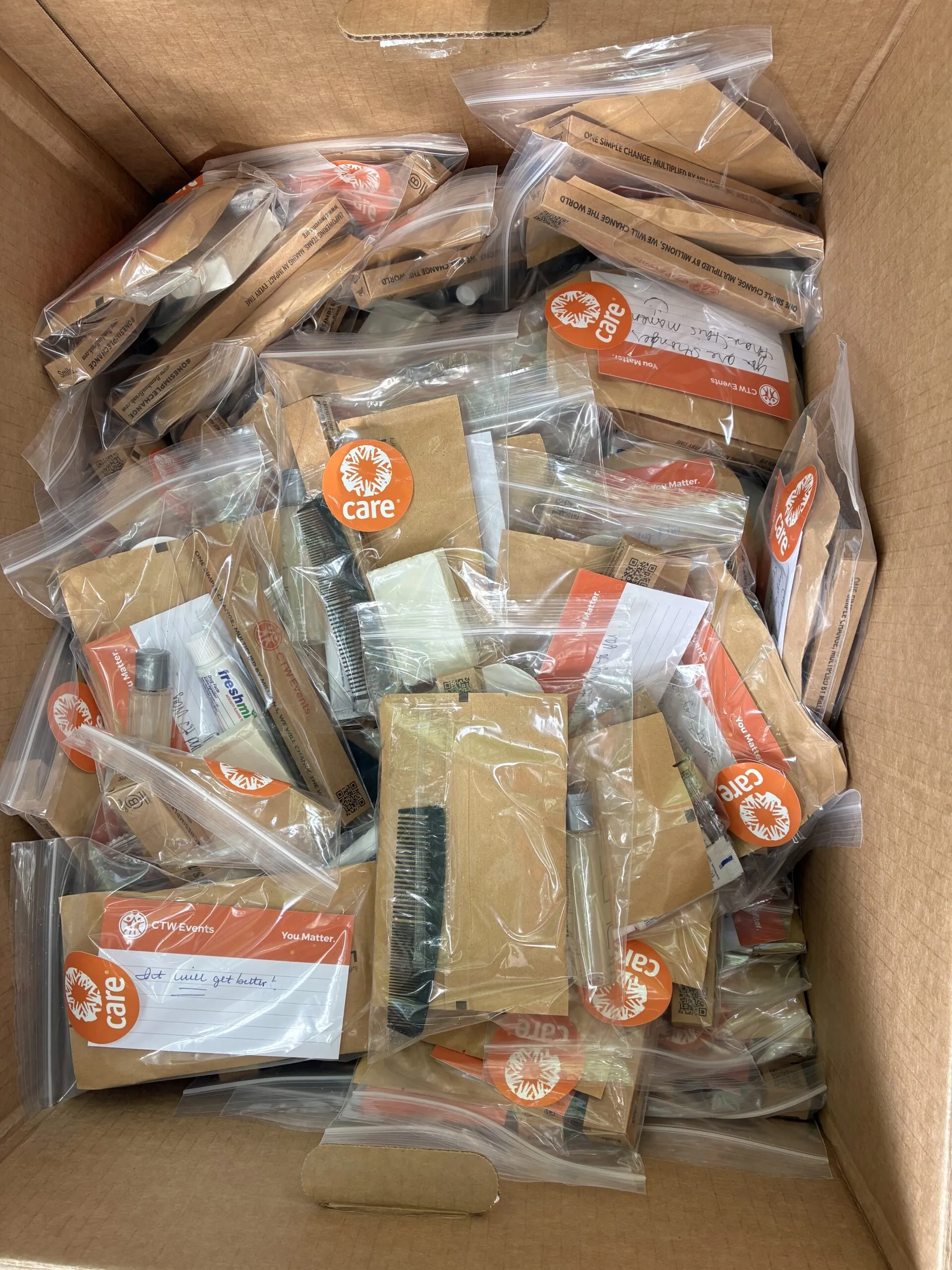
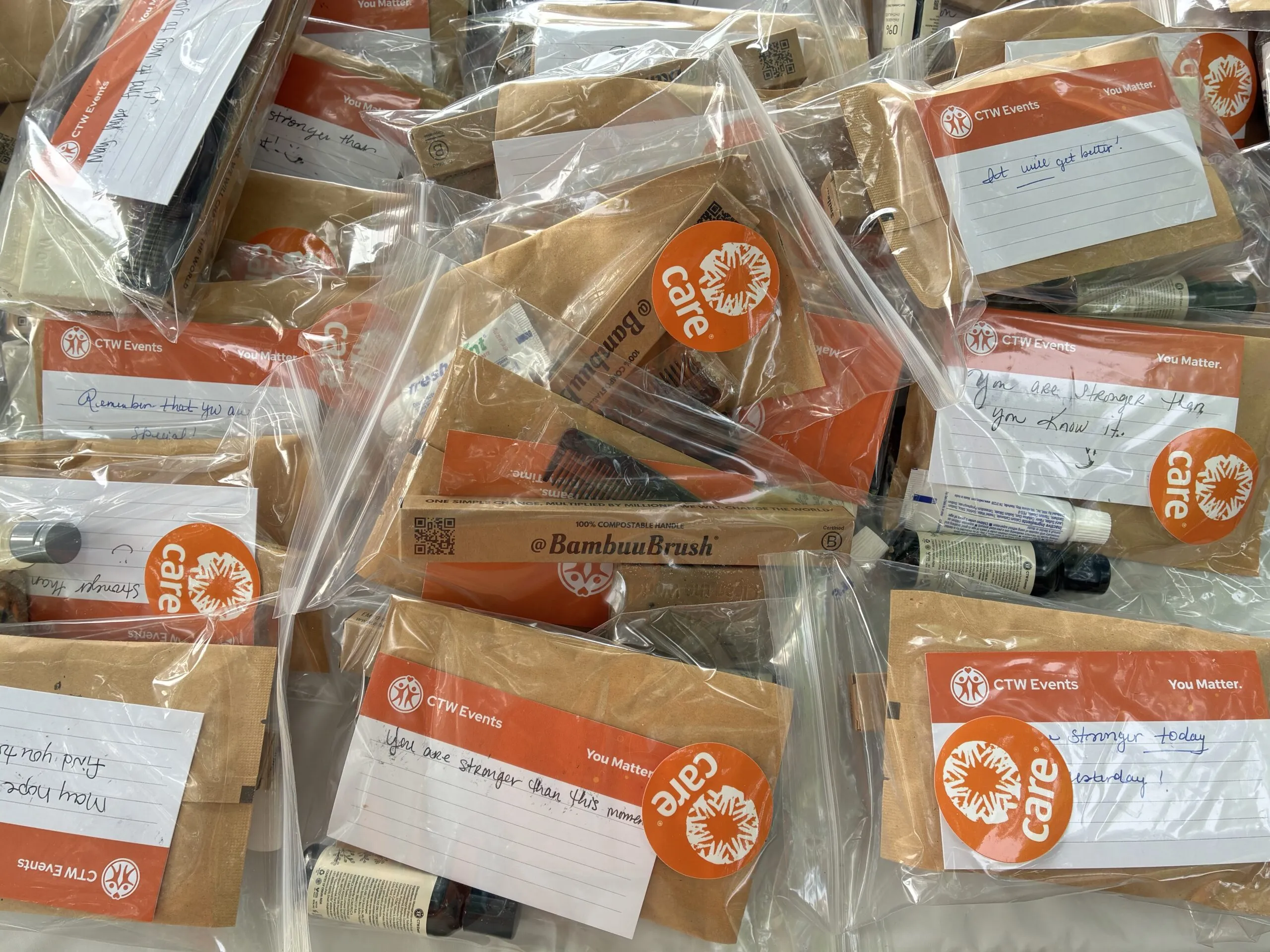
A collection of CARE PACKAGE hygiene kits

A collection of CARE PACKAGE hygiene kits that will be part of CARE's disaster response. Photo: CARE.

“Being shut off from the world, not knowing what's next. For me and my family, it was a very scary feeling.” As Shamira Temple, a single mother in Asheville, North Carolina, thinks back to Hurricane Helene, she remembers feeling unprepared for the storm and the destruction it brought.

Want more stories like this?

Sign up for the CARE Newsletter to find out more about what’s happening around the world through vibrant, engaging stories that put humanity at the center.

Subscribe

When Helene descended upon western North Carolina on Sept. 27, 2024, it was no longer the Category 4 storm that made landfall in Florida the day before. Still, the storm brought high-powered winds and record rainfall that toppled trees and flooded streets, businesses, and homes.

Once the storm had passed, Shamira, who was six months pregnant at the time, felt like she was completely cut off from the world. She and her three sons had no electricity, no water, and no cell service. The storm made many of the roads undriveable, damaged cars, and made gas hard to find. Trying to get to a store that was open seemed impossible. When her sons would ask when they would have access to water again, she didn’t know what to say.

“My sons always look up to me for, like, the answers and a solution when things happen,” Shamira said. “And when that hurricane hit, I had no answers for them.”

Shamira’s family situation was so dire at times she would have to put her own needs aside to ensure her children could eat, even if that meant putting her unborn child at risk.

“I had never been in a situation like that.”
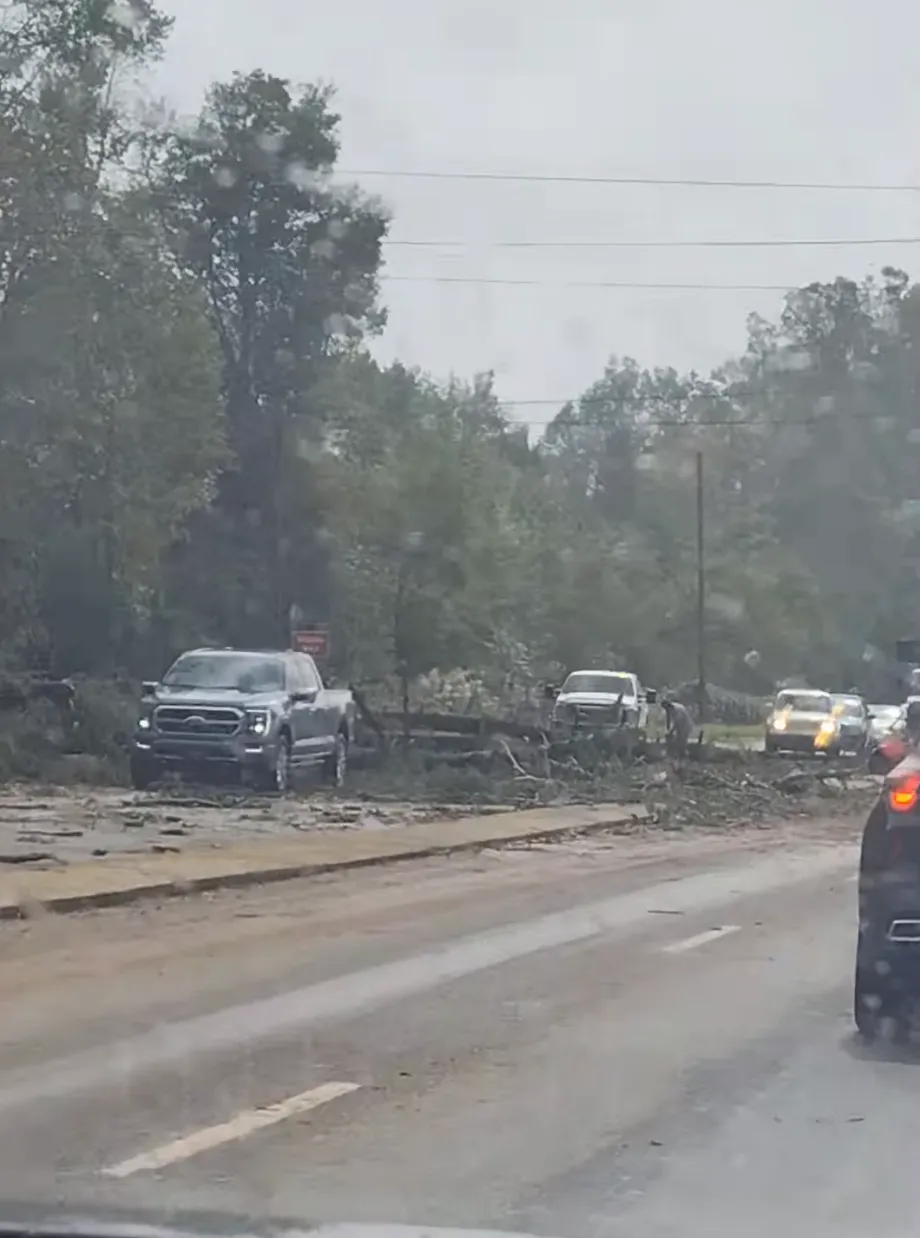
A tree knocked down from Hurricane Helene blocks cars in the road.
A downed tree blocks road in Asheville, NC after Hurricane Helene. Photo: Shamira Temple.

Power in partnership

While nothing can fully prepare you when a natural disaster strikes, this National Hurricane Preparedness Week (May 3-9), CARE is readying its emergency response team, partnerships, and plans to provide immediate relief. This includes training staff responders, building national and local partnerships, and strengthening cash assistance programs.

The cash assistance program is a main component of CARE’s disaster response efforts. It’s one of the most requested types of aid because it’s a fast and efficient way to help those in emergency situations. The funds are flexible and unconditional which empowers recipients.

Gabby Dirden, Director of Implementation for CARE’s U.S. Programs, said the cash assistance program is something that CARE has become known for during international emergency response efforts.

“Unconditional cash assistance has really been shown to give families more dignity and autonomy, on making the decisions on items that they need to purchase immediately after a storm,” Gabby said.

In the aftermath of Helene in North Carolina, CARE, in partnership with the YWCA of Asheville and the United Methodist Church, was able to provide cash assistance to over 300 families with women receiving 94% of the funds.

Shamira, who works as a teacher at the YWCA of Asheville, says the cash assistance she received not only allowed her to buy items her family needed, but helped “fill in the gaps” and gave her a sense of peace.

“Now, I was able to sleep,” Shamira recalled. “I was able to take care right here, right now, for my boys, and for myself, and for my unborn child.”

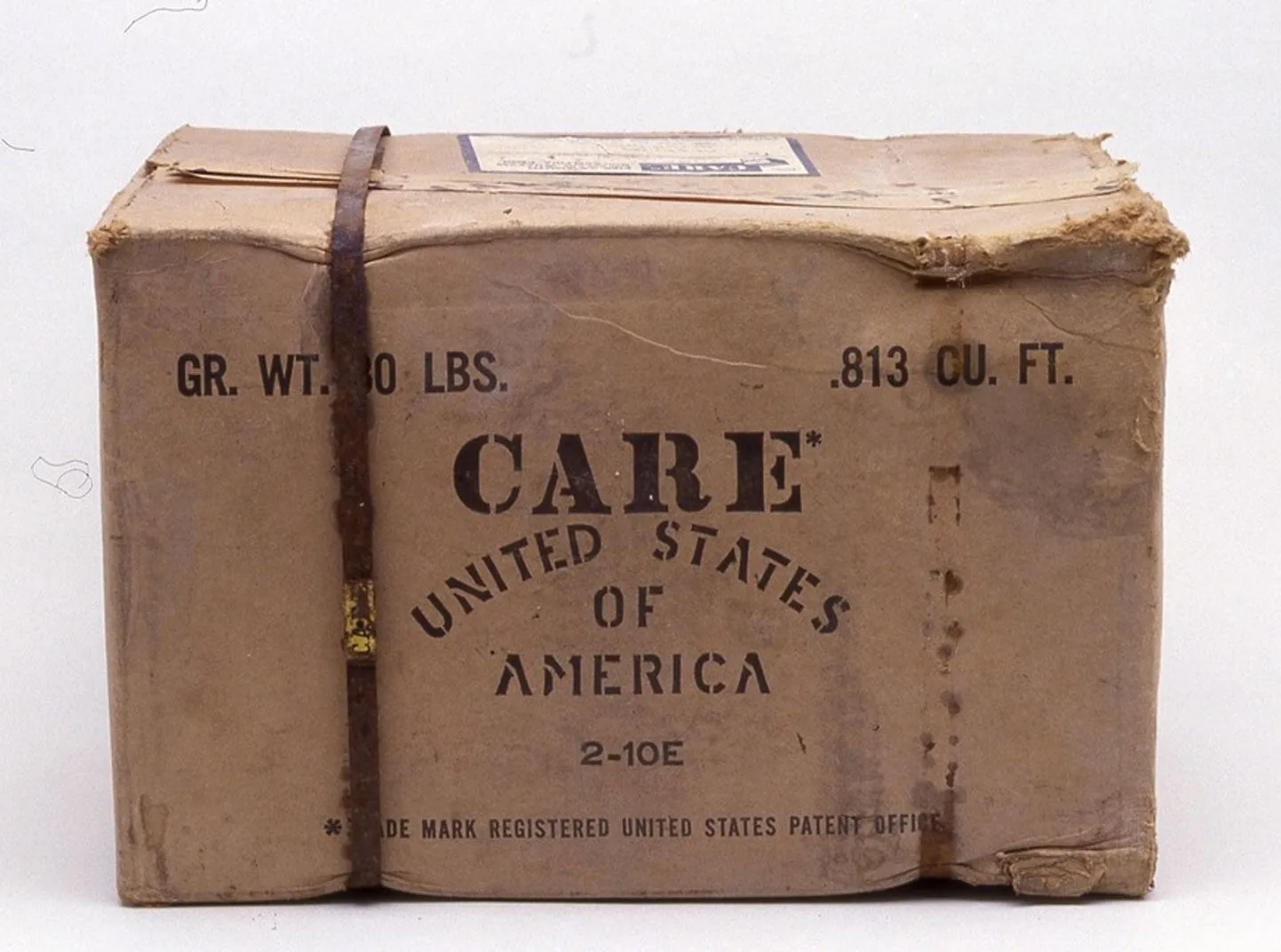
A box of CARE PACKAGE hygiene kits.
Hygiene kits, which can be supplemented with feminine hygiene products, will be one of the items that CARE distributes during emergency response efforts. Photo: CARE.

CARE’s hurricane response

The recovery efforts after a storm like Helene can take years. CARE is still providing aid in North Carolina and recently distributed a fourth round of cash assistance during the months of December and January. The cash program has been a focal point of CARE’s emergency response efforts, but additional resources will be available this year.

“We are evolving how we do emergency response, and not just focusing on cash, but highlighting CARE PACKAGE® parcels that can be distributed,” Gabby Dirden explained.

A CARE PACKAGE for disaster response can include different items, depending on the most urgent needs. They can include a basic hygiene kit that can be supplemented with menstrual health products, a kit with essential items for mothers and babies, or self-care items for frontline workers and other caregivers.

CARE specifically focuses on supporting women during emergencies and into disaster recovery. Women and families from low-income communities are often overlooked during disaster recovery and face more barriers when trying to receive emergency assistance. When women receive the support they need, they are more likely to also support the recovery of others, leading to better outcomes for whole communities.

“Moms are the first responders for their families and they are going to be the ones who are supporting their family when something happens,” Rachel Almond, CARE’s Director of U.S. Emergencies, said.

Shamira and her family are safe and doing well these days. Her baby boy is now 15 months old and she is still teaching at the YWCA of Asheville. The trauma of Helene lingers with her family, but the next time a storm heads their way, their emergency supply kit is ready to go.

“I have a whole emergency plan and me and my boys, we go through it. We need to know how to support each other.”

A mom and her four sons pose for a picture.
Shamira Temple and her four sons in Chicago, 2026. Photo: Shamira Temple.

Disaster prep tips

As part of National Hurricane Preparedness Week, CARE has put together some disaster preparation tips that focus on mothers and caregivers. The preparation tips below are designed for disasters like a hurricane or flood.

For moms and caregivers

  • Make a family plan. Know the risks and how to receive alerts, plan where to go and where to stay. You can find open shelters by texting SHELTER and your ZIP CODE to 43362.
  • Make a communications plan. Know your child’s school or daycare emergency procedures, create emergency contact cards, choose an “out-of-town” contact in case of power outages.
  • Make a go-bag. Pack essentials like water, flashlights, batteries, first-aid kits, medications, copies of important documents (birth certificates, insurance), baby supplies (if needed), feminine hygiene products, and cash.
    • Kids should have separate go-bags with some comfort items like activities, snacks, and blankets.

For pregnant people 

  • Keep important information ready. Have a physical copy of your birth plan, key details about your medical history and contact information for your care provider. Your hospital bag can double as your emergency preparedness kit.
  • If you need to evacuate, travel with a support person if possible. Don’t drive more than three to four hours at a time and drink plenty of water.
  • Learn and know the signs of labor and urgent maternal warning signs. Call for help if something doesn’t feel right.
Back to Top