CARE responding to Indonesia earthquake, distributing emergency relief

By CARE Staff August 20, 2026

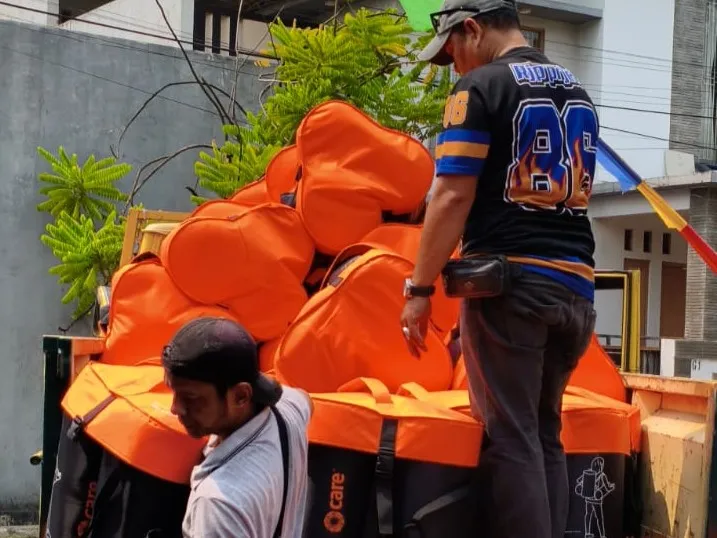
Two men unloading bright orange emergency relief packages in Indonesia.

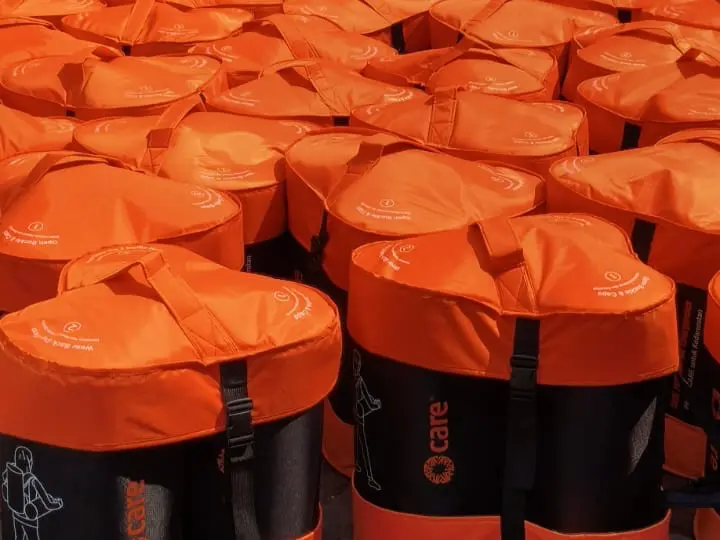
CARE PACKAGE® for Emergencies kits are being distributed in Indonesia to 200 families. Photo: CARE

A magnitude 7.7 earthquake struck Indonesia early on August 15, killing an estimated 70 people, injuring more than 1,000 and displacing more than 40,000.

The earthquake struck offshore, about 30 kilometers from Mbay, East Nusa Tenggara, Indonesia. Authorities issued a tsunami advisory, and more than 35 aftershocks were reported in the hours that followed.

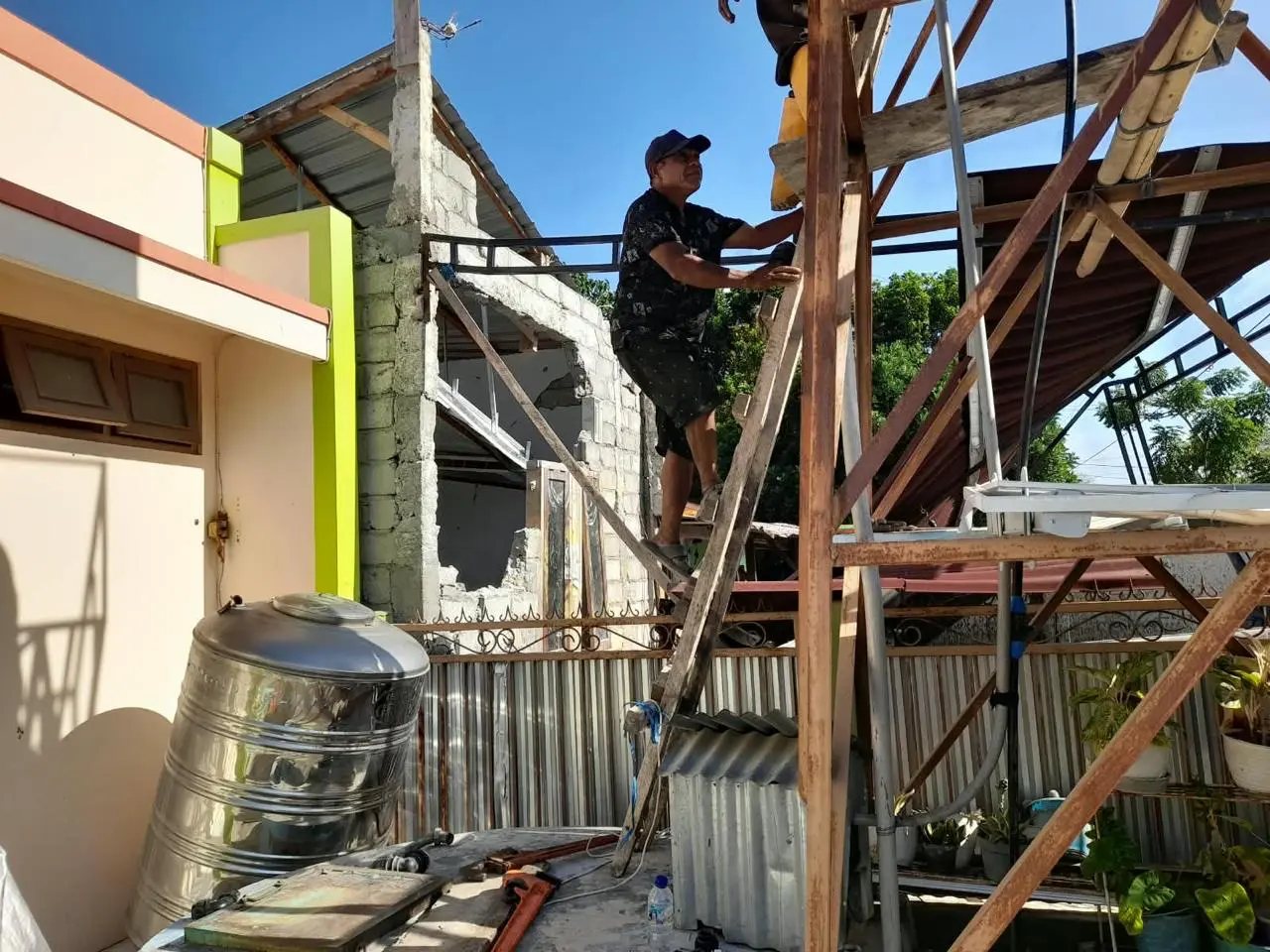
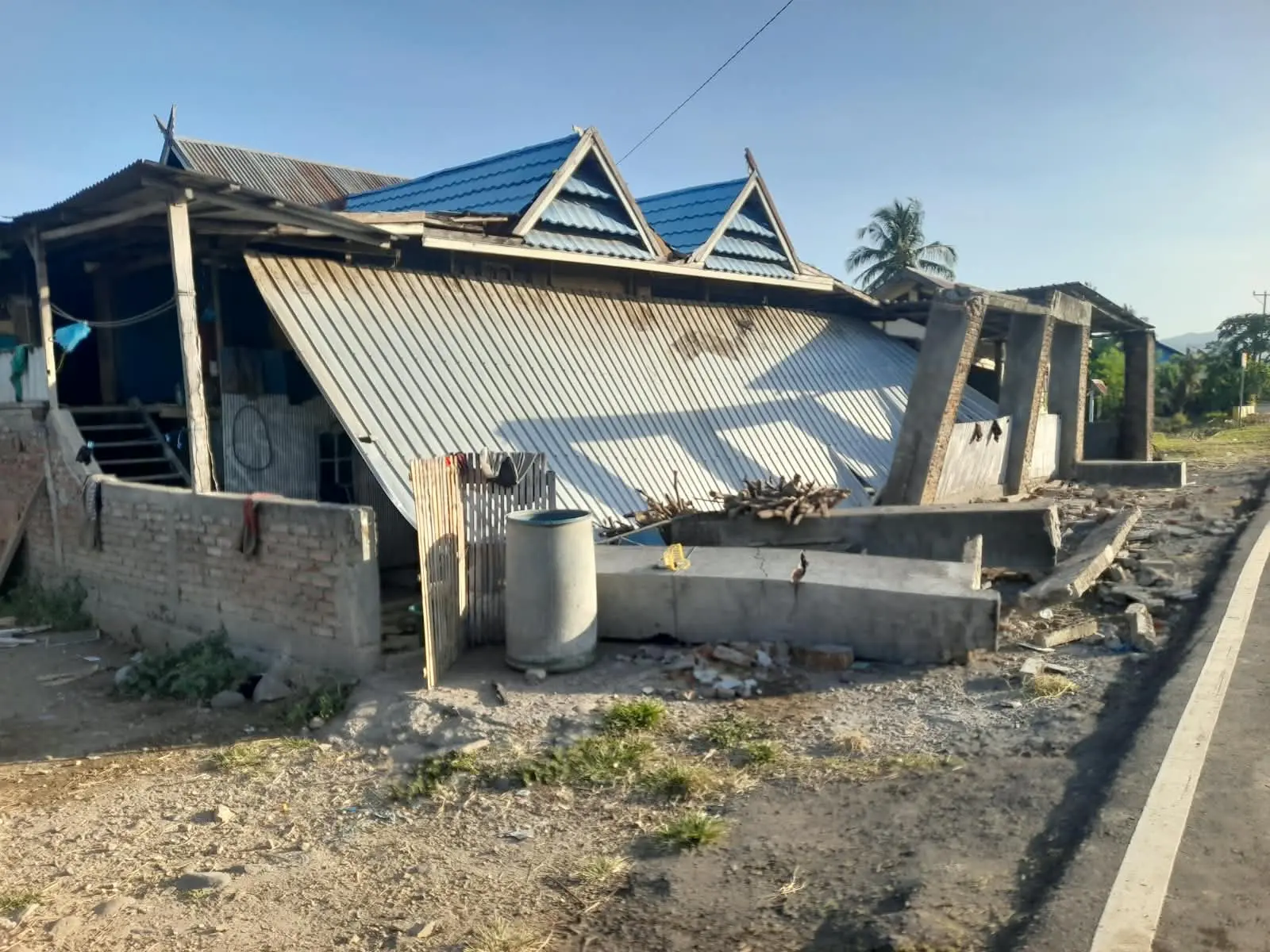
Shaking from the earthquake was felt across Flores, parts of Sumba, Adonara, Solor, and West Nusa Tenggara. More than 11,000 houses and 700 public buildings, including more than 95 health facilities, were reported damaged.

The earthquake struck around 6 a.m. local time, while many people were still sleeping or at home.

“I was still in my room when the earthquake happened. The shaking was immediately very strong, so I took my children and went outside. Part of the house was damaged, and the water storage tank was also damaged, making access to clean water difficult,” said Densy, a resident of the Aesesa subdistrict.

CARE is responding to help meet families’ basic needs during the early emergency response period.
CARE is delivering emergency aid

A wideshot of a building that was damaged in an earthquake.
More than 11,000 homes were damaged by the earthquake on August 15. Photo: CARE

CARE Indonesia is working in coordination with the Coordinating Ministry for Human Development and Cultural Affairs (Kemenko PMK) to distribute CARE PACKAGE® for Emergencies parcels to 200 families affected by the earthquake in Nagekeo District, East Nusa Tenggara.

These packages include:

  • Hygiene kits with toothpaste and toothbrushes, shampoo, soap, underwear, sanitary pads, and other hygiene supplies.
  • Solar-powered lighting kits to support families living in areas with limited access to electricity and lighting.
  • Water storage and filtration supplies, including buckets, jerry cans, filter cloths, and collapsible funnels.
  • Cooking utensils, including knives, glasses, frying pans, a steamer, portable stoves, and plates.
  • Emergency shelter supplies, such as tarpaulins, mosquito nets, sarongs, and jarit cloth.

Dr. Abdul Wahib Situmorang, CEO of Yayasan CARE Peduli (CARE Indonesia), says that CARE is working to ensure that all family members receive support.

“In an emergency, assistance must not only arrive quickly, but also respond to the actual needs of every family member. CARE’s response takes into account the needs of women and children, including hygiene, menstrual health, clean water, safety, and the support in ensuring decent conditions in temporary shelters.” Abdul said.

Clean water, essential medicines, and hygiene supplies are still in urgent need. Abdul said that a rapid needs assessment will also take place to “ensure that subsequent responses are more targeted, inclusive and responsive to conditions on the ground.”

Reports indicate that the earthquake hit one of Indonesia’s poorest provinces and women and children make up more than 30% of people in evacuation sites. CARE is currently working with local authorities and humanitarian groups to distribute aid and will provide updates as more information comes in.

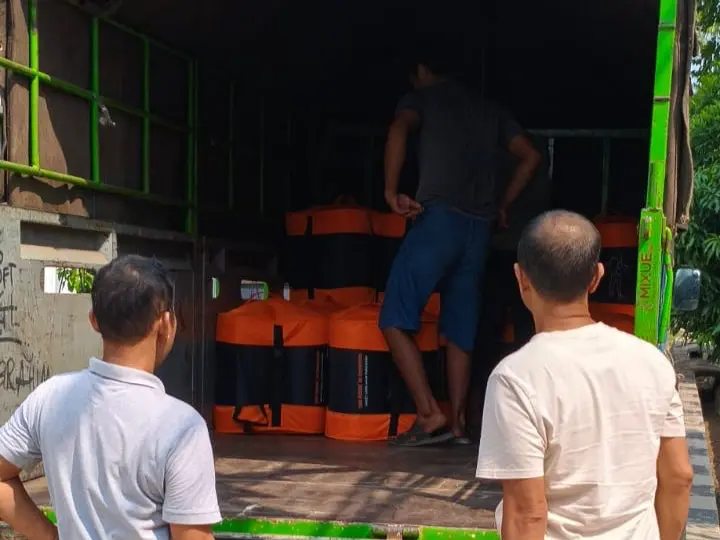
Men unloading emergency relief packages from truck after an earthquake struck Indonesia. A group of CARE PACKAGE for Emergencies with bright orange lids. A man is standing on a ladder and inspecting damage to a building after the earthquake in Indonesia.
1 of 3
CARE responds to Indonesia Earthquake

CARE PACKAGE for Emergencies parcels are being distributed to 200 families affected by the earthquake. Photo: CARE

CARE has worked in Indonesia since 1967, and our work focuses on disaster risk reduction, emergency response, natural resource management, food distribution, water, sanitation, and more.

Back to Top