How school meals protect refugee children's education in Uganda

By Nora Namono and Hillol Sobhan April 21, 2026

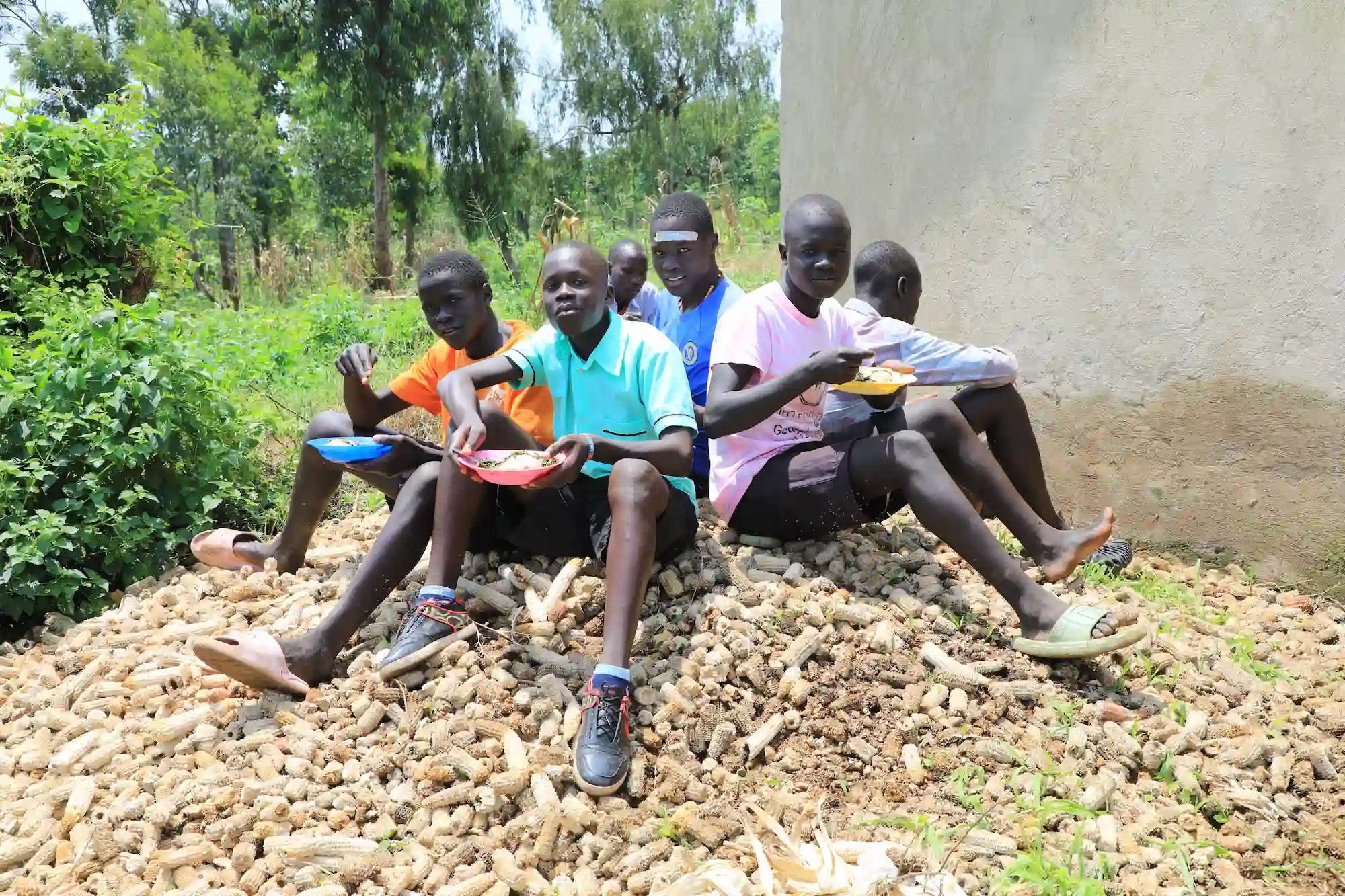
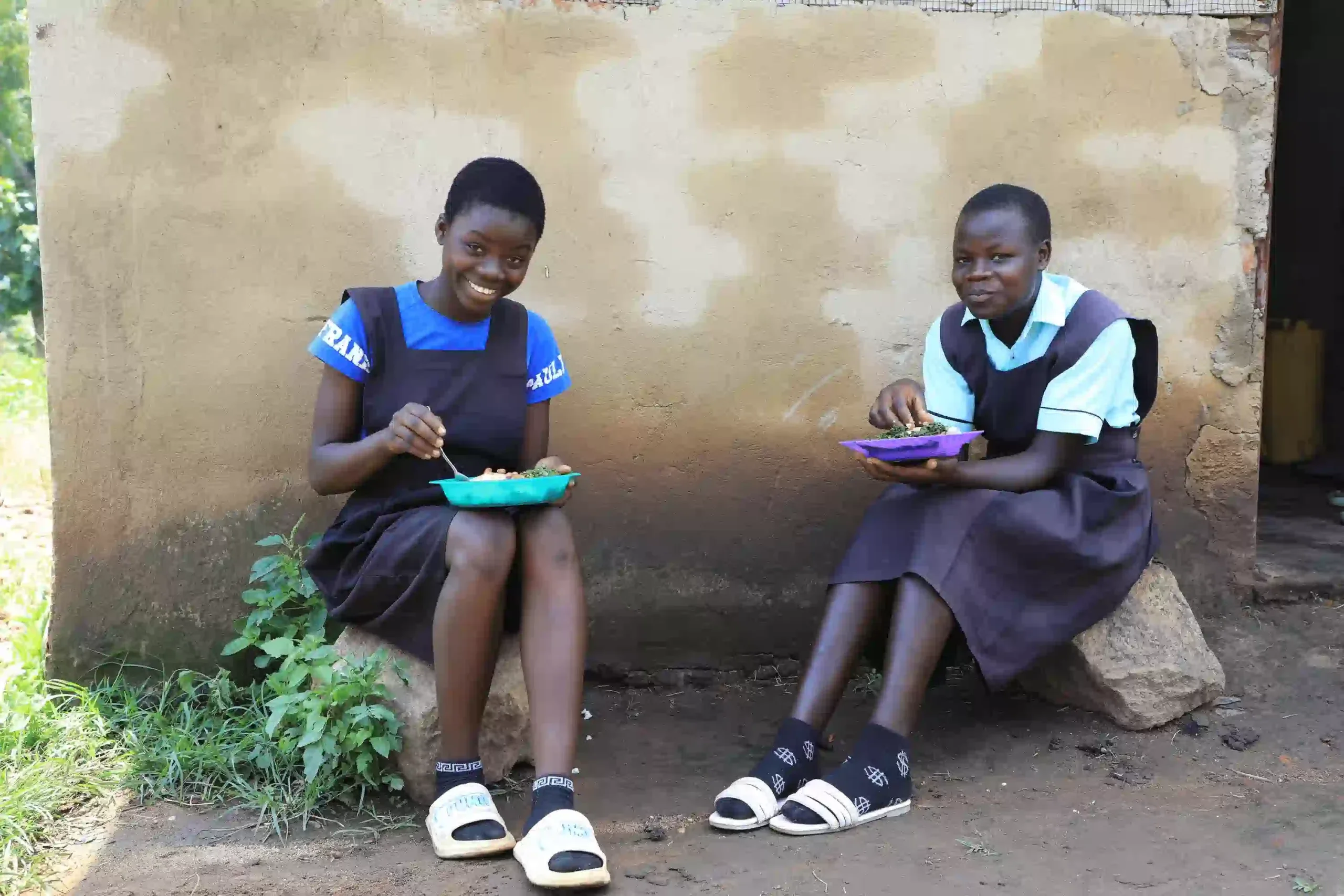
Two smiling students at Ngurwe Primary School in Uganda's Kyangwali Refugee Settlement eating school meals as part of a sustainable school feeding program.

From empty desks to daily school meals, students in Kyangwali Refugee Settlement are securing their own futures through sustainable school feeding programs. All photos: CARE Uganda

At Mombasa Primary School in Uganda's Kyangwali Refugee Settlement, lunchtime has become a moment of quiet triumph. Children once distracted by hunger now line up for bowls of steaming porridge, their faces bright with anticipation.

“This school feeding program helps us study well and work toward the future we want,” says Ezekiel Alfay. He’s a student and the head prefect at Mombasa Primary School in Uganda’s Kyangwali Refugee Settlement.

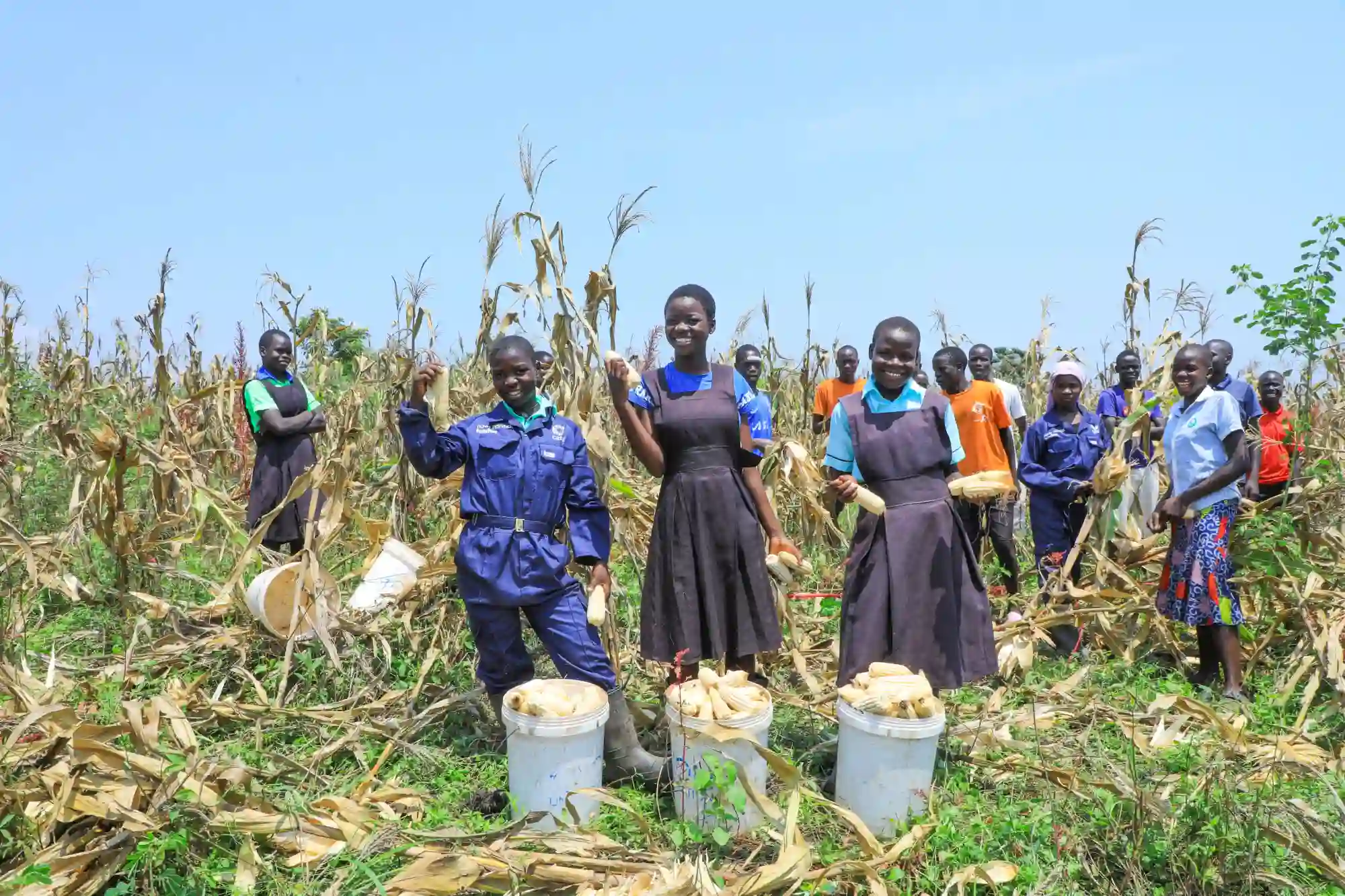
“We grow the maize ourselves, and what you see today is the result of our own effort. The children are happy, no one is crying, and everyone has received their porridge.” These simple rituals highlight lasting change: sustainable school feeding programs are safeguarding refugee children’s education amid declining global aid.

Previously, hunger ruled classrooms across Kyangwali.

“Many learners used to come to school and spend the whole day without eating anything,” recalls Ayesiga Geoffrey, head teacher at nearby Maratatu Primary School. “By afternoon, some would leave in search of food and never return to class.”
A refugee crisis made worse by funding cuts

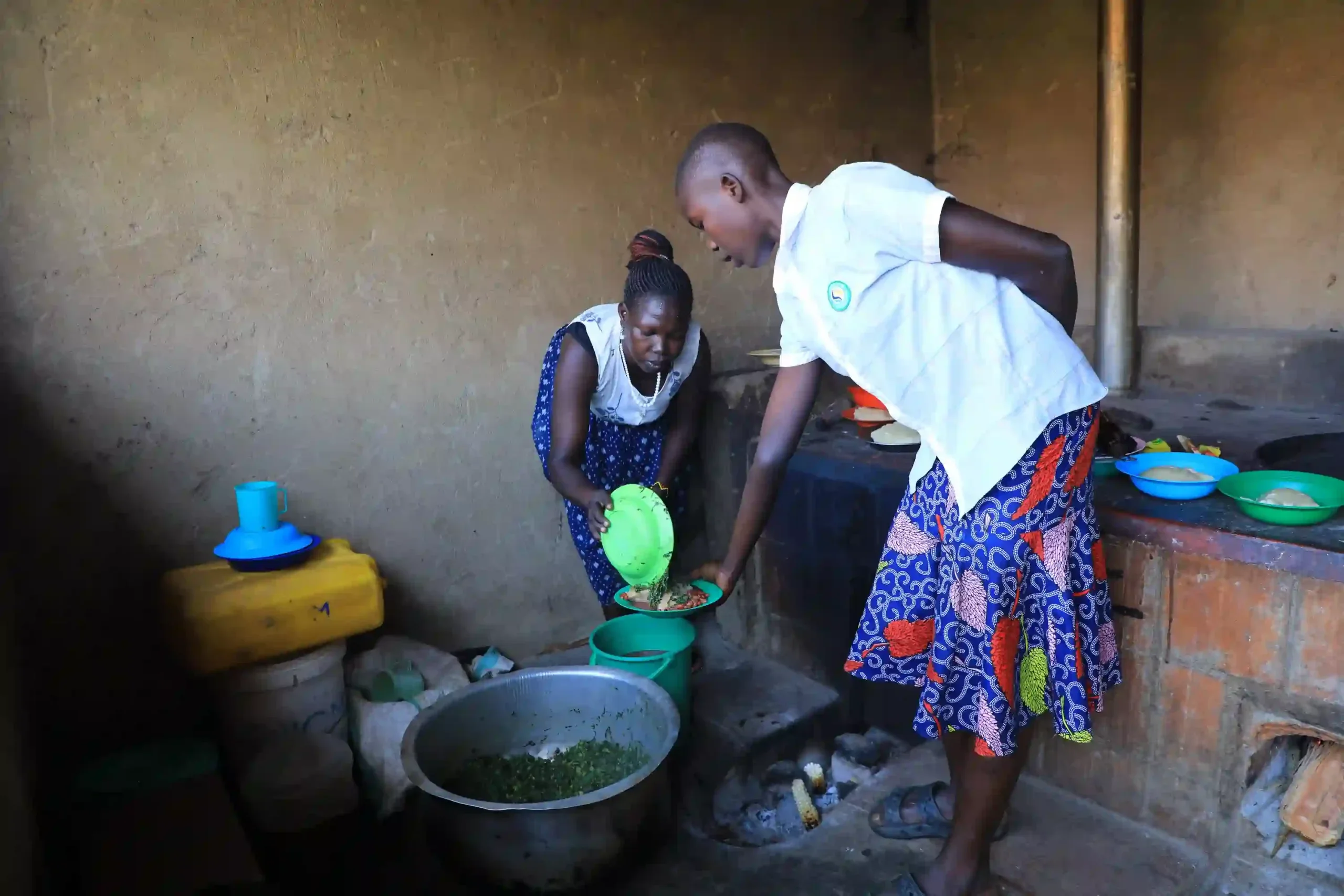
As funding cuts deepen the refugee crisis, daily school meals provide a vital lifeline to ensure hunger doesn't stand in the way of a child’s education.

This widespread hunger can be traced back to Uganda’s refugee crisis. As the host of Africa’s largest refugee population, the country is home to over 1.8 million refugees and asylum seekers from South Sudan, the Democratic Republic of Congo (DRC), Somalia, Burundi, and Sudan. Kyangwali, in southwestern Kikuube District, shelters over 130,000 displaced people, most of whom are from the DRC and South Sudan.

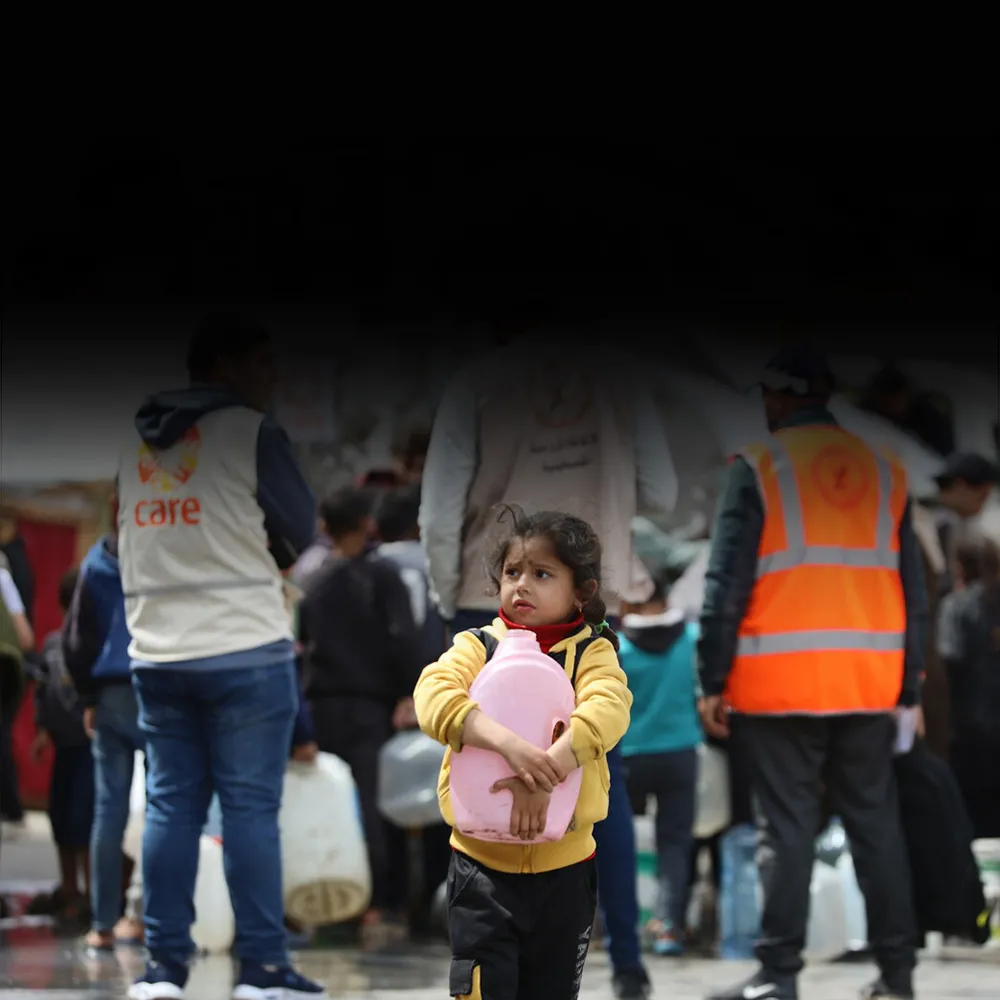
In recent years, international funding has dwindled sharply. Food rations have ended and monthly cash transfers have dropped from $8 to $3 per person. Where support once reached 144,000 families in the region, now only 36,000 are getting the help they need, a reduction of 75%. For families already at risk, this loss is devastating.

“Hunger affects everything,” says Byakagaba Deogratius, Kikuube District education officer. Proper nutrition is essential for healthy growth, brain development, and a child’s ability to learn. When children go hungry, they are more likely to have delayed cognitive development, attention and memory problems, and lower test scores.

“School feeding increases enrollment, improves attendance, enables concentration. Without it, learning cannot occur,” Deogratius adds.

Turning waste into energy and food

Using nutrient-rich bio-slurry as organic fertilizer, these school gardens are achieving the better yields needed to provide students with fresh, sustainable nutrition.

The Biogas for Agriculture and Nutrition in Schools (BANS) project now serves five schools: Mombasa, Ngurwe, Maratatu, Kentomi, and Karuhinda. Launched December 2024 and scheduled to last for two years, CARE Uganda leads the program with partners AVSI Foundation, JESE, and Biogas Solutions Uganda Ltd, funded by Novo Nordisk Foundation.

The approach is elegantly simple: biogas digesters convert kitchen waste like vegetable scraps, animal manure, and other organic matter into clean cooking fuel for school meals, dramatically reducing the need for firewood or charcoal. The nutrient-rich leftover material, called bio-slurry, becomes an organic fertilizer that can significantly boost local crop yields.

“We tested the bio-slurry and immediately saw the difference,” says Kaahwa Zurufah, former head teacher at Mombasa. “Vegetables looked healthier and stronger. Before, [there was] no manure. Now, better yields and nutrition.”

From empty desks to thriving gardens

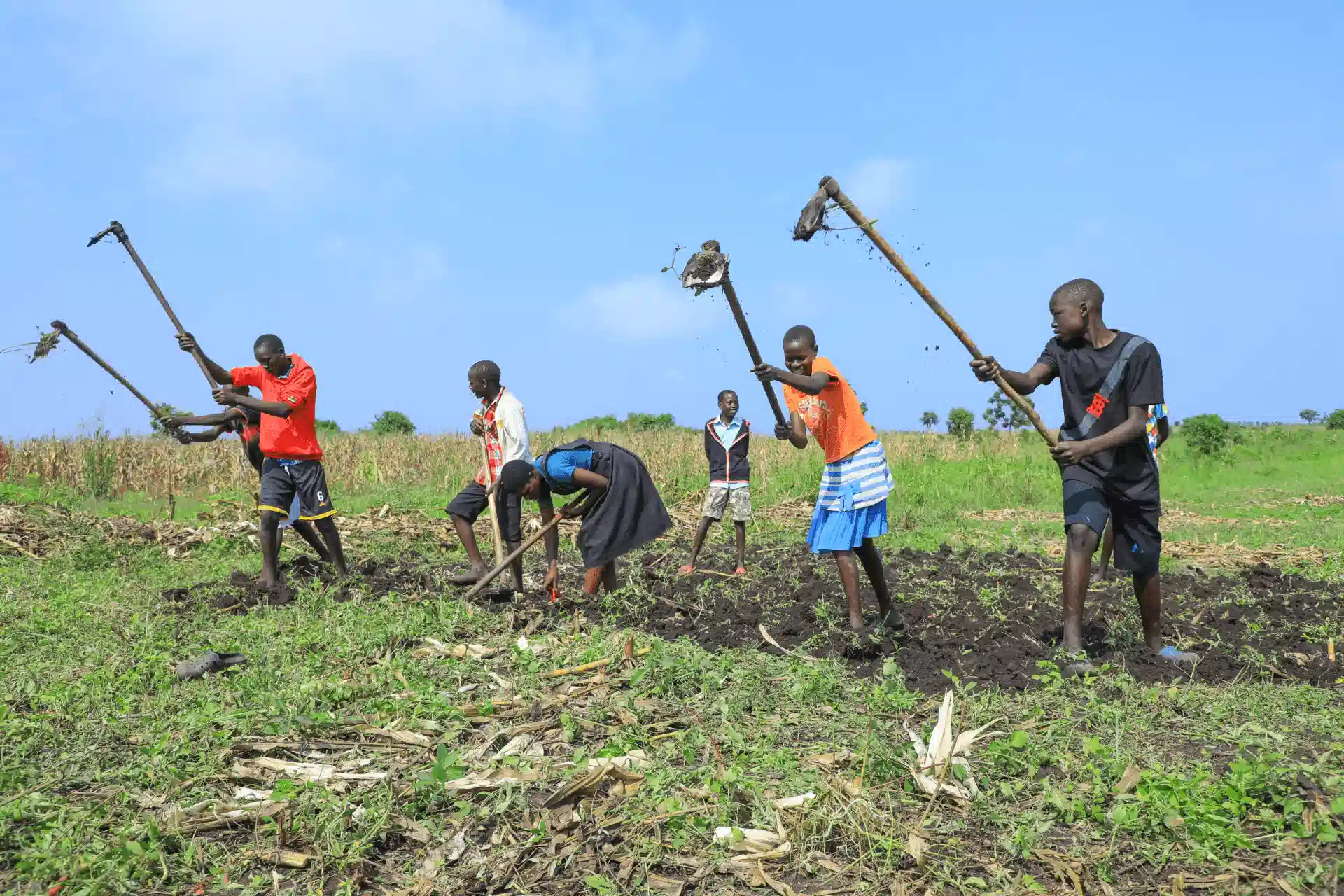
Hands-on training in the schools’ vegetable gardens empowers students to grow their own nutritious food and apply these vital skills at home.

Across these five schools, 18,000 students cultivate maize, tomatoes, cabbage, and kale.

“The children are learning practical skills,” says Kaahwa. “They water crops, spray vegetables, and understand production. Many do this at home now.”

“I didn’t know how to plant vegetables,” adds Angel, a sixth-grader at Ngurwe Primary School. “The garden taught me; now I do it at home.”

“For me personally, I even planted onions at home, and from selling them I meet my own needs,” says Ezekiel, the head prefect from Mombasa.

School attendance is up, too. Across low‑ and middle‑income countries, including Uganda, school feeding programs are associated with better growth, higher enrollment and improved attendance. At Ezekiel’s school, 800-900 students arrive every day, eager and ready to learn. Before the school feeding program began, attendance hovered around 500 students each day.

“We used to have only posho and beans,” says Ocira, a sixth-grader at Ngurwe Primary School. “But now that we’re eating a balanced diet, I feel much stronger — and way more active than before.”

Sustainable solutions beyond aid dependency

By integrating sustainable farming, clean energy, and community ownership, the BANS model shows how schools can maintain their own feeding programs and stay resilient as international aid decreases.

BANS builds endurance by creating systems schools can maintain themselves. Each school commits five acres to grow food to feed all primary students throughout the year.

Parents contribute modest sums to pay cooks’ salaries. These are typically a small cash or in-kind contribution based on capacity, ensuring that every family can participate. Looking ahead, each school plans to raise cows to supply both milk for meals and manure to fuel the digesters, creating a closed-loop system.

“We’re not just feeding children,” says Joanita Nanyunja Ssebayiga, AVSI Foundation program advisor. “We’re strengthening school systems, teaching skills, creating models that last beyond aid.”

As humanitarian funding shrinks, BANS proves that nutrition, clean energy, and resilient farming secure futures.

“Sustainable school feeding improves learning, health, and resilience,” says African Muhangi, CARE Uganda project consultant. “This locally grounded, scalable approach moves refugee communities from survival toward self-reliance.”

About CARE Uganda: CARE has been working in Uganda since 1969, responding to the most urgent needs of conflict and disaster-affected populations. With a particular focus on women and girls, CARE currently reaches over 1,000,000 people annually in Uganda, approximately 60% of whom are refugees and members of host districts.

Back to Top