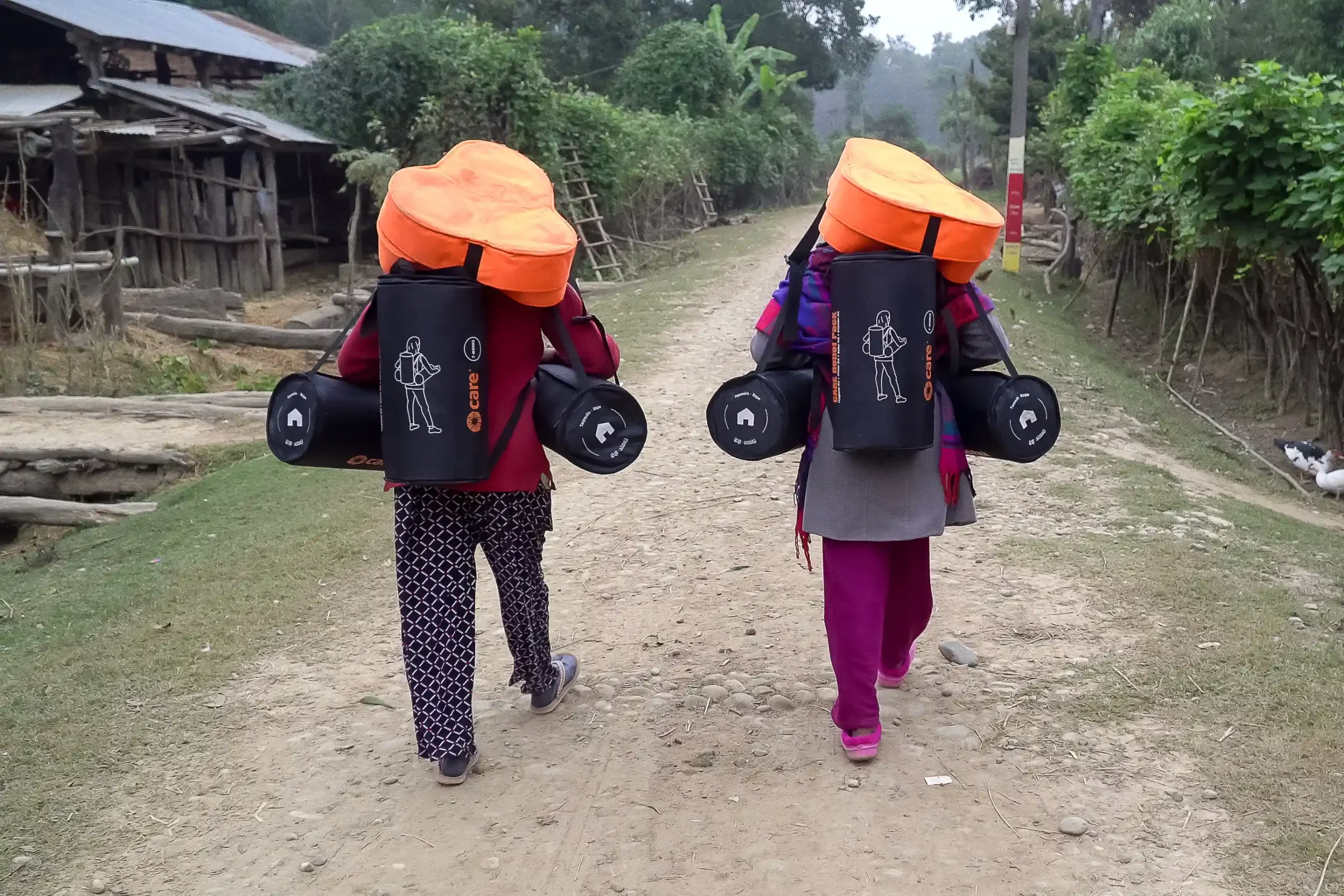
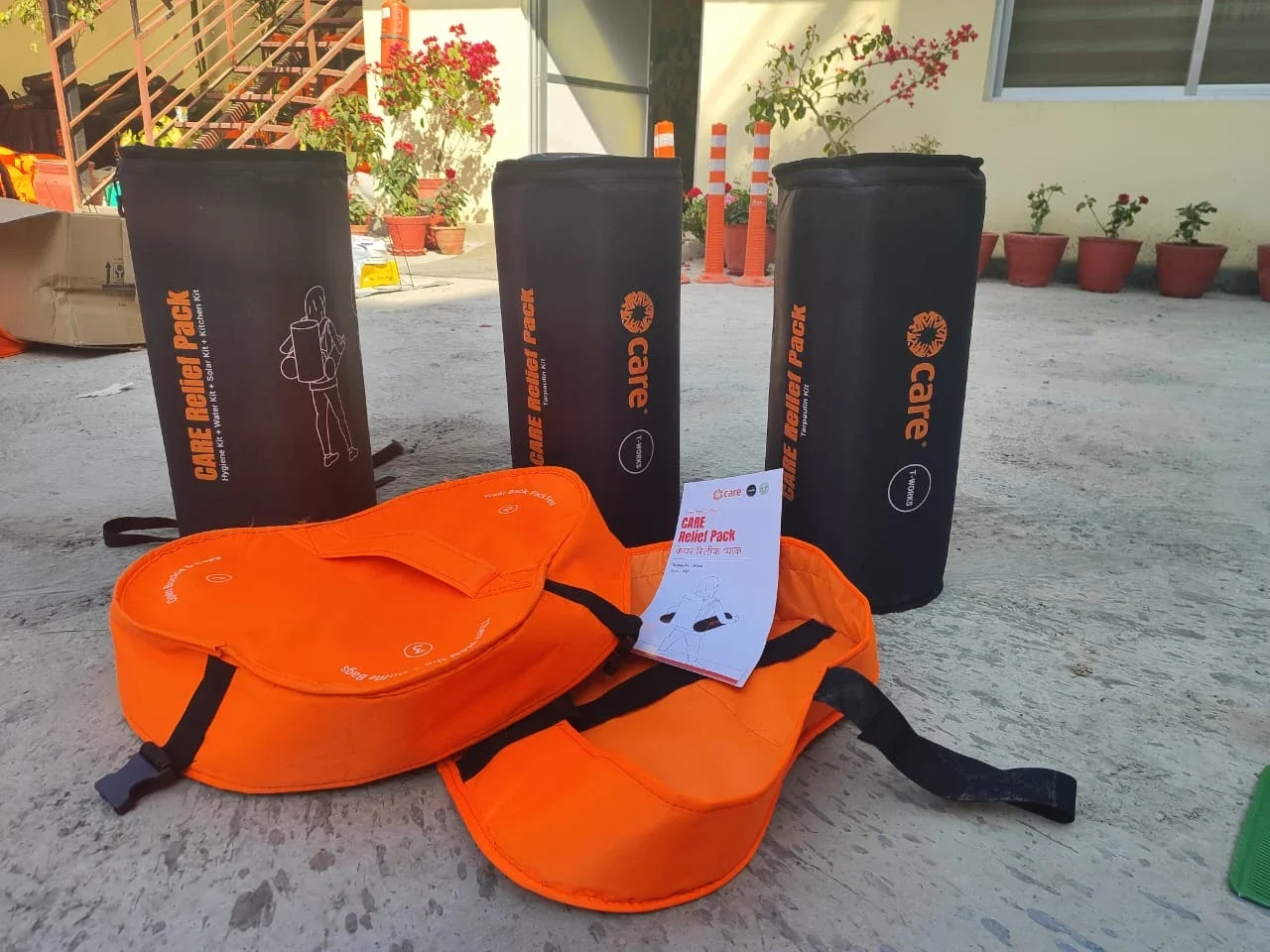
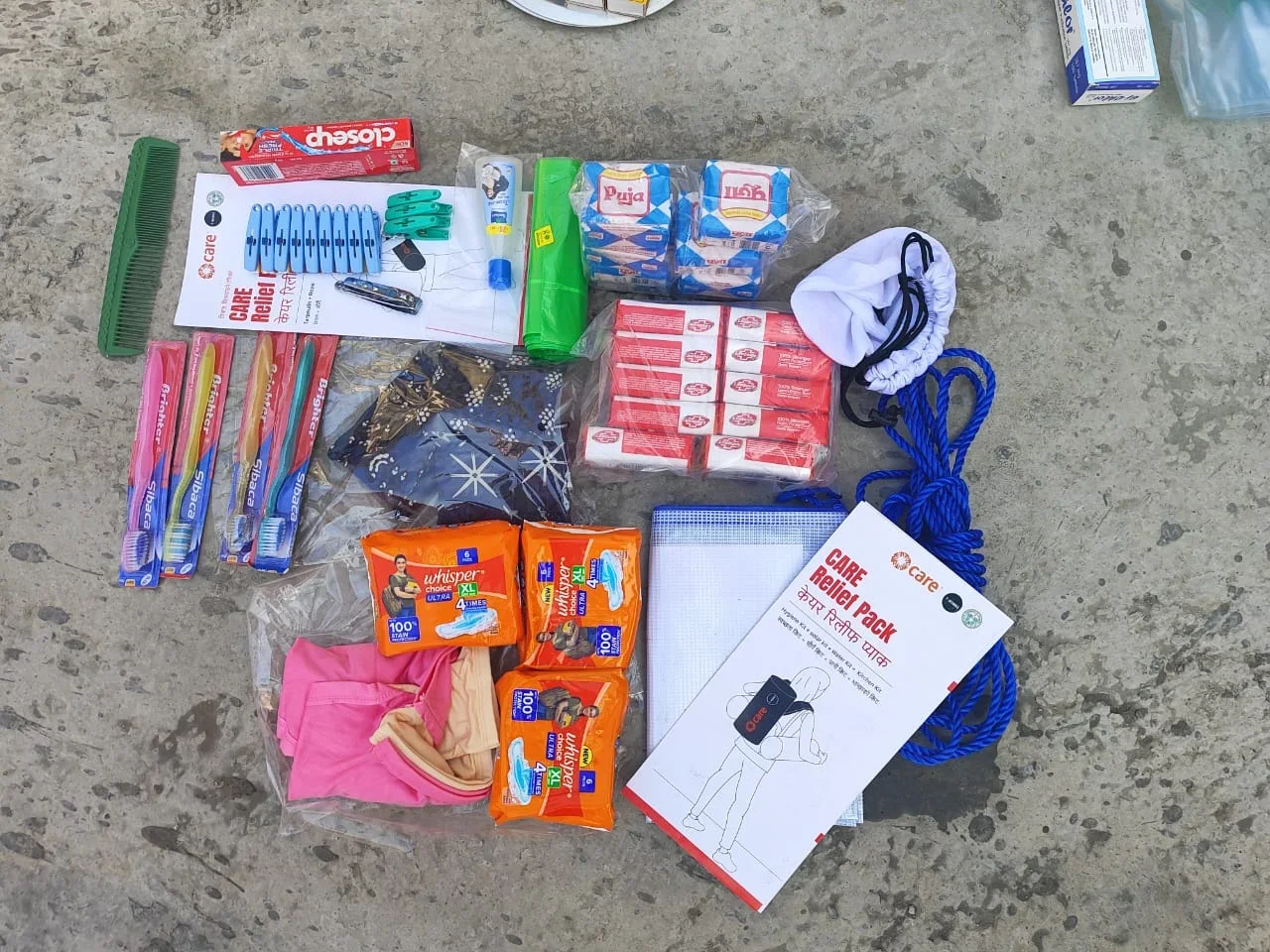
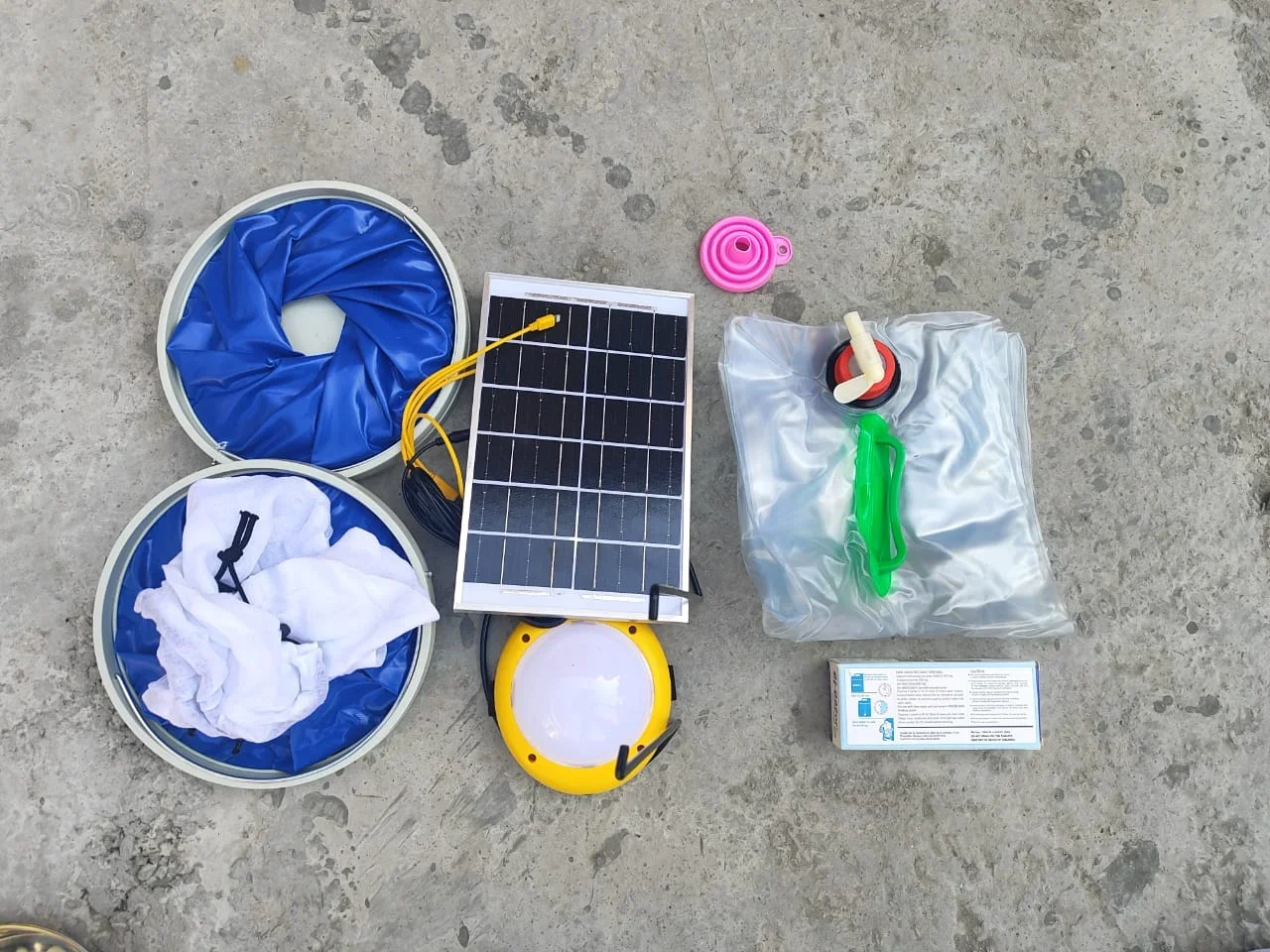
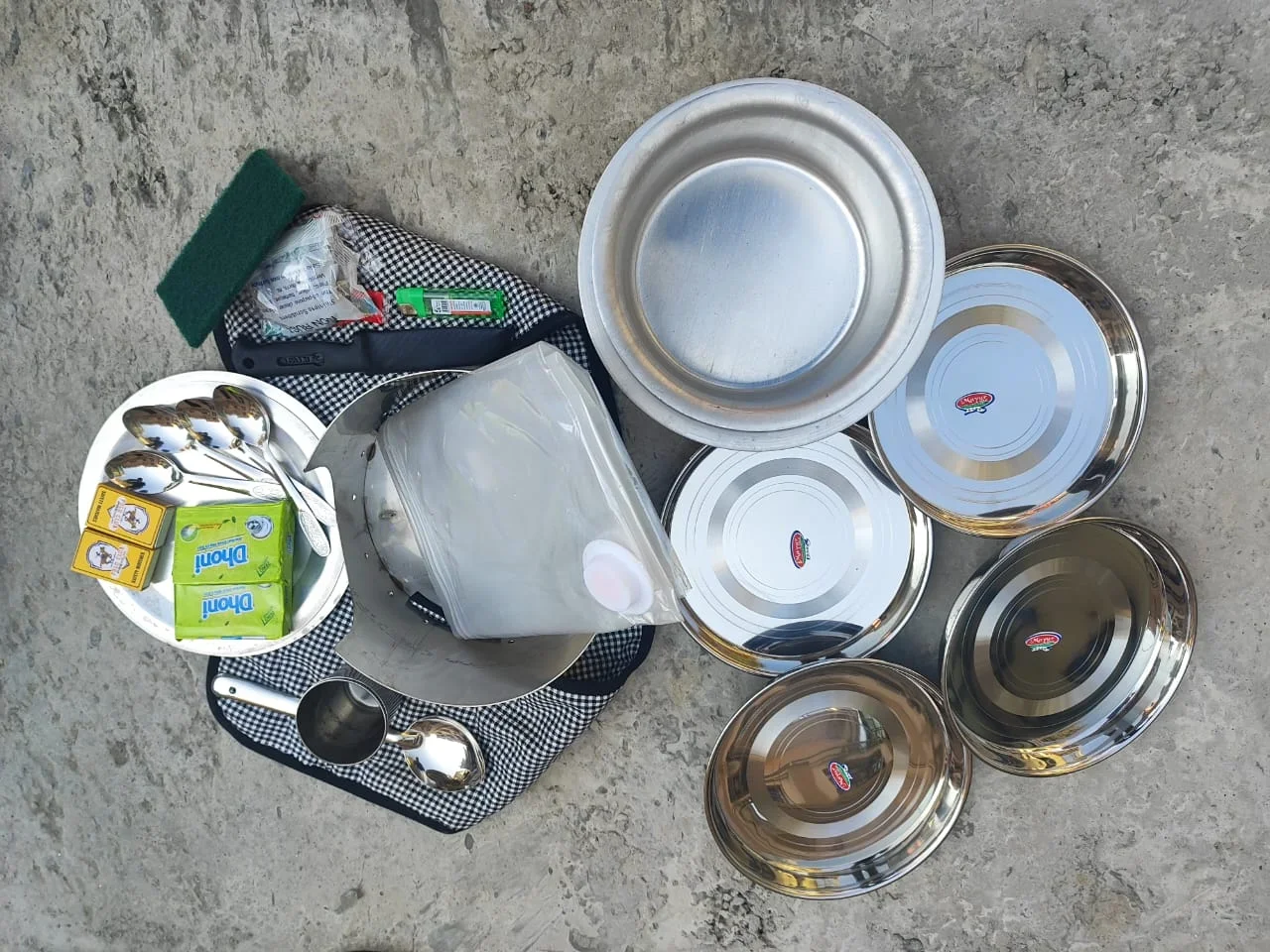
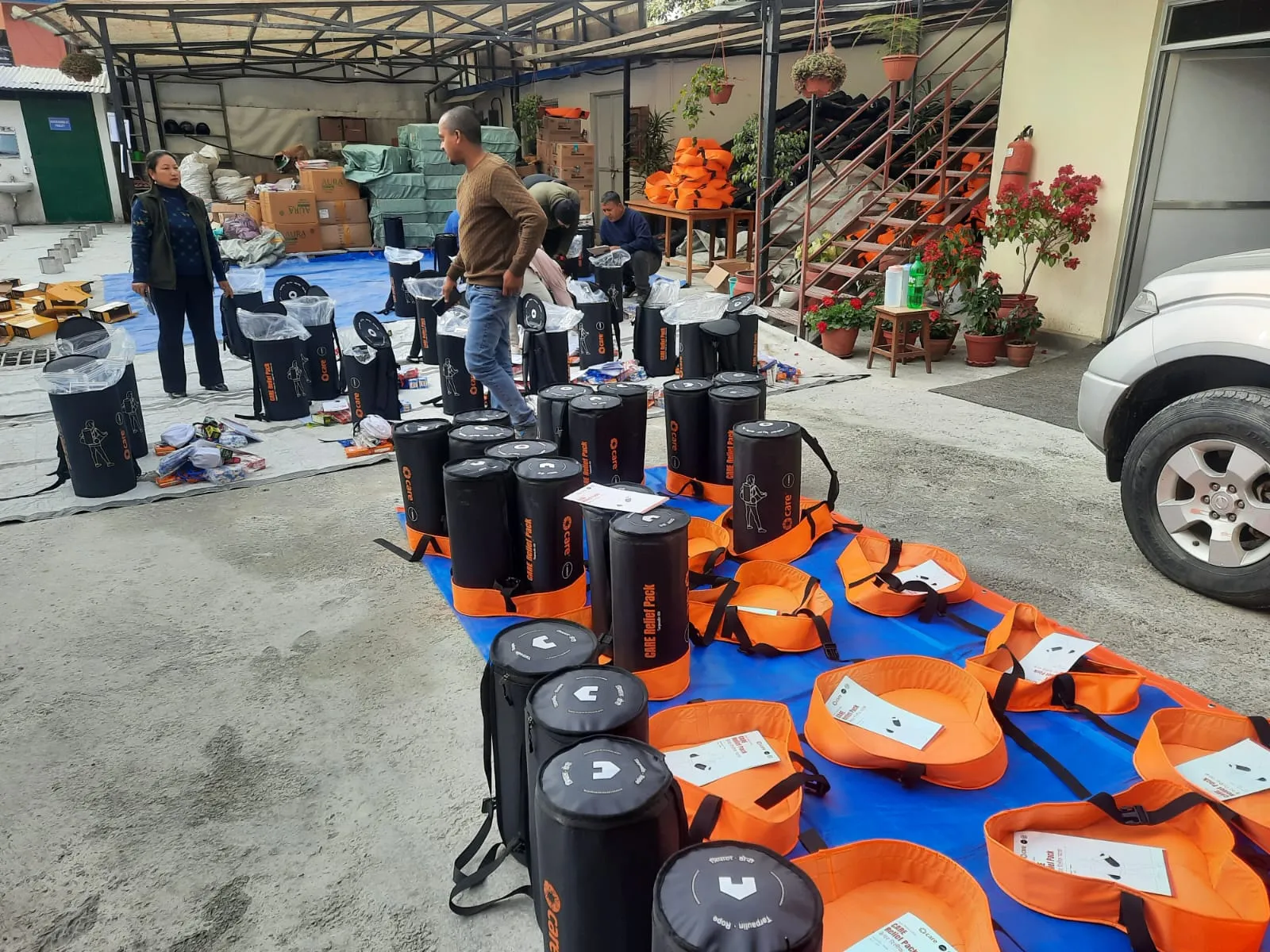
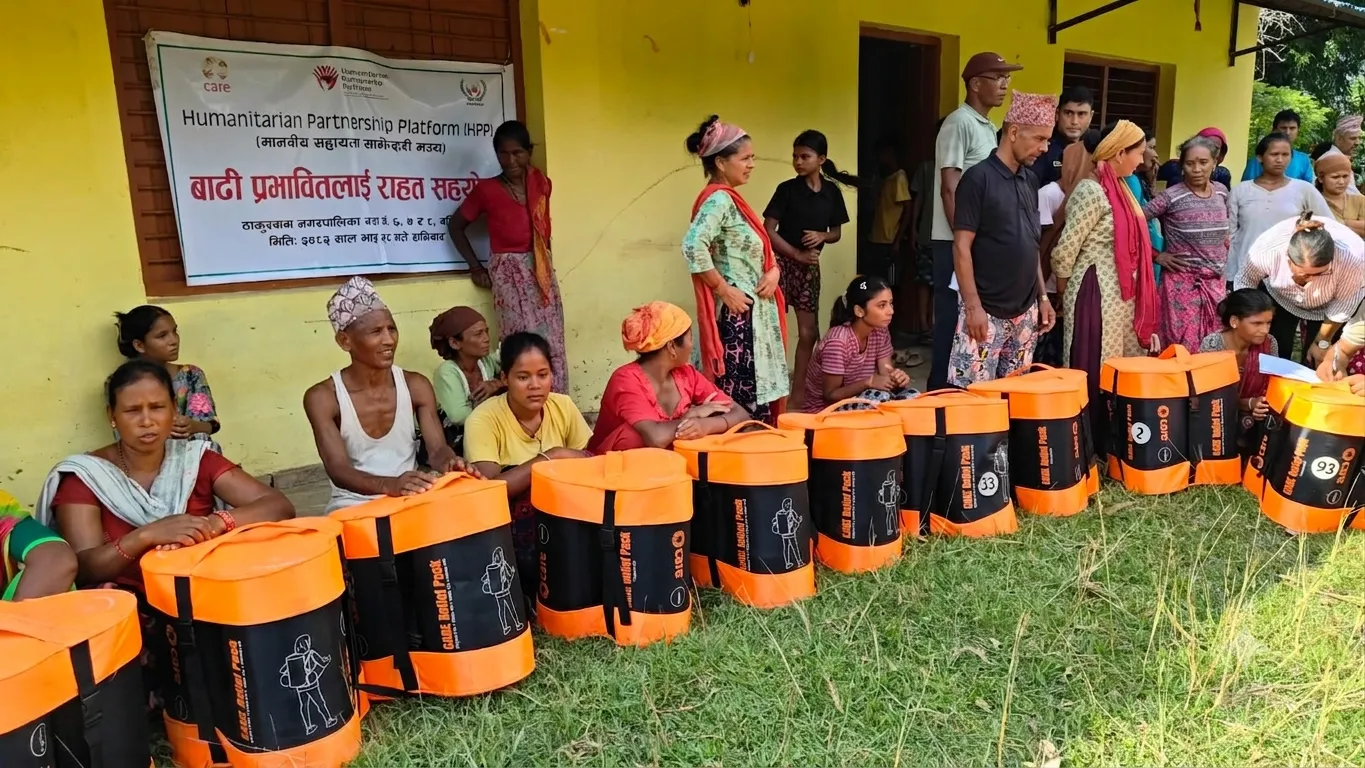
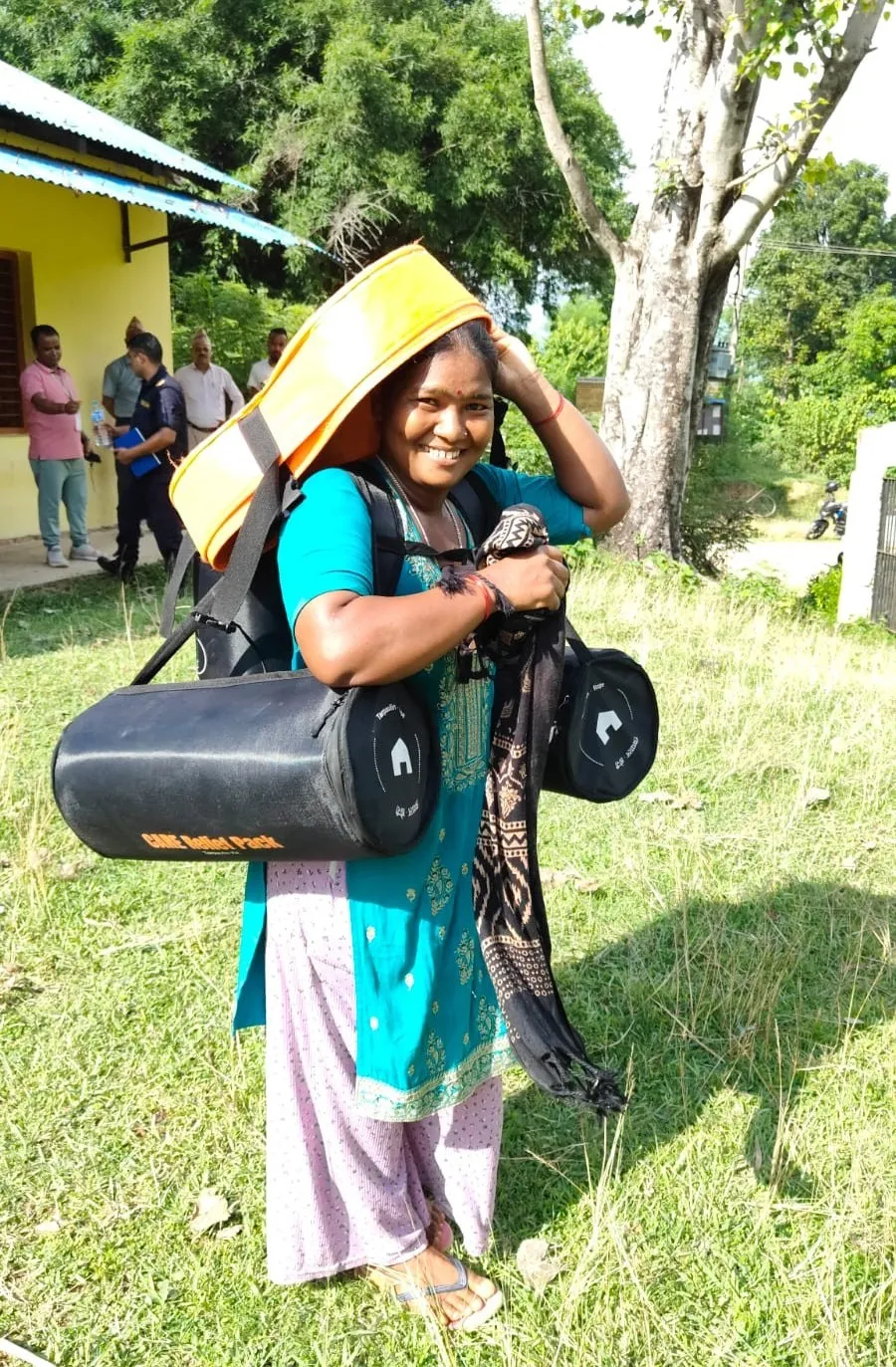
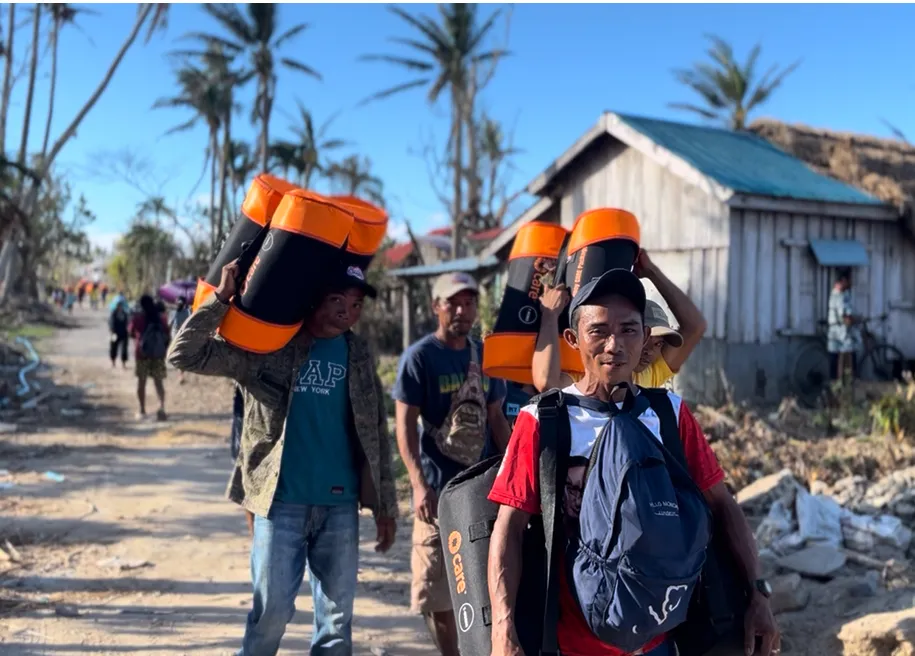
The success in Bardiya shows that a faster, locally led response is entirely possible. This is driven by CARE Nepal’s Humanitarian Partnership Platform (HPP), a community network built on over a decade of grassroots trust. Through this platform, local organizations, community groups, and city officials are able to coordinate delivery seamlessly. By combining this deep local presence with pre-positioned supplies, the system effectively removes the bureaucratic delays that usually stall disaster response.
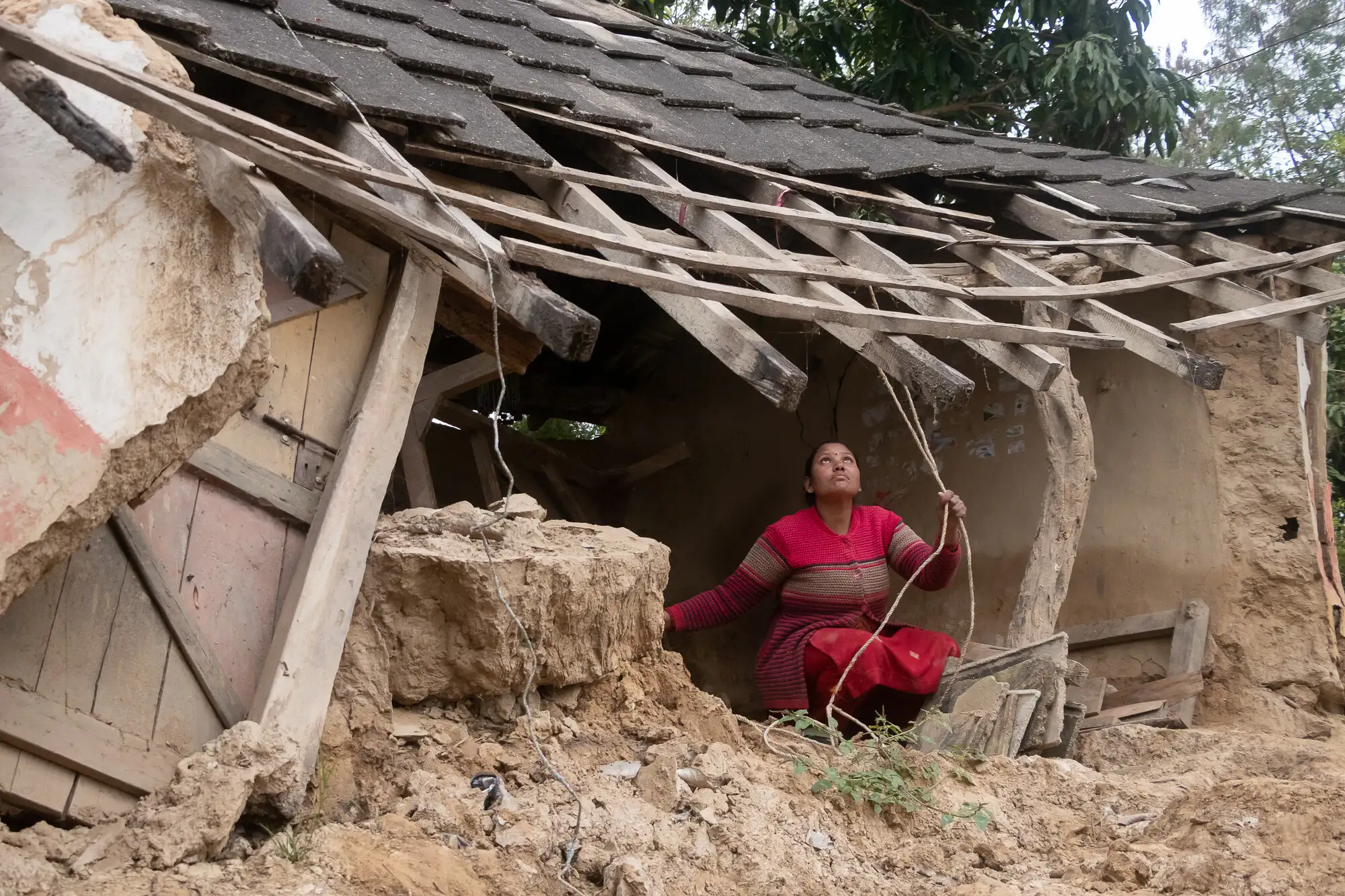
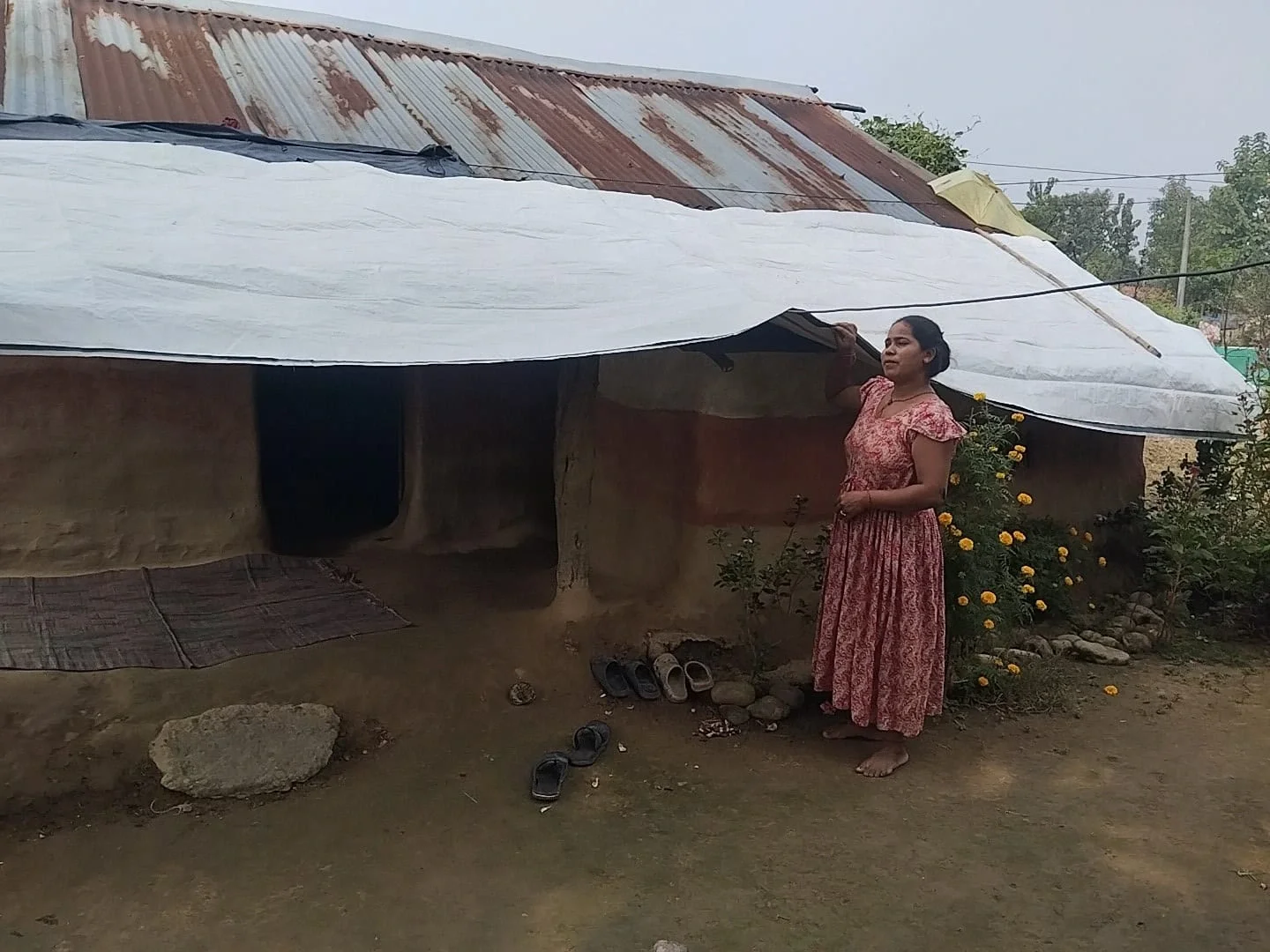
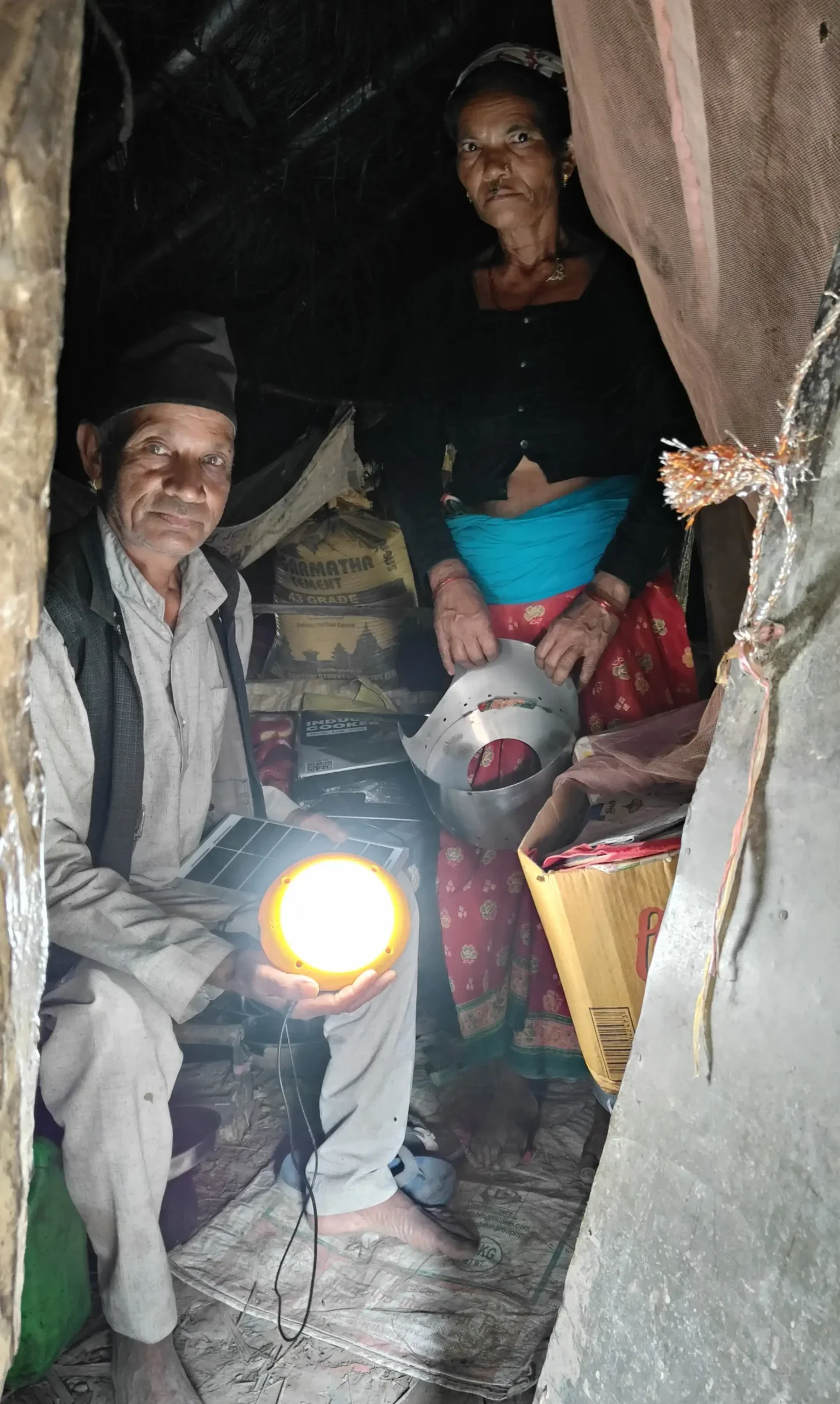
Bardiya proved a simple truth: preparedness saves lives. A total of 121 families found solid ground within 48 hours because these backpacks were sitting on a shelf ready to move.
Expanding this program across Nepal’s high-risk districts with tighter municipal coordination could protect thousands of families during those perilous first days of a crisis.
“In every crisis, families lose more than possessions. They lose stability, safety, and hope,” says Mona Sherpa, CARE Nepal Country Director. “CARE PACKAGE for Emergencies reflects our commitment to delivering faster, more inclusive, and life-saving humanitarian assistance. By investing in preparedness and locally led response systems, we can ensure that families receive the support they need when it matters most.”
About CARE in Nepal: CARE started its operations in Nepal in 1978 and is one of the first international humanitarian organizations to work in the country. During the last four decades, CARE Nepal has been working with the most at-risk communities of Nepal to address the issues of poverty and social injustice, challenge harmful social practices, build capacities and empower livelihoods. Today CARE Nepal works to address systemic and structural causes of poverty and social injustice such as discrimination based on sex, caste, class, ethnicity or geography. CARE supports humanitarian actions to address vulnerabilities from climate change and natural disasters.
In fiscal year 2025, CARE in Nepal reached 1.14 million people, including 53% women and girls, through its thematic priorities on women and girls’ empowerment, health and education rights, green growth and women’s economic resilience, disaster risk reduction, and women and girls leading in emergencies.