

Global health is entering a defining moment. Breakthrough innovations — from new therapies to digital health tools and data-driven models — are moving faster than ever. Yet a fundamental gap remains: too many of these innovations still fail to reach the people who need them most.
The missing link is not science. It is systems.
At the center of this gap is a projected global shortage of ~11 million health workers by 2030. This is often framed as a public health crisis. But it is equally a business and economic crisis. Health systems underpin workforce productivity, supply chain stability, and market growth. When they are under-resourced, communities lose trust, service delivery breaks down, and the very markets that companies seek to serve become harder to reach.
Put simply: innovation cannot deliver lasting value where people cannot trust, reach or rely on the health system.
Health systems as economic infrastructure
Too often, investments in health are viewed as social spending rather than economic infrastructure. Yet evidence increasingly shows that global health investments deliver economic returns. They strengthen workforces, improve productivity, and support more resilient communities and markets.
Bihar, India, tells that story. From 2005 and 2018, a partnership between CARE, the Bill & Melinda Gates Foundation, and the Government of Bihar helped transform one of the country’s most fragile health systems into a more resilient service delivery engine. Average monthly patient visits at public health facilities increased from 39 patients per month to about 10,000 per facility, reflecting a significant rise in utilization and trust in public services.
This transformation was not driven by short-term interventions, but by long-term investment in people and systems. The partnership trained more than 200,000 frontline health workers, strengthened clinical mentoring, and rebuilt community trust in their public health systems.
The results were profound. In 2005, a public health clinic in Bihar might go an entire month seeing fewer patients than would fill a city bus. By 2018, that same clinic was serving more than 250 times as many people — evidence of a health system that communities could increasingly reach, use, and trust. Maternal and childhood mortality also dropped significantly.
There is a clear lesson for the private sector. Functioning health systems are not peripheral to business success. Instead, they are foundational. Without them, companies cannot responsibly reach patients, deliver services, or build the trust needed to run clinical trials, scale innovation, or support long-term market growth.
Shared responsibility, shared investment
No single actor can close this gap alone.
The most effective models we see today are built on shared responsibility across governments, civil society, and the private sector. A 10-year partnership between CARE and GSK, from 2011 to 2021, offers a compelling example. By co-investing in community health systems across nine countries, the partnership contributed to a nearly 25% reduction in maternal mortality in supported communities. More than 12,000 health workers were trained, and millions of people gained access to essential services, including family planning.
At the same time, private-sector engagement — including work with Bangladesh’s garment industry — demonstrated how health programming can be adapted to reach workers in non-traditional settings, extending the initiative’s reach to some of the world’s most at-risk women workers.
Models like this show that health and economic outcomes are not in conflict. Investing in worker health strengthens supply chains that businesses depend on. These are not isolated project outcomes. They point to something larger: when health systems are strengthened, communities, governments, and businesses all benefit.
We also see the power of coalition models. Platforms like the Frontline Health Workers Coalition bring together pharmaceutical companies, NGOs, and governments to align investments and advocacy. These partnerships demonstrate that cross-sector collaboration is not aspirational. It’s already delivering results.
The implication is straightforward: strengthening health systems is a shared responsibility, and it requires shared investment.
The last mile for breakthrough science
Even the most advanced therapies cannot deliver impact without functioning systems to carry them to patients. This is particularly evident in efforts to strengthen maternal and newborn health systems.
In Tanzania, the TAMANI program shows what it takes to build that last mile. Investments in healthcare worker training, infrastructure upgrades, and health management improvements led to a 12.9 percentage point increase in skilled birth attendance — a critical indicator of whether women and newborns can access the care they need at the most vulnerable moment.
This is more than a health outcome. These health gains are providing the foundation for long-term economic benefit. When more mothers and babies receive skilled care at delivery, the impact extends beyond the clinic to stable homes and communities. These stronger health systems improve efficiency and resilience, including during crises, and are the kinds of systemic foundations that social and economic dividends are founded on.
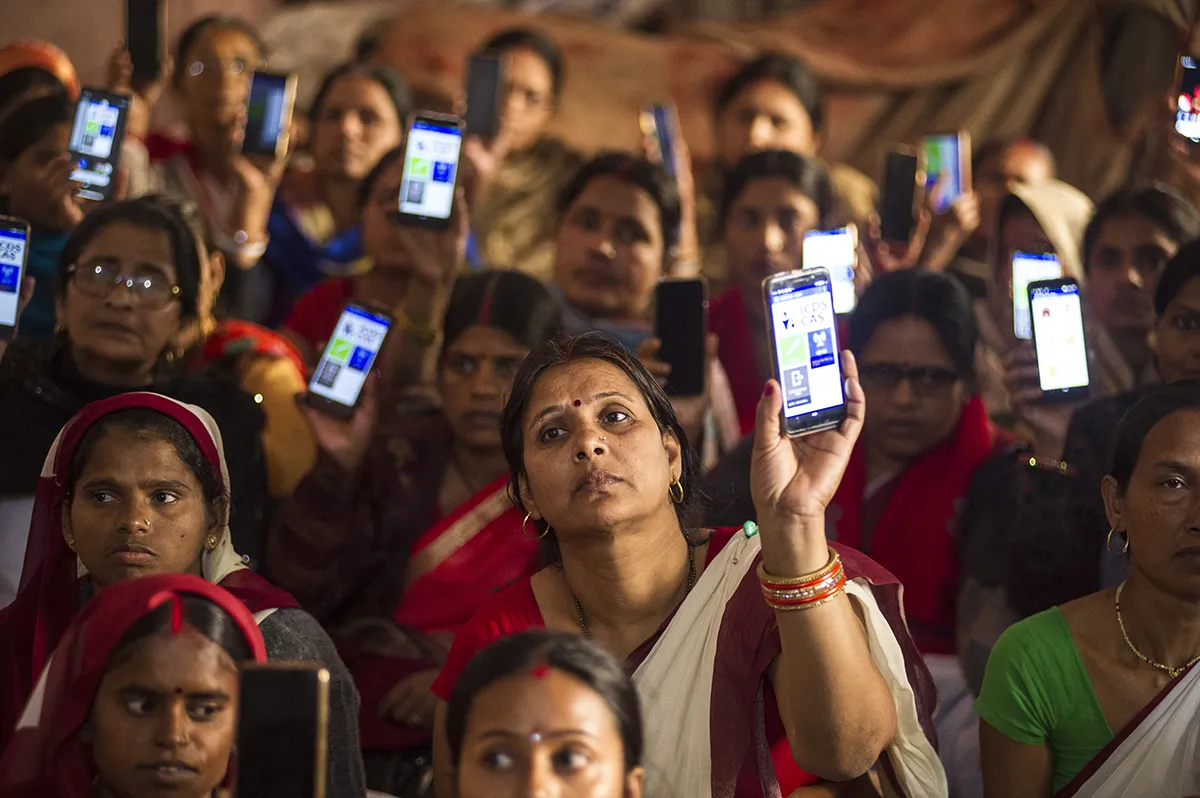
Similarly, innovations in digital workforce tools demonstrate how health systems can evolve to meet communities where they are. In the Philippines, CARE’s HEAL Hub program is using mobile apps to train and support barangay health workers. These frontline volunteers used to go years without formal training. Now, early results show increased confidence among health workers and improved daily presence at local health units: concrete signs that digital tools can strengthen last mile healthcare, including in addressing the growing burden of noncommunicable diseases.
Life science companies need to remember that breakthrough science only delivers value when it reaches patients. And reaching patients requires systems that are staffed, trained, trusted, and resilient.
Building the bridge forward
We are at a turning point in how we think about global health investment. The question is no longer whether health systems matter. It is whether we are willing to invest in them at the scale required.
The path forward is clear:
- First, we must recognize health workforce and system investments as core economic infrastructure, essential to market development and global stability.
- Second, we must scale models of shared investment that align the strengths of governments, NGOs, and the private sector.
- And third, we must strengthen the “last mile” by leveraging digital tools and ensuring that specialty care and advanced treatments are supported by the systems needed to deliver them equally.
The promise of global health innovation will not be measured by what is invented alone. It will be measured by whether people can reach it, trust it, and benefit from it.
That requires more than new products and platforms. It requires long-term investment in frontline workers, clinics, referral systems, community partnerships, and public institutions that make care possible.
Bridges do not build themselves. They require shared commitment, long-term investment, and the humility to strengthen the systems that already serve communities every day.
For companies, governments, and civil society, the path forward is clear: invest not only in innovation but in the people and systems that make innovation reachable.
Because in the end, the true measure of progress is not what we create. It is who we reach.