Bihar Technical Support Program

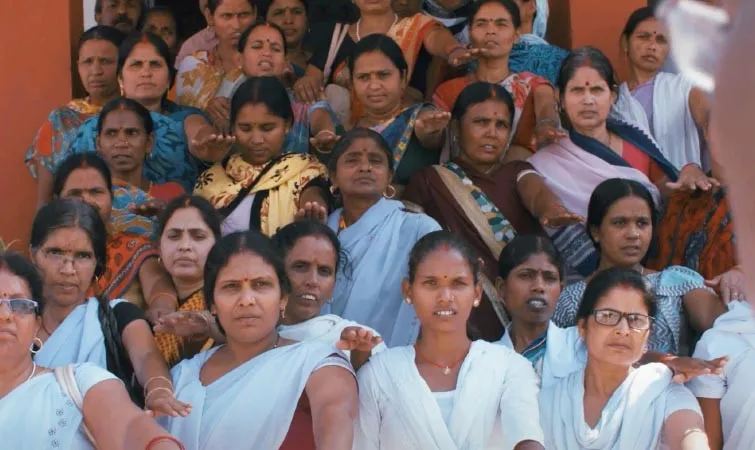
A group shot of women in India

Photo credit: Richard Bright

The Bihar Technical Support Program supported the Health and Social Welfare Departments of the Government of Bihar, India, to reduce maternal, newborn, and child mortality and malnutrition. The program improved immunization rates and the quality of reproductive health services for women and girls.

Background: Maternal and child health in Bihar, India

Bihar is the third-largest state in India, with a population of more than 110 million. Despite recent gains, Bihar faced some of the country’s highest rates of maternal, neonatal, and infant mortality, as well as a high prevalence of malnutrition, stunted growth, and high fertility rates. These outcomes were compounded by extreme poverty, social inequality, and low literacy rates.
Intervention

The program was a partnership between CARE, the Bill & Melinda Gates Foundation, and the Government of Bihar. It covered all 534 blocks of Bihar state across its 38 districts and engaged more than 200,000 frontline health workers. Through this partnership, CARE strengthened the state’s healthcare administration and enhanced public trust in the health system.

Report: Ten Years of Health System Change in Bihar, India

Through a powerful 10-year partnership in Bihar, India, positive maternal and child health outcomes were achieved via working with frontline health workers, especially women. See the impact a decade partnership can lead to in this flagship report.

Read the report

Program achievements

Since 2011, CARE and the Government of Bihar have tested and implemented innovations that transformed health outcomes:

  • Maternal health: Maternal mortality dropped from 261 to 118 per 100,000 live births.
  • Infant survival: Under-5 mortality fell from 64 to 30 per 1,000 live births.
  • Facility use: Trust in public health facilities grew significantly; average monthly patient visits increased from 39 in 2005 to about 10,000 in 2018
  • Nutrition: Stunting among children decreased from 56% to 43%

Reaching every community

Frontline health workers served as the backbone of Bihar’s public health system. Because many families faced barriers to reaching health centers, these workers walked miles each day to provide in-home counseling and basic health services. CARE equipped these women with mobile technology that minimized paperwork and tracked mothers’ and newborns’ health in real time.

A powerful partnership

The Bihar Technical Support Program worked to reduce rates of maternal, newborn, and child mortality and malnutrition, and to improve immunization rates and the quality of reproductive health services statewide.

Watch Video
Meet Manju

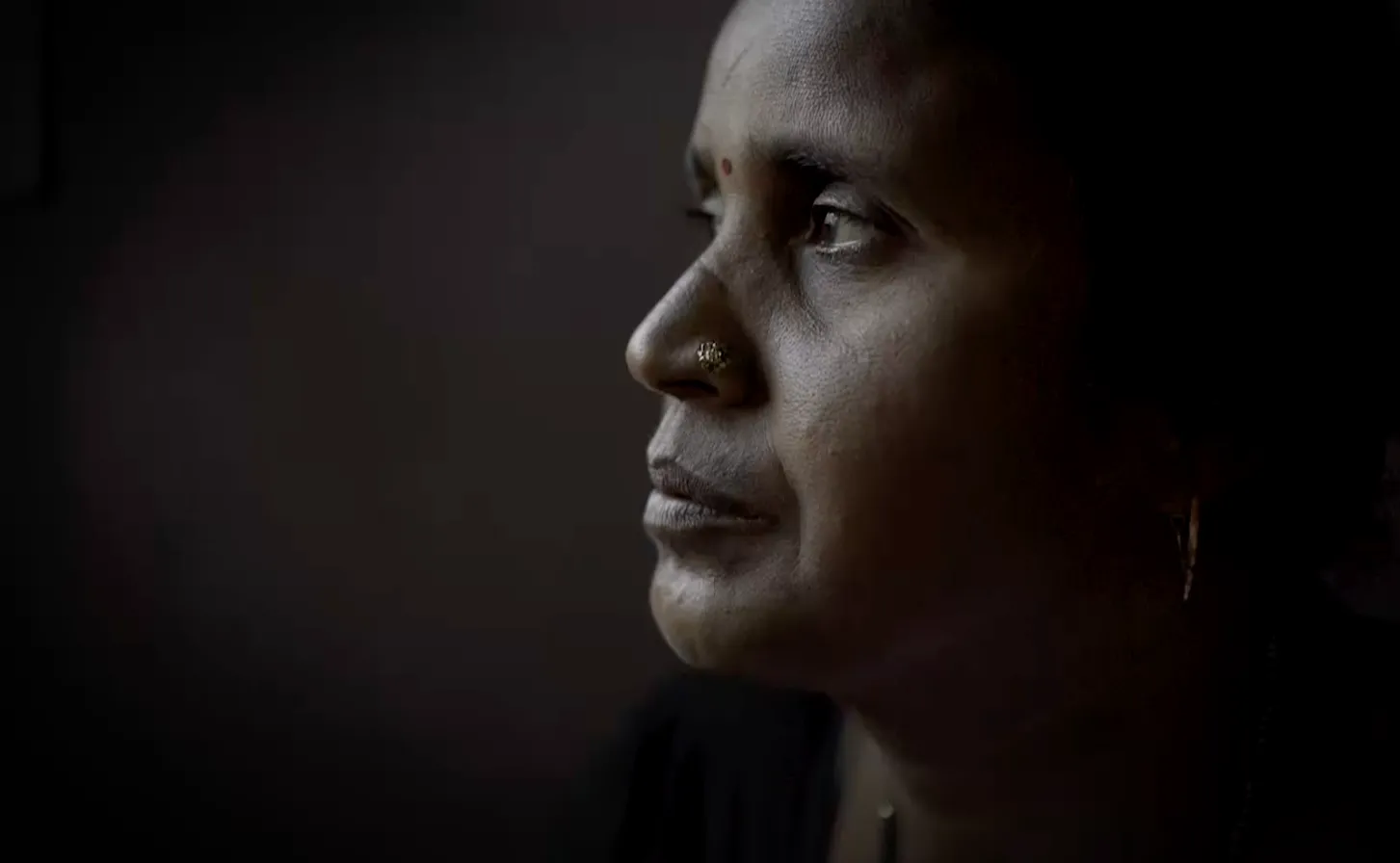
Manju is an ASHA – a frontline health worker working in Bihar. She goes door-to-door, walking miles each day, to provide counseling and basic health services to people in rural communities who would otherwise have no access to care.

Watch Video

Sustaining progress and looking ahead

The program strengthened community- and state-level systems to ensure these health gains would last. Government agencies have now taken full ownership of these interventions. While our direct involvement in this project has ended, the public healthcare system is now more responsive and stable. The evidence-based strategies developed in Bihar, from nurse mentoring to tracking weak newborns, continue to provide a roadmap for health systems worldwide.

Since the program began, more than 16,700 weak newborns have been saved and more than 85,000 accredited social health activists have been trained.
"In the old times there was nothing like this," says Manju Devi, a frontline health care worker working in Bihar.