
About the 2026 earthquakes
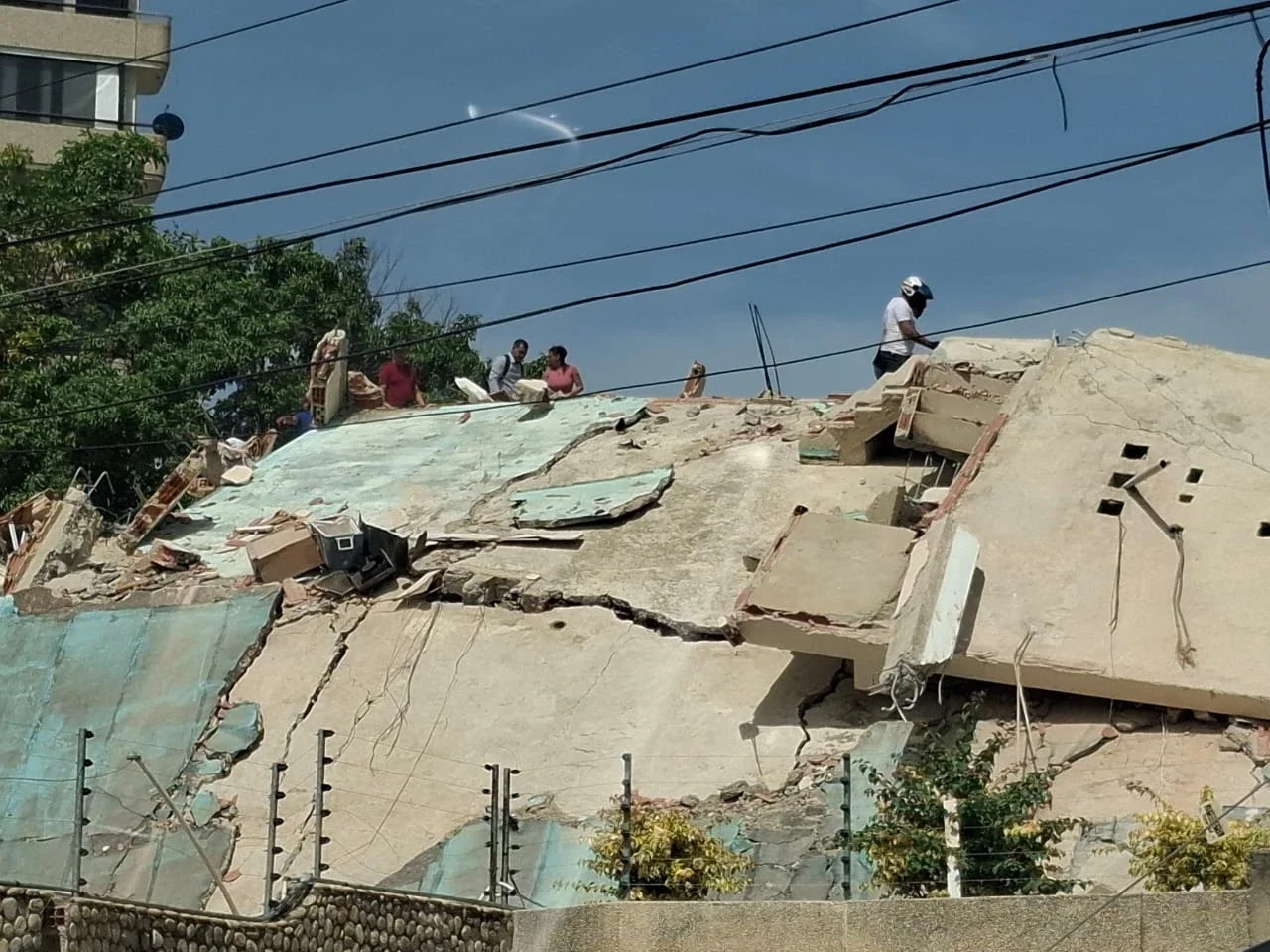
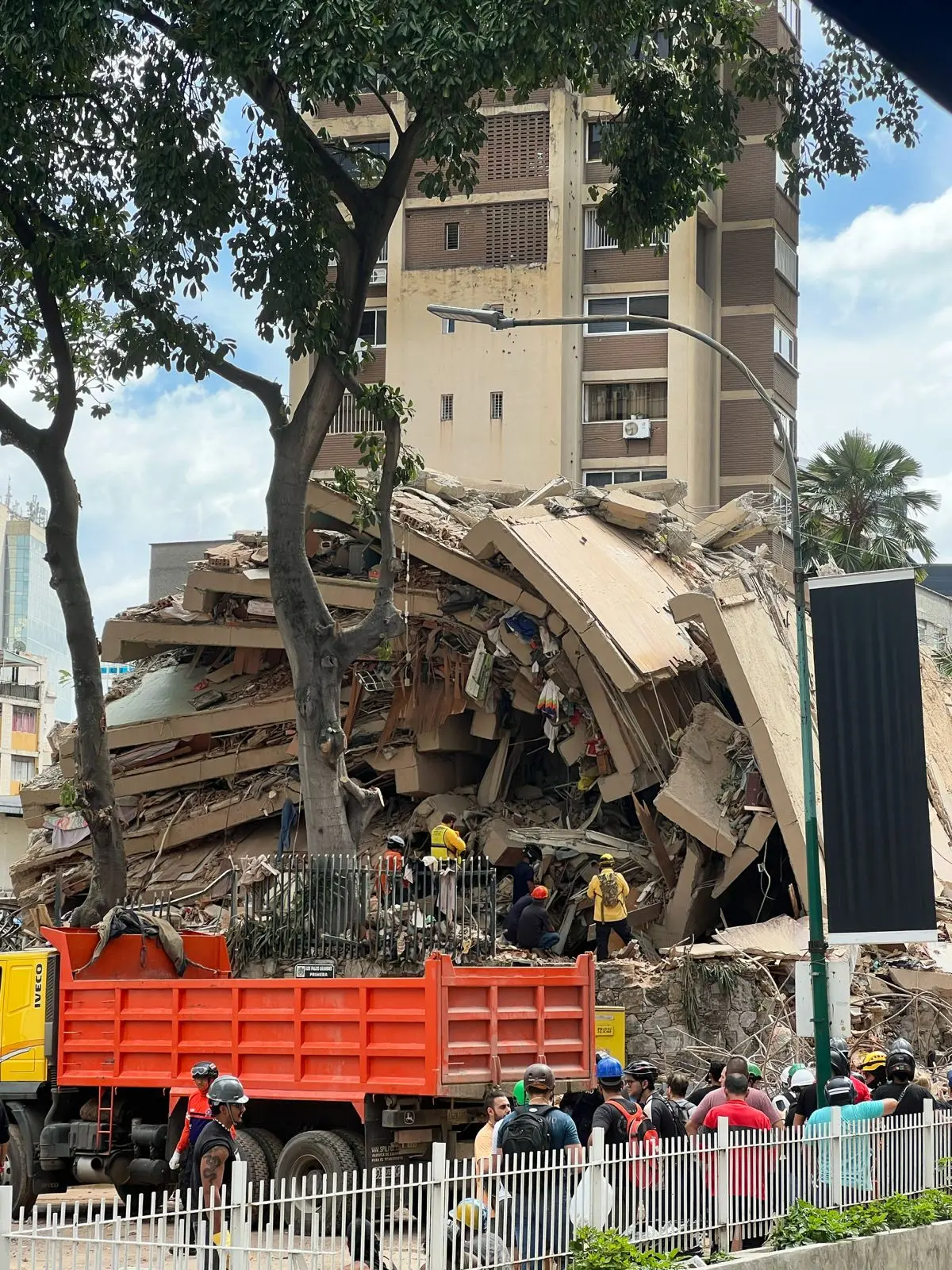
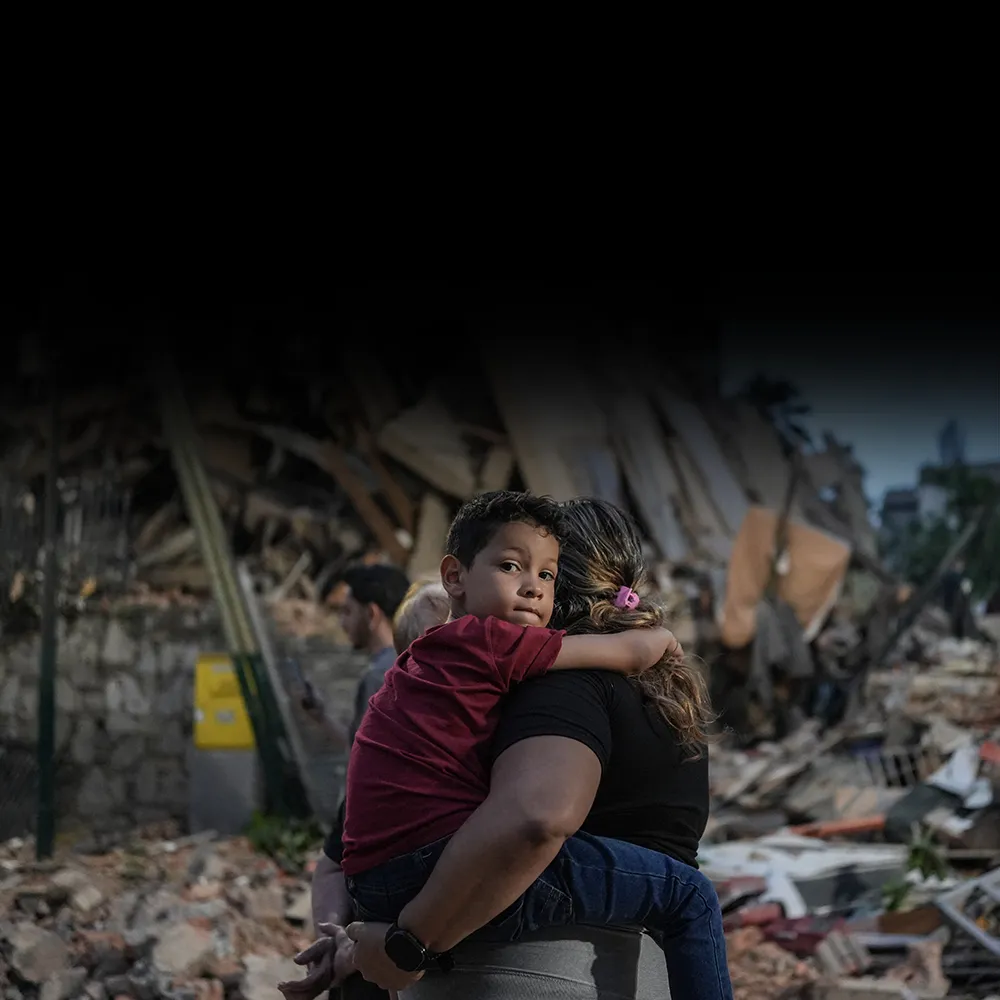
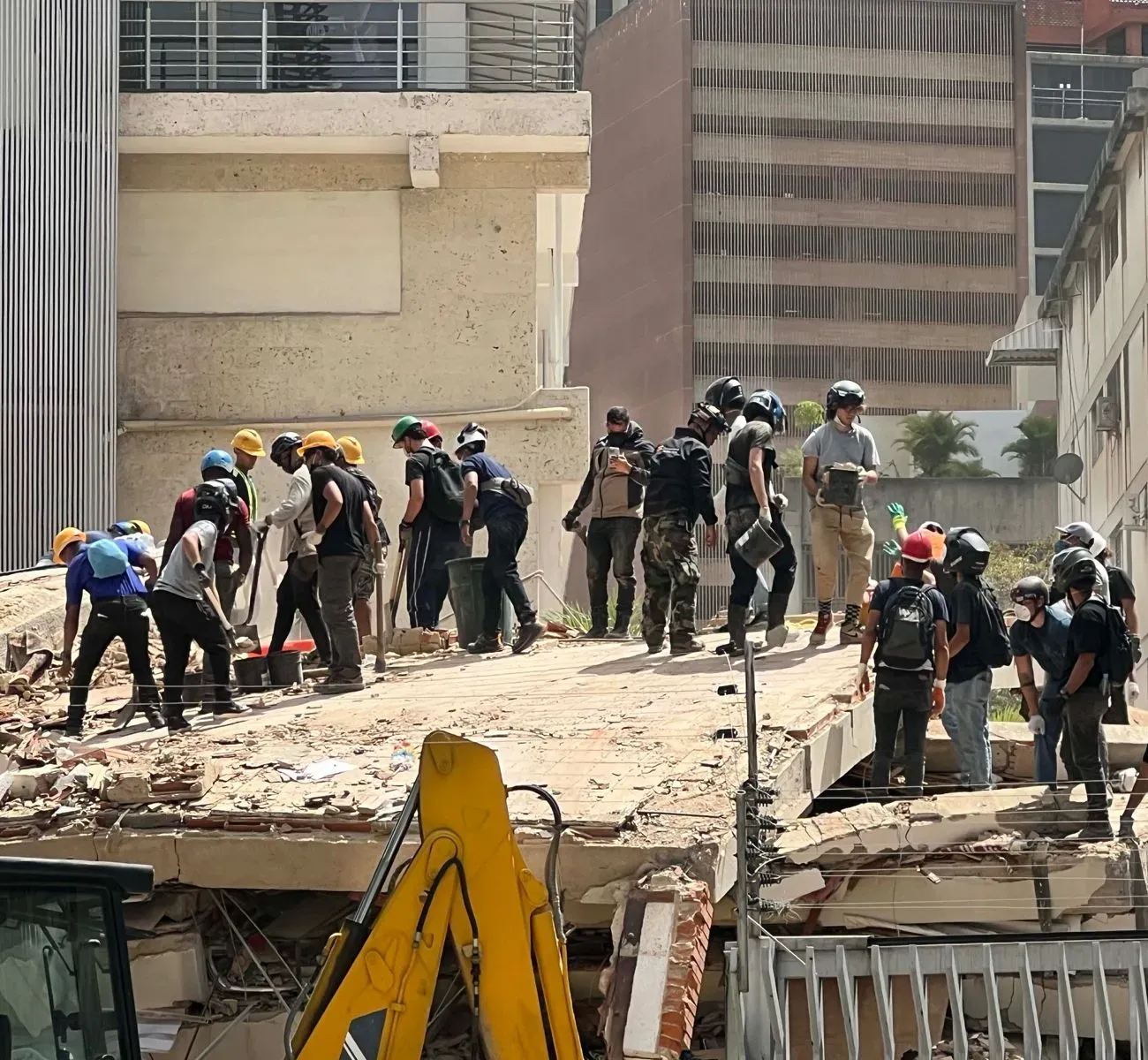
Weeks after the disaster, thousands remain missing under collapsed buildings, and the final toll is expected to rise significantly as rescue teams work through the rubble.
Two back-to-back powerful earthquakes — measuring magnitudes of 7.2 and 7.5 — hit the coastal city of La Guaira, on the outskirts of Caracas. Out of the seven states affected, the greatest concentration of casualties from the disaster is centered in La Guaira State and the Capital District of Caracas.
Why were the earthquakes so destructive?
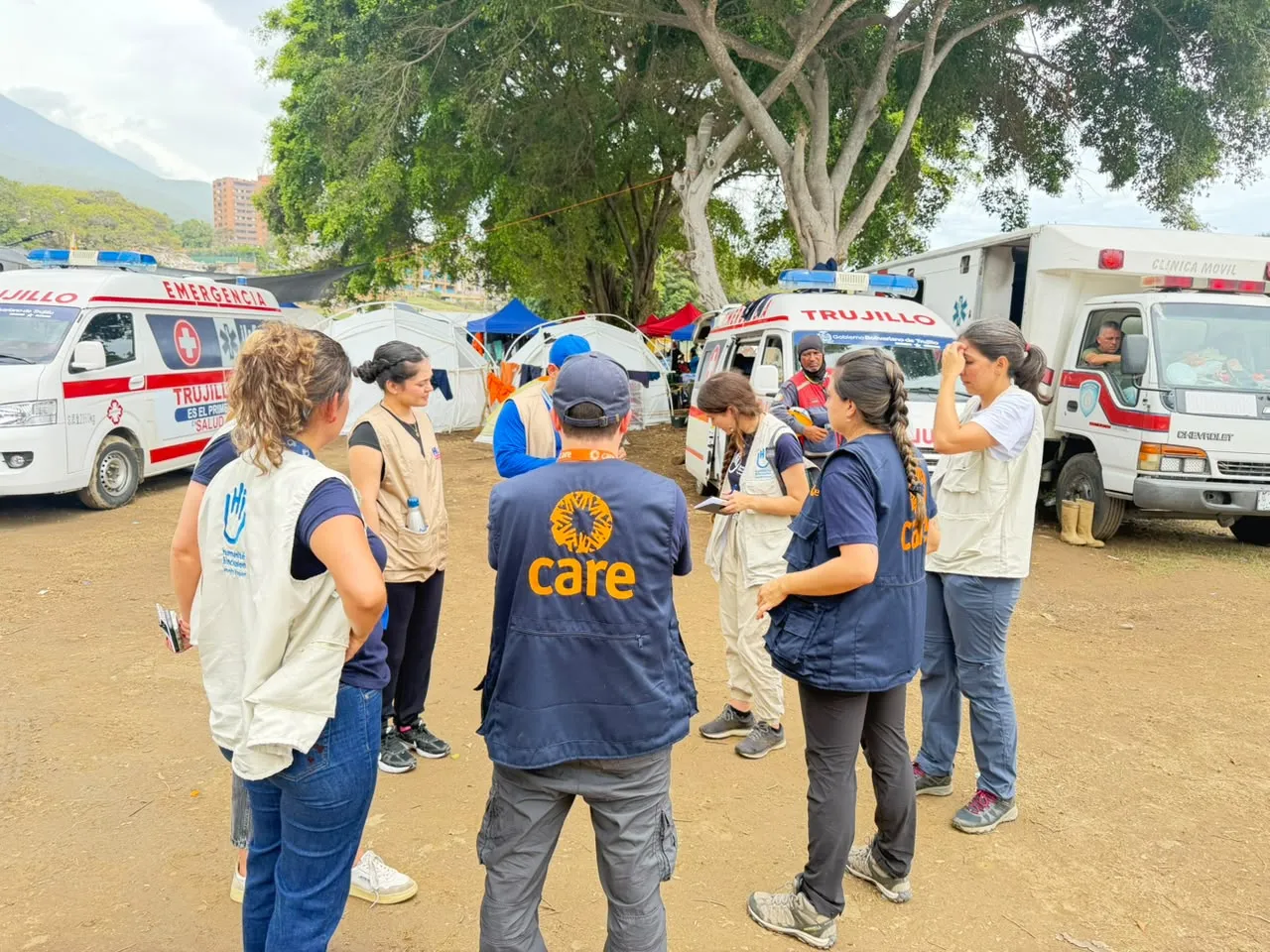
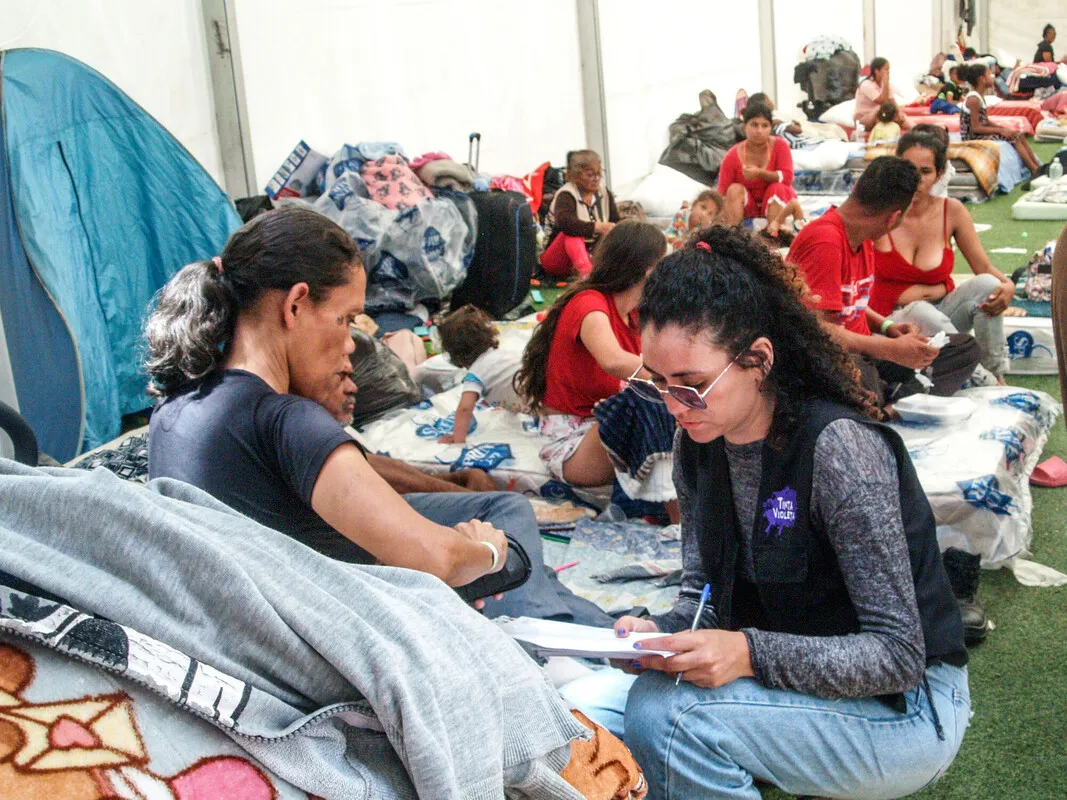
Local infrastructure has completely collapsed, leaving communications severed by widespread power and cell network blackouts. The already-weak health system is completely overwhelmed, with major hospitals sustaining severe structural damage. This has left critical gaps in maternal healthcare, chronic disease management, and outbreak tracking just as the rainy season arrives. The wet weather is drastically increasing the risk of dengue, waterborne diarrheal diseases, and respiratory infections — especially for displaced families squeezed into improvised shelters.
Faced with these compounding threats, families are in immediate need of secure shelter, clean water, medical aid, and basic hygiene kits. This latest catastrophe strikes a nation already grappling with an unprecedented, fifteen-year socioeconomic and political crisis.
For fifteen years, this ongoing turmoil has been marked by hyperinflation, hunger, disease, crime, and a rising mortality rate that has driven mass emigration. This latest disaster severely worsens a humanitarian emergency where more than one in three people lived in poverty before the quakes, leaving millions of at-risk families with few resources to rebuild their lives. With economic losses estimated between 2% and 10% of GDP, urgent funding is critical to prevent an even deeper catastrophe.