
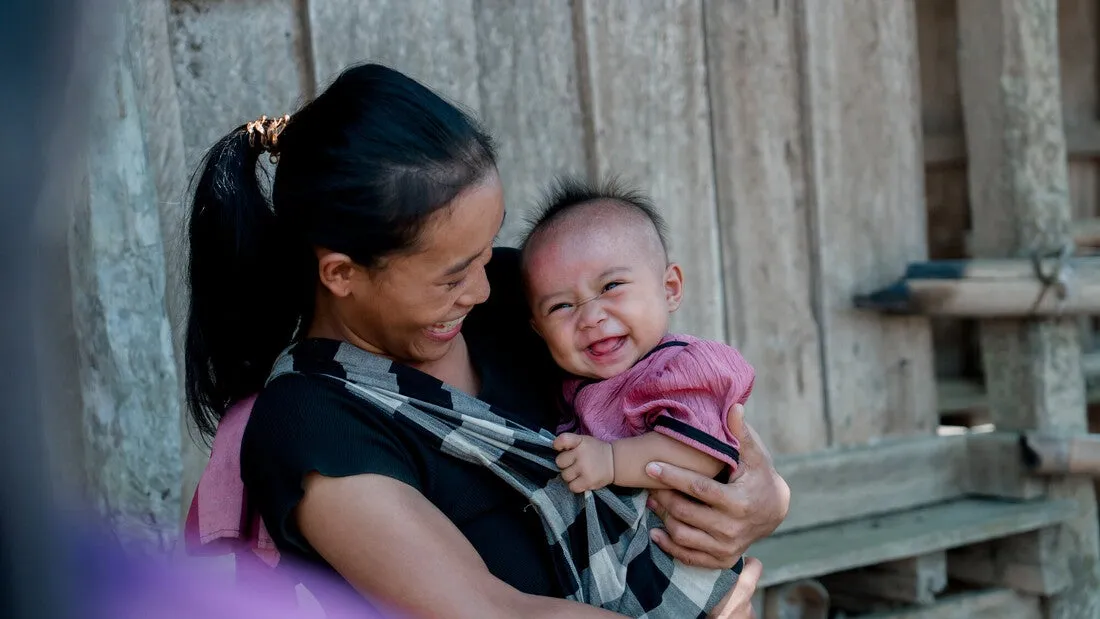
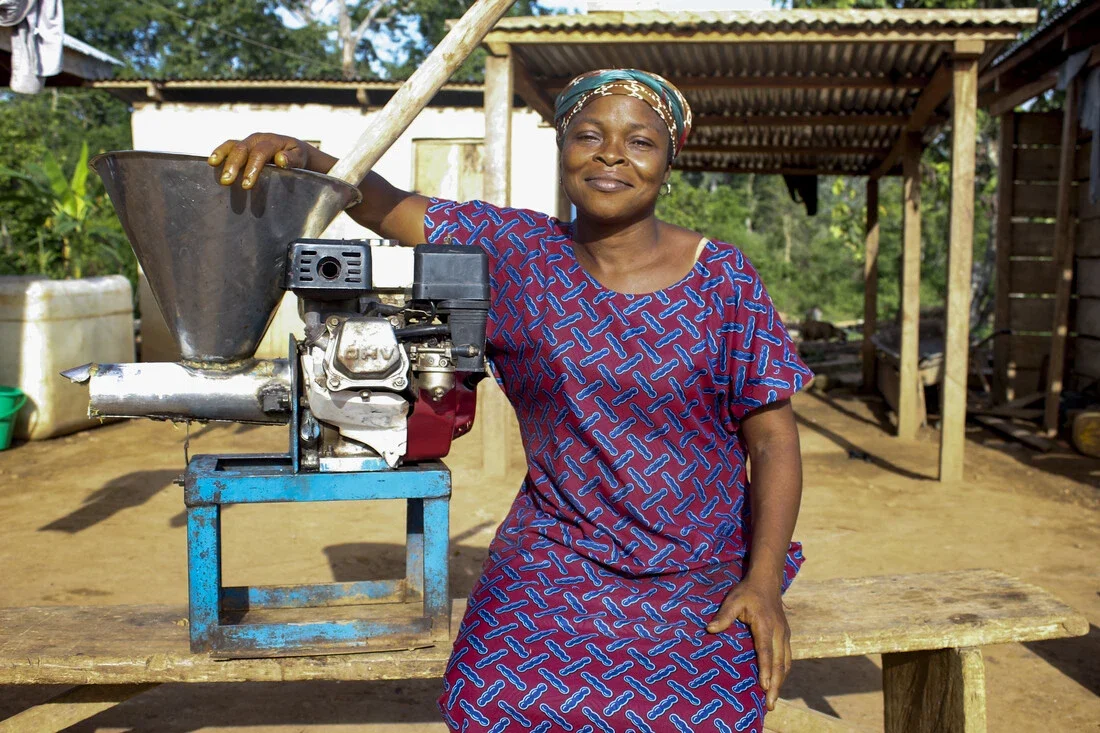
About 700 million women worldwide don’t have a bank or mobile money account (World Bank, 2025). Many run shops, farms, and market stalls. What they lack is a safe place to save, a record lenders can see, reliable access to markets, and loans that fit how their businesses earn and grow.
Rise expands access to CARE savings groups, strengthening women’s ability to save, build assets and act together, then connects savings group members and other entrepreneurs to finance and markets. At the same time, it helps banks, companies, and investors reach customers and enterprises they have often overlooked.
Rise is making three important shifts:
- More women saving, building assets and using the strength of the group to create opportunities together
- More entrepreneurs accessing finance and markets, with stronger businesses and clearer pathways to lenders and buyers
- More financial institutions finding better ways to reach and finance women and small businesses that have traditionally been underserved
CARE helps:
- Build and strengthen savings groups and other member owned groups so women can save, build assets, and act together
- Prepare groups and entrepreneurs for finance and markets, including stronger businesses and better financial records
- Connect entrepreneurs to lenders, buyers, and supply chains across sectors, including through cooperatives and other business groups where useful
- Work with financial institutions to design products and ways of serving customers that fit how women and small businesses actually earn and repay
- Use temporary incentives, guarantees, or other risk sharing where needed so partners can test new customer segments and build models that can continue commercially
The evidence is encouraging
Financial institutions keep their own underwriting, pricing, and credit decisions. And it’s a strong market: across 153 International Finance Corporation (IFC) client institutions in emerging and developing markets, women-owned businesses had lower nonperforming loan rates than the average small business (IFC, 2025).
Savings groups also create a strong foundation. Members save about a third more, more women get loans, and the businesses they run started to earn more (Karlan et al., 2017)