Supporting School Meals in Ghana

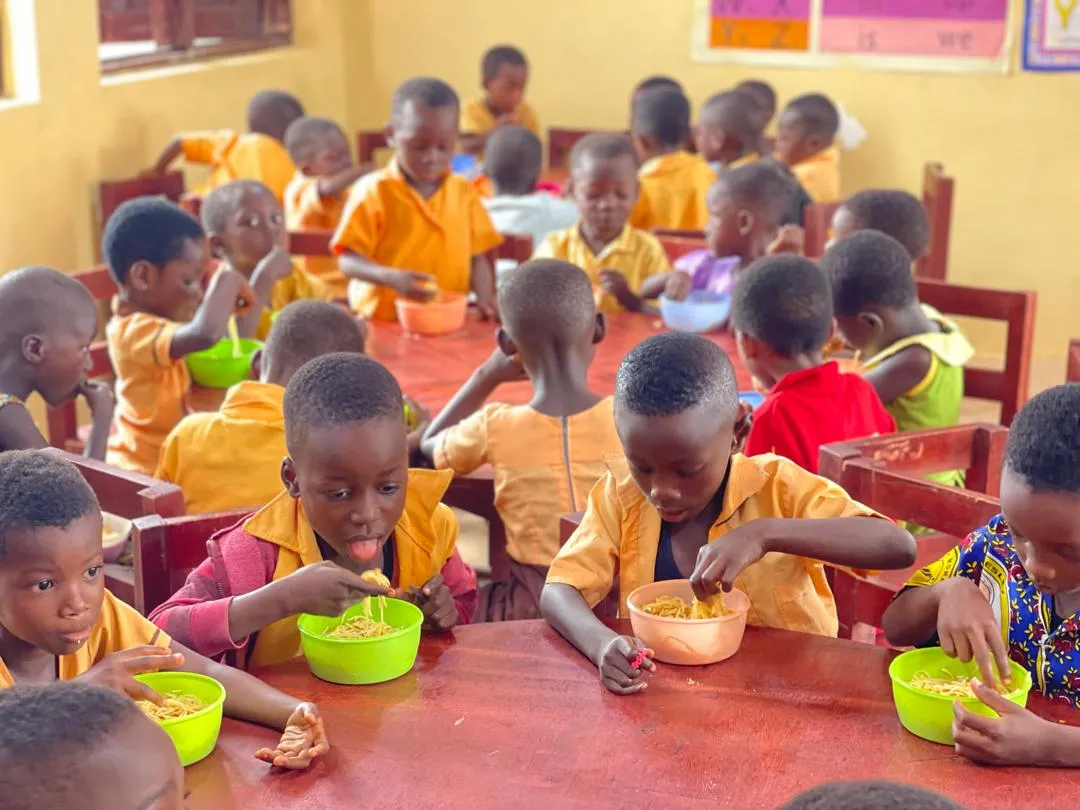
A group of students eat at round tables.

Photo credit: © 2026 Lawrence Larbi Adjei / Gold Coast Nutrition Fund

The Daakye School Meals Program provides nutritious daily meals to 2,000 children in underserved schools in Ghana’s Eastern Region, improving school attendance, nutrition, and learning.

Led by CARE, the project also strengthens local food systems and farmer livelihoods by sourcing food locally, supporting school gardens and farms using regenerative agriculture practices, and creating opportunities for farmers to expand the production of nutritious crops.

Strengthening education in Eastern Ghana through school meals

Ghana’s national school feeding program provides meals to millions of children across the country and plays an important role in supporting children’s access to nutrition and education.

The Daakye School Meals Program builds on those efforts in underserved schools in Ghana’s Eastern Region, where poverty, child labor, and poor nutrition continue to affect children’s ability to attend school, learn, and grow.

By improving access to reliable, nutritious school meals while strengthening the systems around them, Daakye aims to support children’s well-being and help make school feeding more effective and sustainable at the community level.

How the Daakye School Meals Program works

Implemented by CARE Ghana in partnership with Gold Coast Nutrition Fund, Daakye provides nutritious daily meals to approximately 2,000 students across three districts in Eastern Ghana.

The project also works to strengthen the systems that make safe and nutritious school meals possible. This includes improving food safety, handwashing practices, strengthening school accountability mechanisms through CARE’s Community Score Card approach, supporting school gardens, and encouraging regenerative agriculture practices.

Daakye also sources food locally to help create markets for farmers and works with government partners to generate evidence that can inform improvements to Ghana’s national school feeding program.
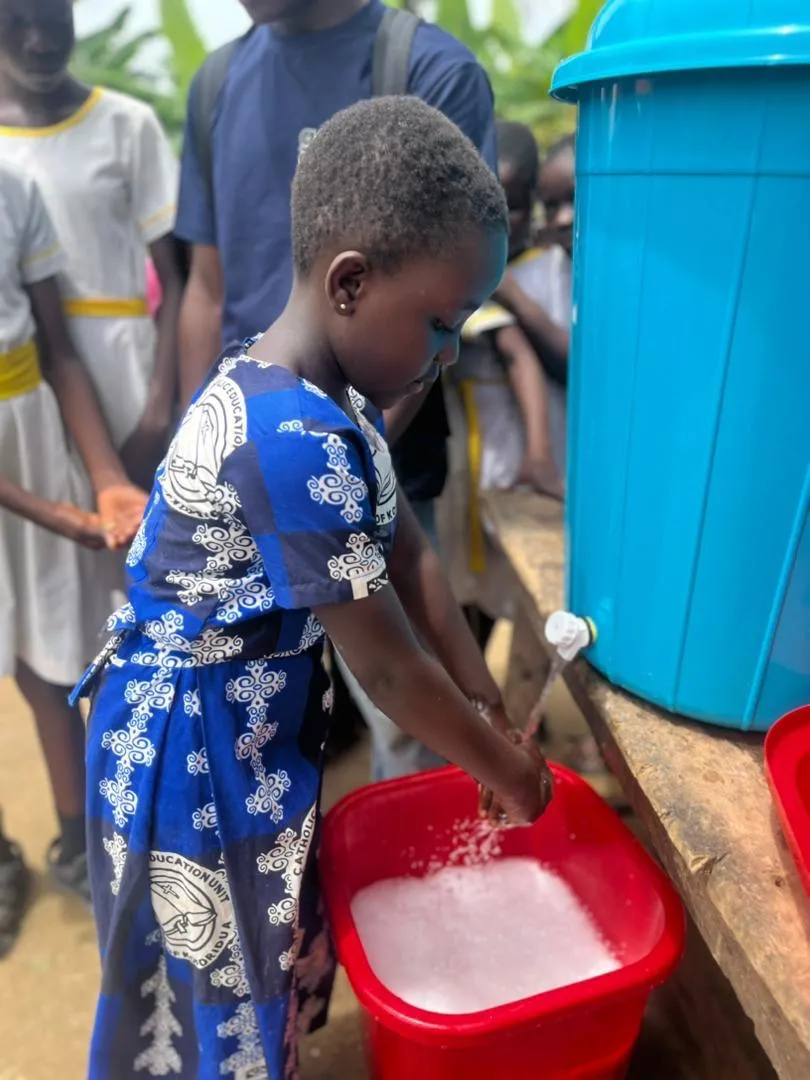
Owuram RC pupils practicing hand washing before eating meals. Photo credit: © 2026 Lawrence Larbi Adjei / Gold Coast Nutrition Fund
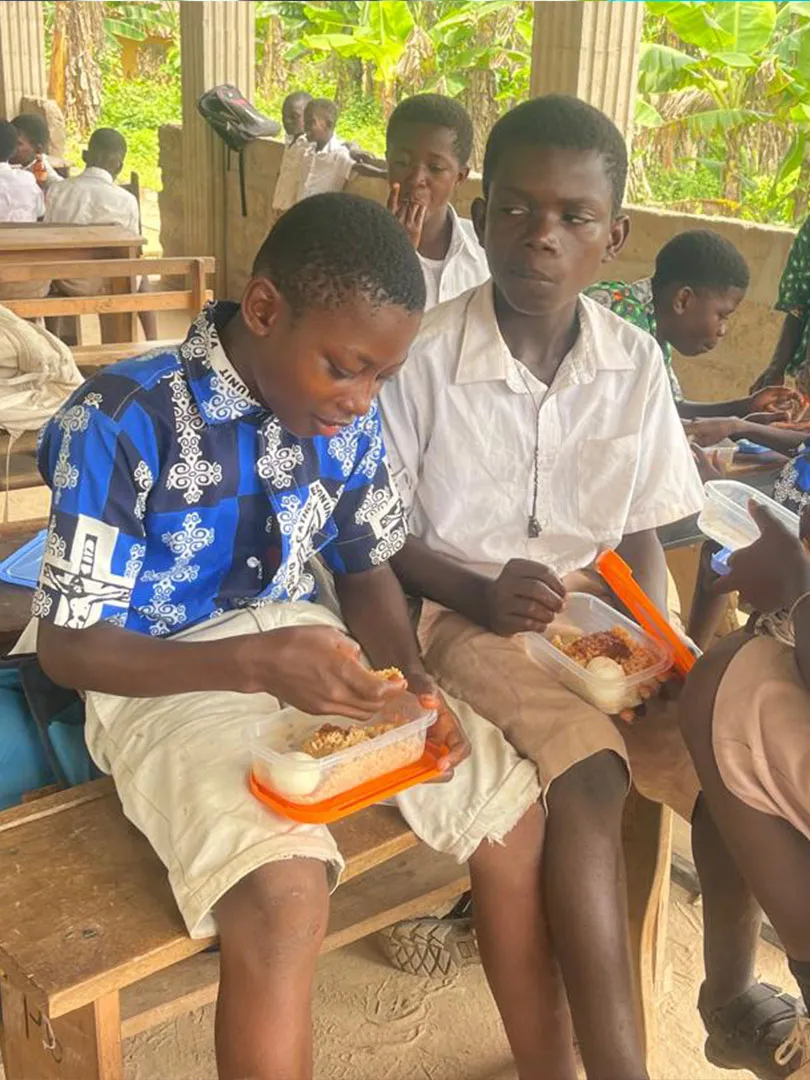
Owuram RC pupils enjoying their lunch. Photo credit: © 2026 Lawrence Larbi Adjei / Gold Coast Nutrition Fund

Program achievements and impacts

Within its first three months, the Daakye School Meals Program saw increases in school attendance, improvements in food safety, and more nutritious and diverse school meals.

School communities are also helping establish school gardens that can contribute fresh meals while giving students, families, and farmers opportunities to learn about regenerative agriculture.

School attendance increases

Attendance rose across all grade levels between baseline and June 2026:

72%

of kindergarten students attended school, up from 56%

82%

of Basic 1-6 students attended school, up from 55%

86%

of Junior High School students attended school, up from 69%

Food safety improved

By June 2026:

100%

of schools had water and detergent available in school kitchens, up from 67%

100%

of schools provided safe drinking water to students, up from 67%

School meals became more nutritious

Meals became more nutritious and diverse, with greater provision of protein-rich foods and vitamin-rich vegetables:

100%

of meals include protein-rich foods, up from 17%

71%

of meals include green leafy vegetables, up from 33%

43%

of meals include vitamin A-rich vegetables, up from 33%

29%

of meals include fruit, up from 0%

How does the Daakye School Meals Program help students and farmers?

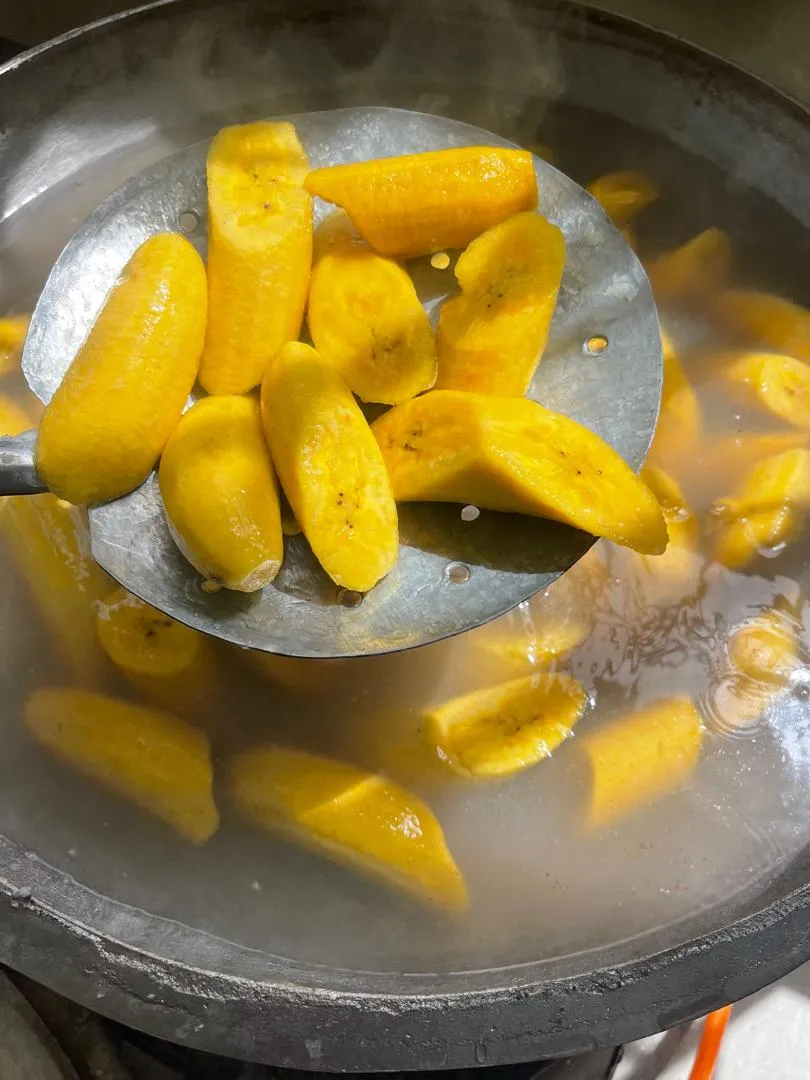
Daakye sources food locally, supporting farmers to expand the production of nutritious crops using regenerative agriculture practices. This approach reduces the carbon footprint for school meals and strengthens farmers’ resilience to climate shocks. We are ensuring school meals are good for children, and also for the environment.

Daakye provides meals rich in protein and vitamins, ensuring children have access to nutrients they are not consuming regularly at home. By enforcing hygienic kitchens and handwashing with soap through community monitoring, Daakye ensures children remain healthy and fully benefit from the nutrients provided by school meals. As a result, Daakye has dramatically improved school attendance.

By connecting schools, farmers, communities, and governments, CARE strengthens locally led school feeding systems that can support children’s nutrition and education while creating opportunities for local producers.

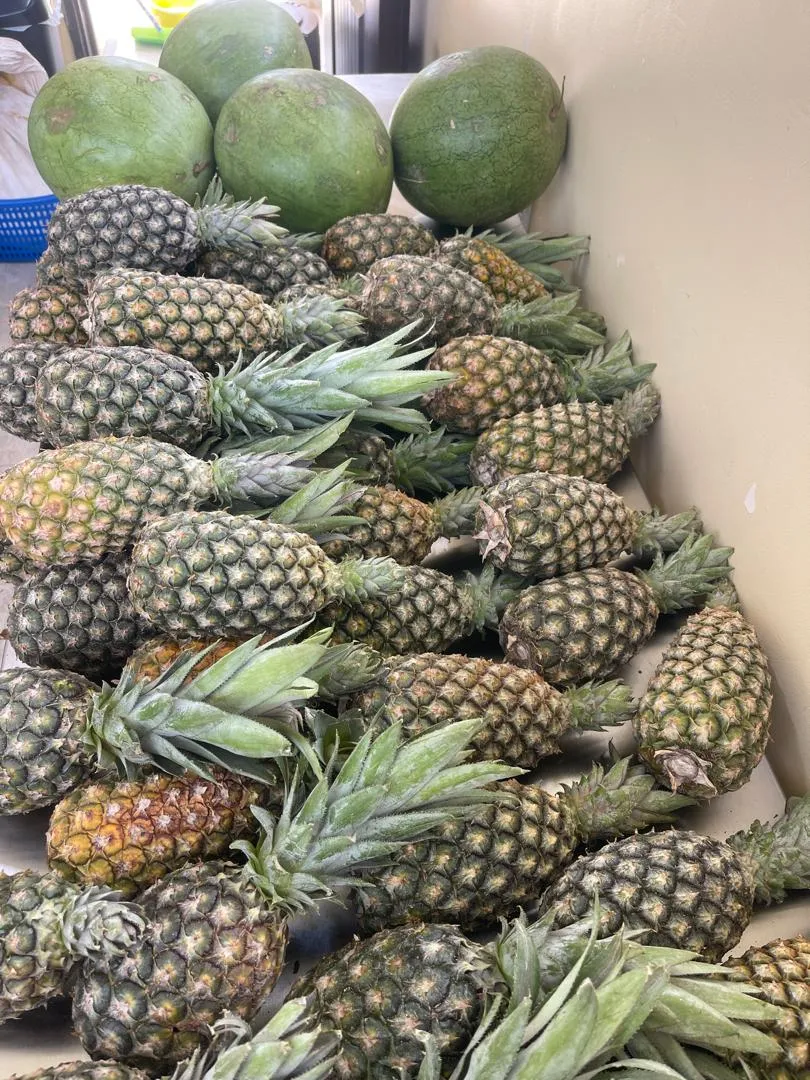
Fresh fruits supplied for students under the Daakye School Meals Program. Photo credit: © 2026 Lawrence Larbi Adjei / Gold Coast Nutrition Fund

Highlighted resources

Daakye School Meals Program Results Snapshot

A 2-page results snapshot showing project achievements from April-June 2026.

Read the 2-pager