Inside the CARE PACKAGE®: One advocate's journey through 80 years of CARE

By Becca Mountain July 16, 2026

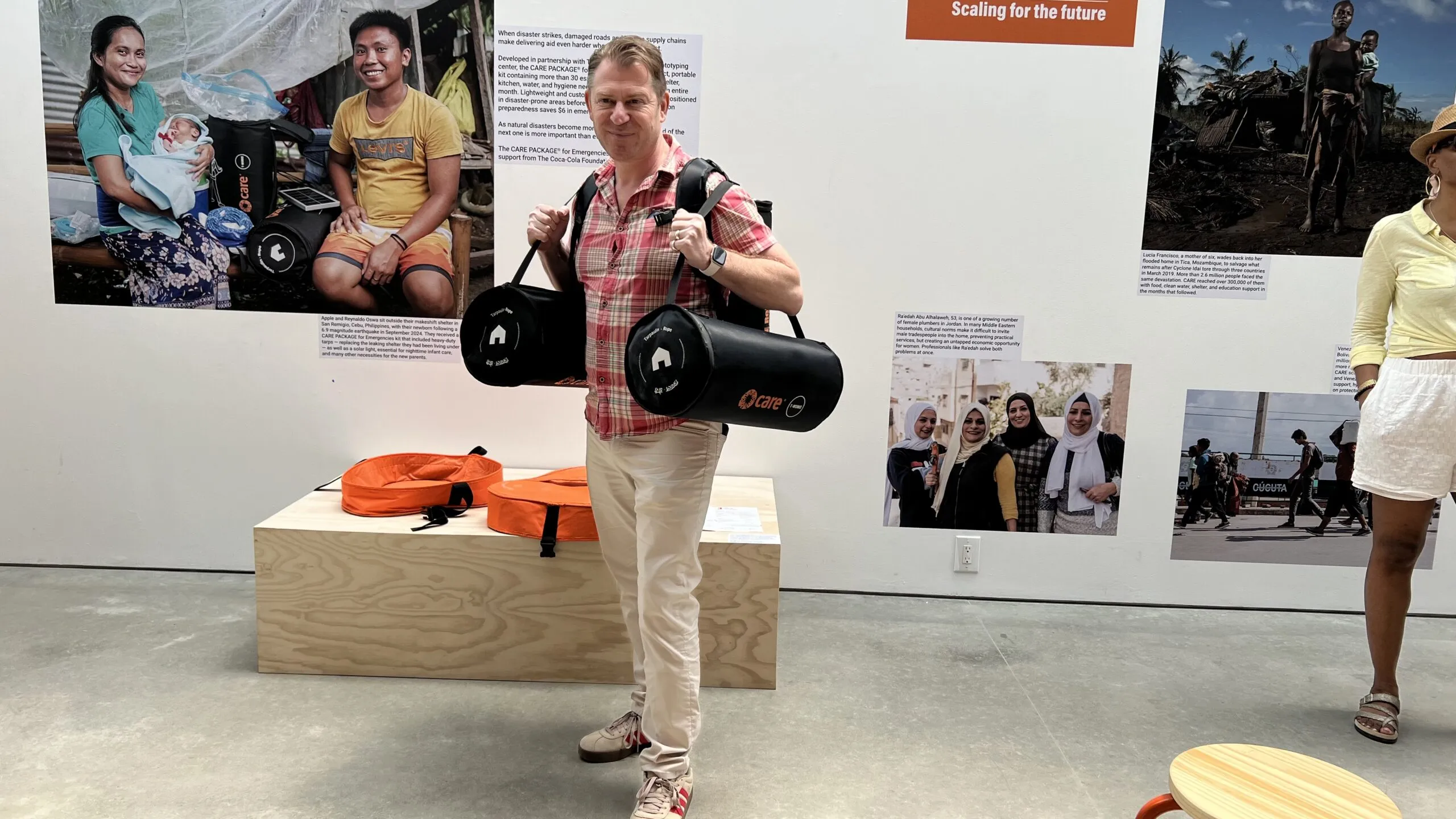
A man standing with bags on each shoulder.

Nick Hetherington, a longtime advocate, at the CARE pop-up event in New York City. Photo: CARE

At CARE's New York City pop-up experience, longtime advocate Nick Hetherington discovered a personal connection to the organization's history and a renewed appreciation for the power of humanitarian support.

When Nick Hetherington walked into CARE’s “It’s What’s Inside That Counts” pop-up experience in New York City, he expected to learn more about the organization’s history and see the new CARE PACKAGE® for Emergencies kits in person.

Instead, he found himself thinking about family, community, and the stories that connect people across generations and continents.

A longtime CARE Advocate and New York state organizer, Nick connected with CARE in 2022 through the LaGuardia Humanitarian Initiative. In March of that year, he attended his first CARE on Capitol Hill event: two days of intense advocacy that give U.S. citizens the opportunity to speak with their legislators on critical issues related to CARE’s humanitarian, development, and crisis response work around the world.

Since then, he has looked for opportunities to deepen his understanding of CARE’s work and share its impact with others. “I am always looking to deepen my understanding of the work CARE does and its impact,” he said.
A Family Connection to the History of the CARE PACKAGE

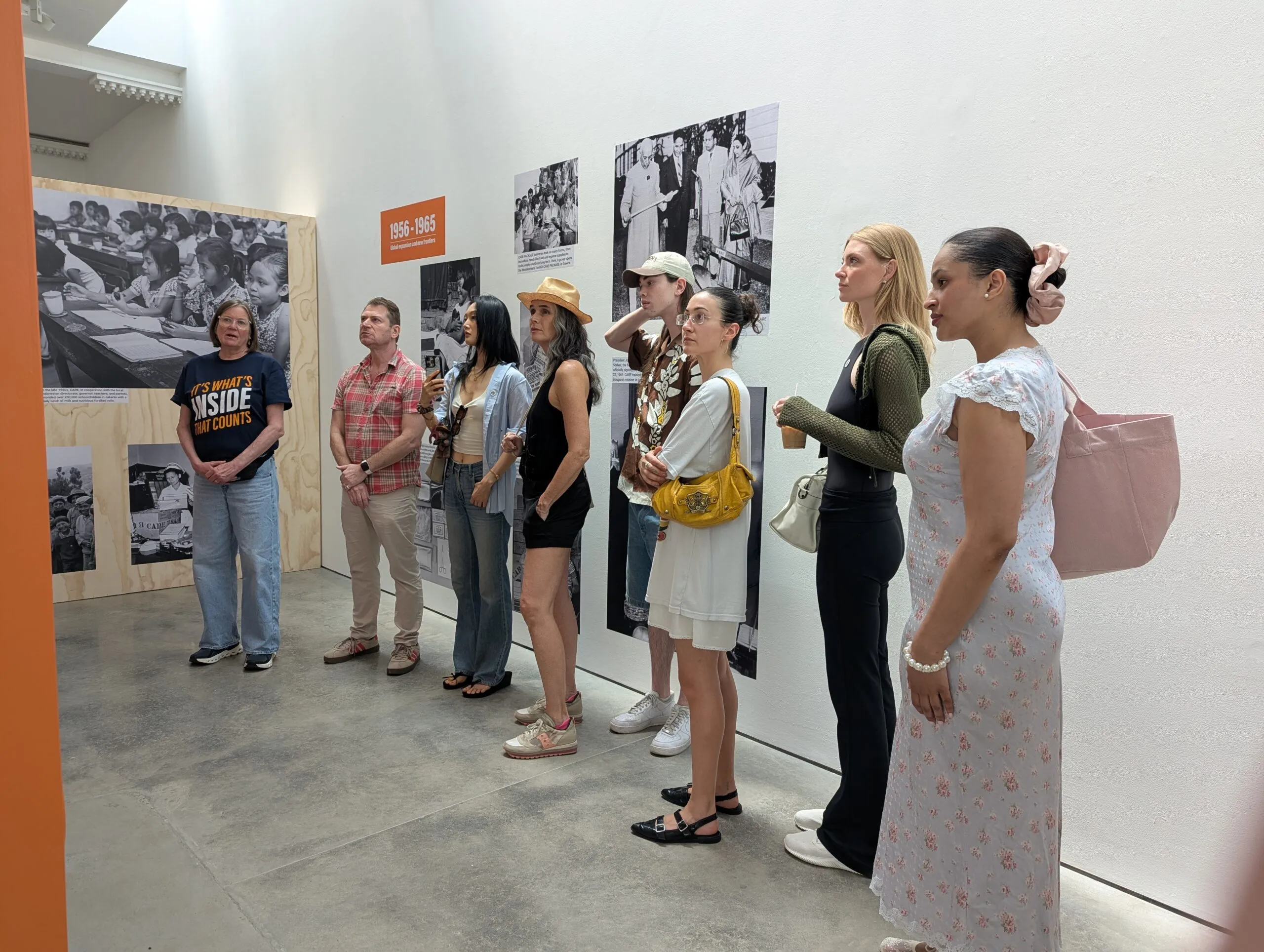
A group of people standing in a museum, reading exhibit.
CARE's Mary Kate Wilson (far left) walking Nick and other visitors through CARE's history. Photo: CARE

The two-day immersive event invited New Yorkers to step inside the story of the CARE PACKAGE.

“The pop-up museum told the story of CARE’s 80 years of operation and its leadership role in how development has changed and adapted over the years, from the first CARE PACKAGE parcels delivering immediate relief to the long-term programs of today,” said Mary Kate Wilson, assistant vice president of CARE’s Creative and Content Marketing.

Wilson says the walk-through highlights all aspects of CARE to give everyone a deeper understanding of the organization’s work and history. “If people were unfamiliar with CARE, I hope they left with a sense of our role in the post-World War II world, and for those who knew us already, that they came away learning something new, and perhaps even surprising about CARE.”

As Nick moved through the exhibit, one part of that history struck close to home. His wife immigrated to the United States from South Korea with her family in 1970. Her father was a child during the Korean War after fleeing from North Korea to South Korea.

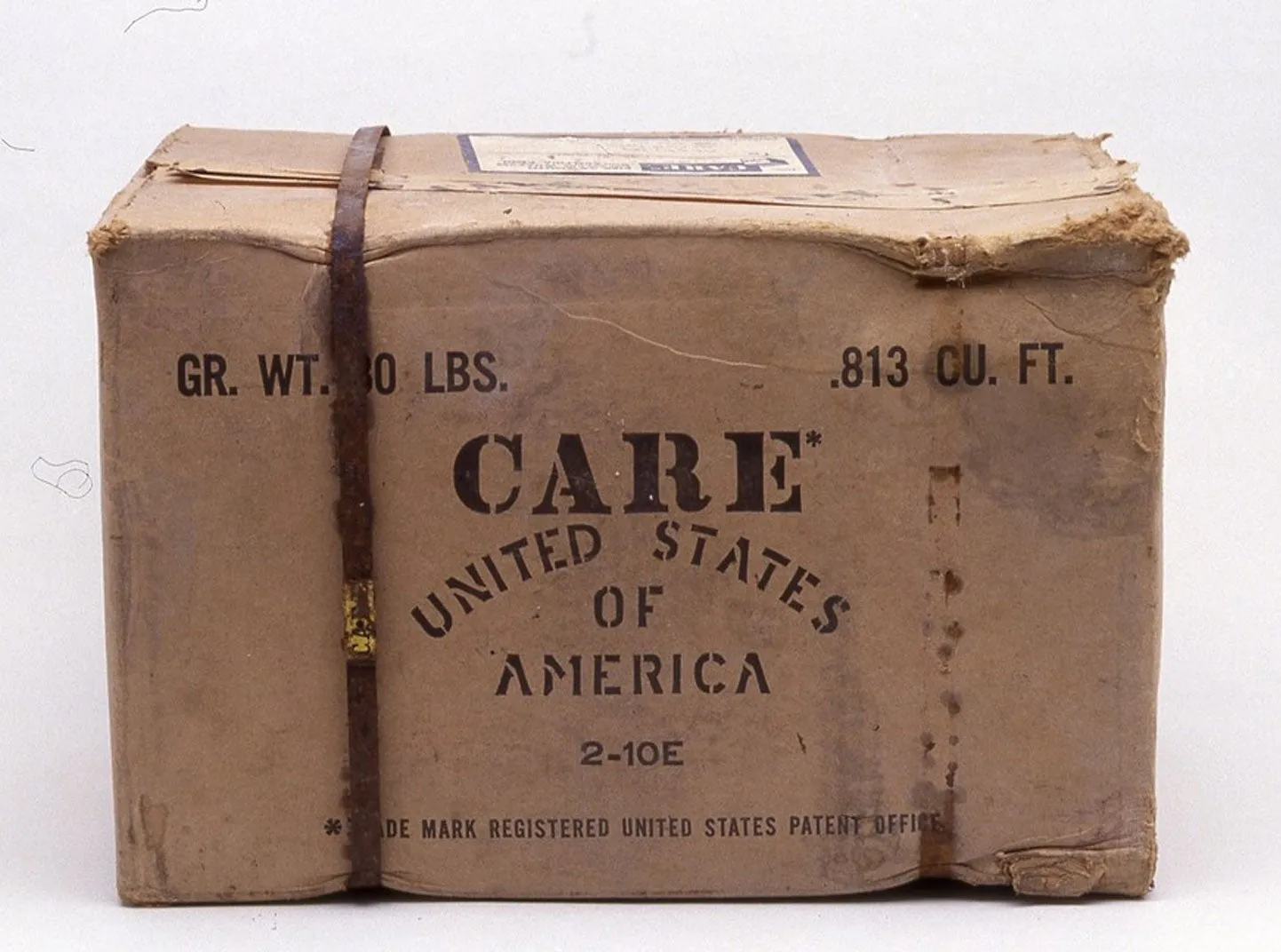
Thinking about the role the CARE PACKAGE played in supporting families during and after the war, Nick found himself wondering whether his father-in-law might have been among the people who received one.

“Thinking about the CARE PACKAGE [boxes] helping out the population during the war makes me wonder if my father-in-law was one of those who may have received them,” he said.

The question transformed CARE’s history from something distant into something deeply personal — a reminder that acts of support can become part of a family’s story for generations.

Stories of Resilience: What CARE’s Global Programs Teach Us

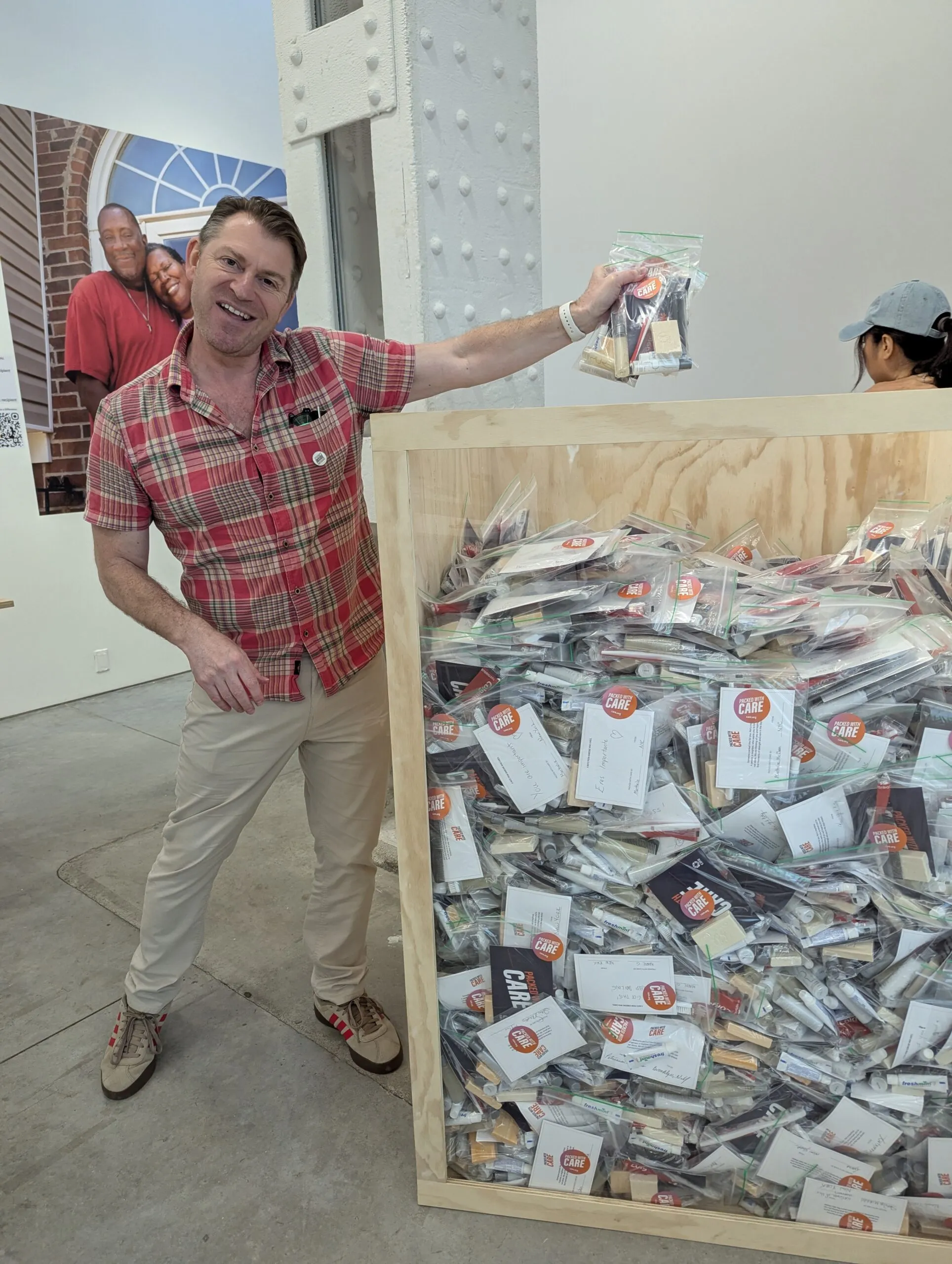
A man standing over a box filled with hygiene kits.
Nick Hetherington stands by the collection of CARE PACKAGE hygiene kits that were put together in New York City. Photo: CARE

Throughout the gallery exhibit, Nick encountered stories that illustrated the many ways communities create opportunity and resilience.

One display highlighted women in Jordan training and working as plumbers, creating new economic opportunities while helping meet local needs. For Nick, the story reflected something he values about CARE’s approach: supporting people as they develop solutions within their own communities.

That theme came up again in conversations he had during the event. While talking with CARE staff, he learned about coffee-growing communities in Vietnam and organic food entrepreneurs in Ecuador. Those stories left such an impression that he has already shared them with others.

The conversations reinforced his appreciation for CARE’s long-term approach: helping communities build opportunities that can continue growing long after a project ends.

How the CARE PACKAGE has evolved for today’s humanitarian crises

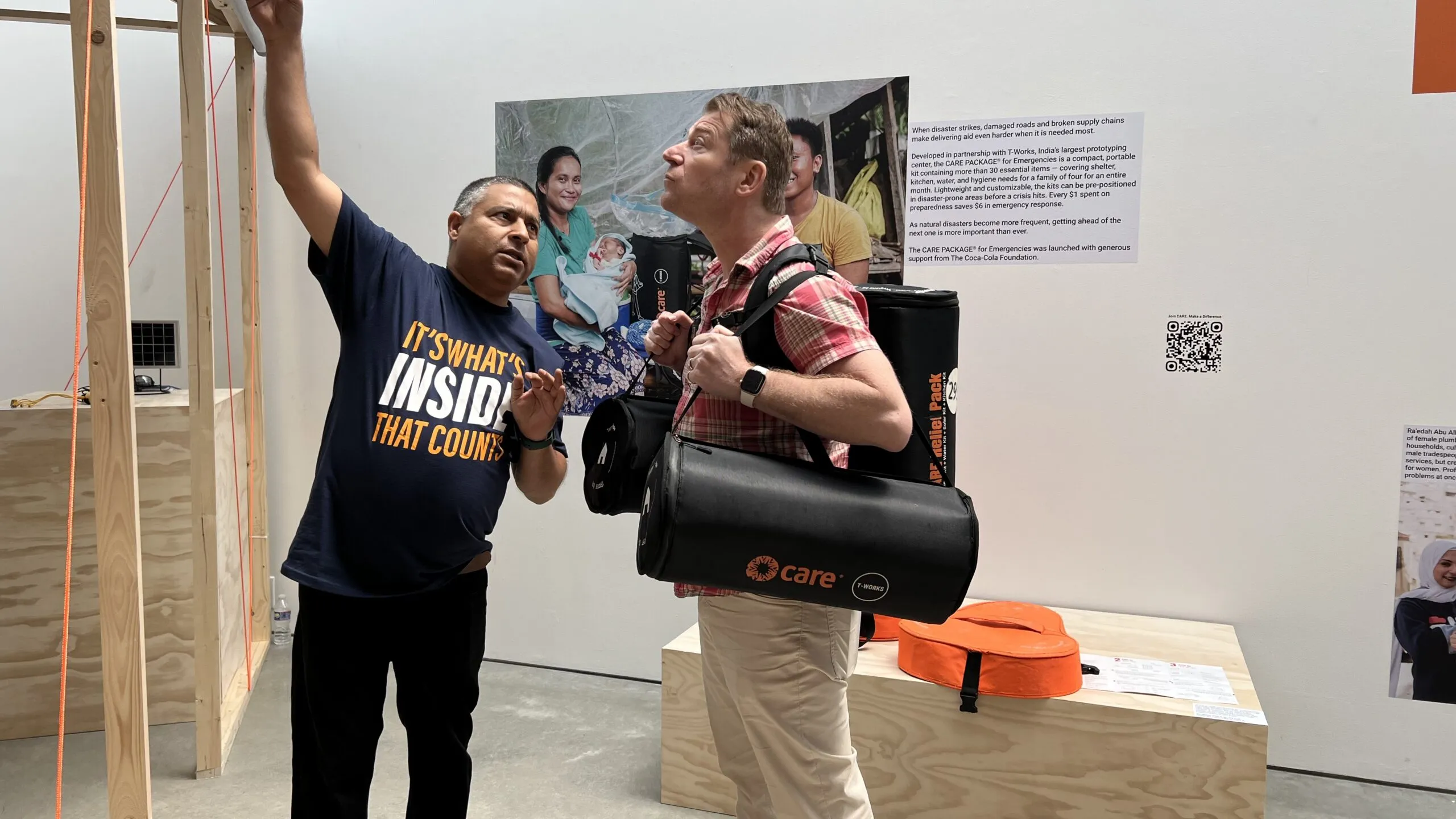
A man talking about an exhibit in a museum to another man.
A CARE employee talks to Nick about one of the exhibits at the CARE pop-up event. Photo: CARE

The exhibit also offered visitors a chance to experience the newest evolution of the CARE PACKAGE.

Designed for families recovering from disasters, the CARE PACKAGE for Emergencies contains supplies intended to help people navigate the critical weeks after a crisis. Nick was particularly impressed by features such as the integrated solar panel, which can help families access light and power when electricity is unavailable.

“I loved the new CARE PACKAGE,” he said. “It’s a brilliant design with so many functions.”

For Nick, the CARE PACKAGE represents more than the items inside. “It’s a lifesaving bridge between survival and agency.”

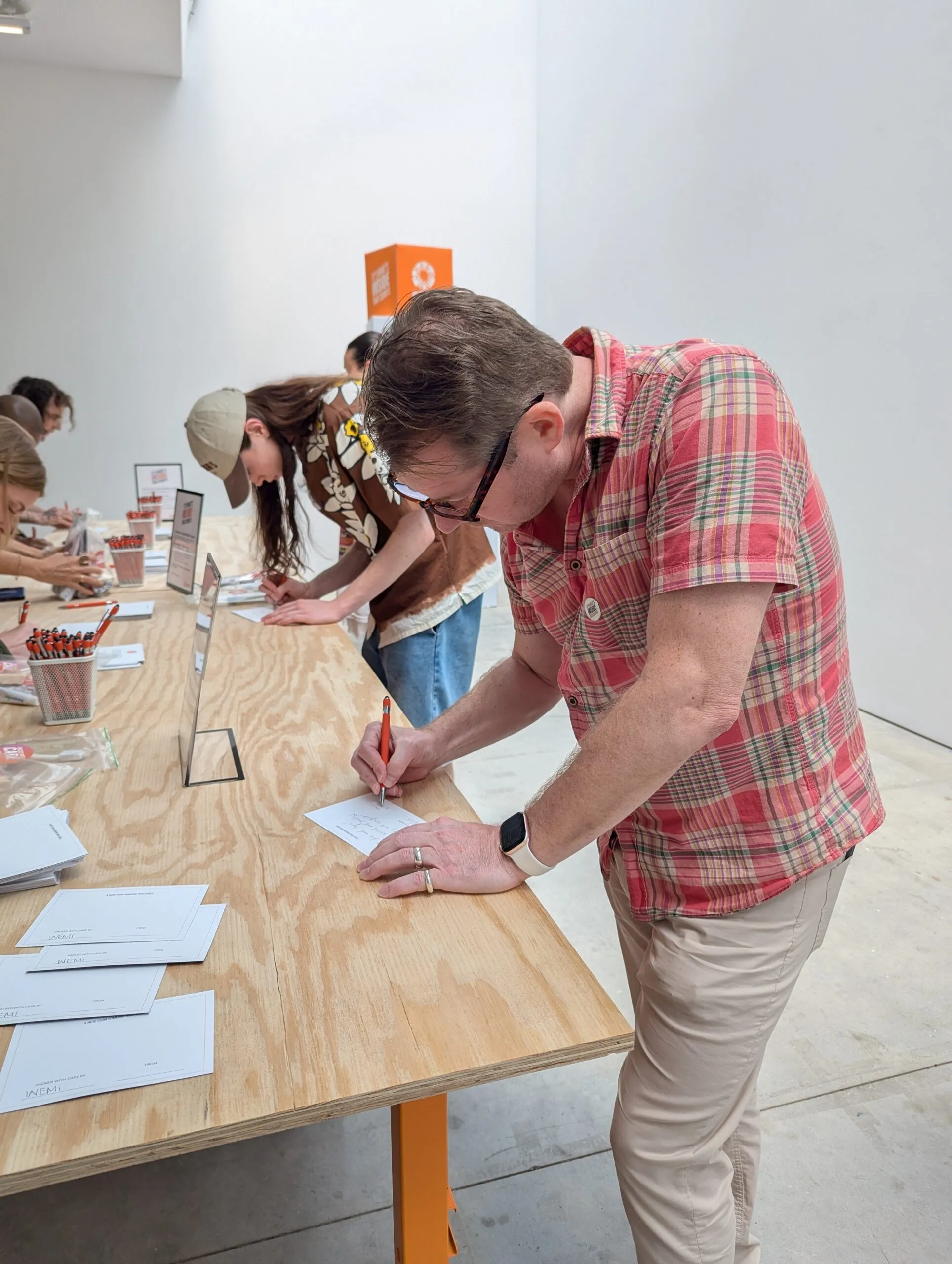
That idea came full circle when visitors were invited to pack CARE PACKAGE hygiene kits for people recovering from disasters across the United States. Some added handwritten notes to the kits before adding them to a central collection box. By the end of the two-day experience, more than 700 guests and 20 corporate groups had packed over 12,600 CARE PACKAGE hygiene kits.

Why the CARE PACKAGE still matters

A man standing by a table writing a note.
Nick writes a personal note for a CARE PACKAGE. Photo: CARE

Eighty years after the first CARE PACKAGE crossed the Atlantic, the idea behind it remains remarkably consistent: people helping people through moments of crisis. After spending the day immersed in CARE’s history — and contributing a CARE PACKAGE of his own — Nick left with a renewed appreciation for the thousands of stories that make up CARE’s work around the world.

He hopes other visitors left with the same understanding: that humanitarian assistance is not only about helping people survive difficult moments, but also about supporting communities as they build stronger futures. “We must continue to protect and preserve this kind of work,” he said.

Want more stories like this?

Be part of what CARE makes possible. Get stories, updates, and actions you can take to support women and families worldwide.

Subscribe
Back to Top