Venezuela earthquake: 5 things you should know 1 week later
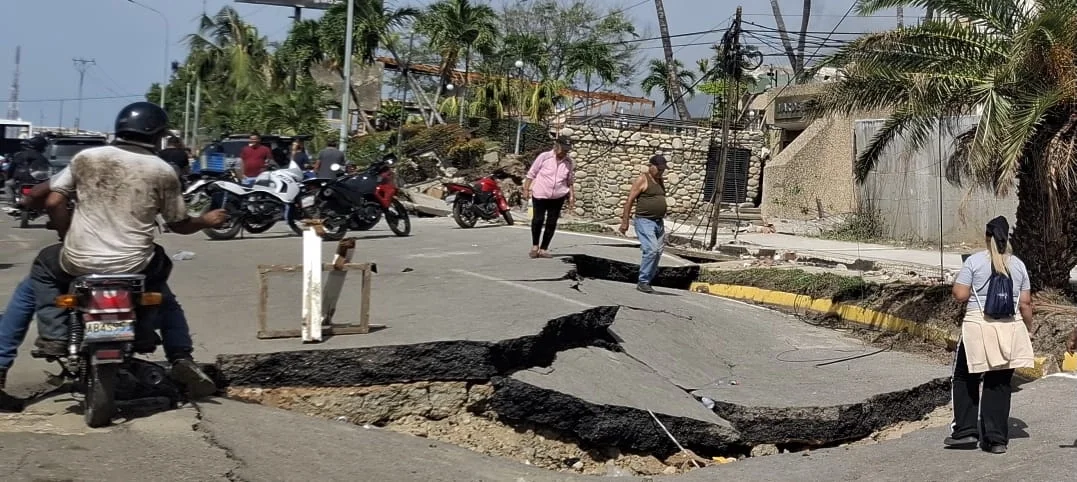
As of June 30, the devastating twin earthquakes in Venezuela have left nearly 2,000 people dead and more than 10,000 injured, affecting at least 855 buildings. Photo: Diana Vegas/CESAP/CARE
One week after Venezuela's strongest earthquake in more than 125 years, the remains of loved ones continue to be pulled from the rubble, and the full scale of the disaster is still emerging. Through local frontline partners, CARE is helping deliver urgent relief to the hardest-hit communities. Here are five pressing realities one week after the quakes:
Want more stories like this?
Sign up for the CARE News & Stories email newsletter to find out more about what’s happening around the world through vibrant, engaging stories that put humanity at the center.
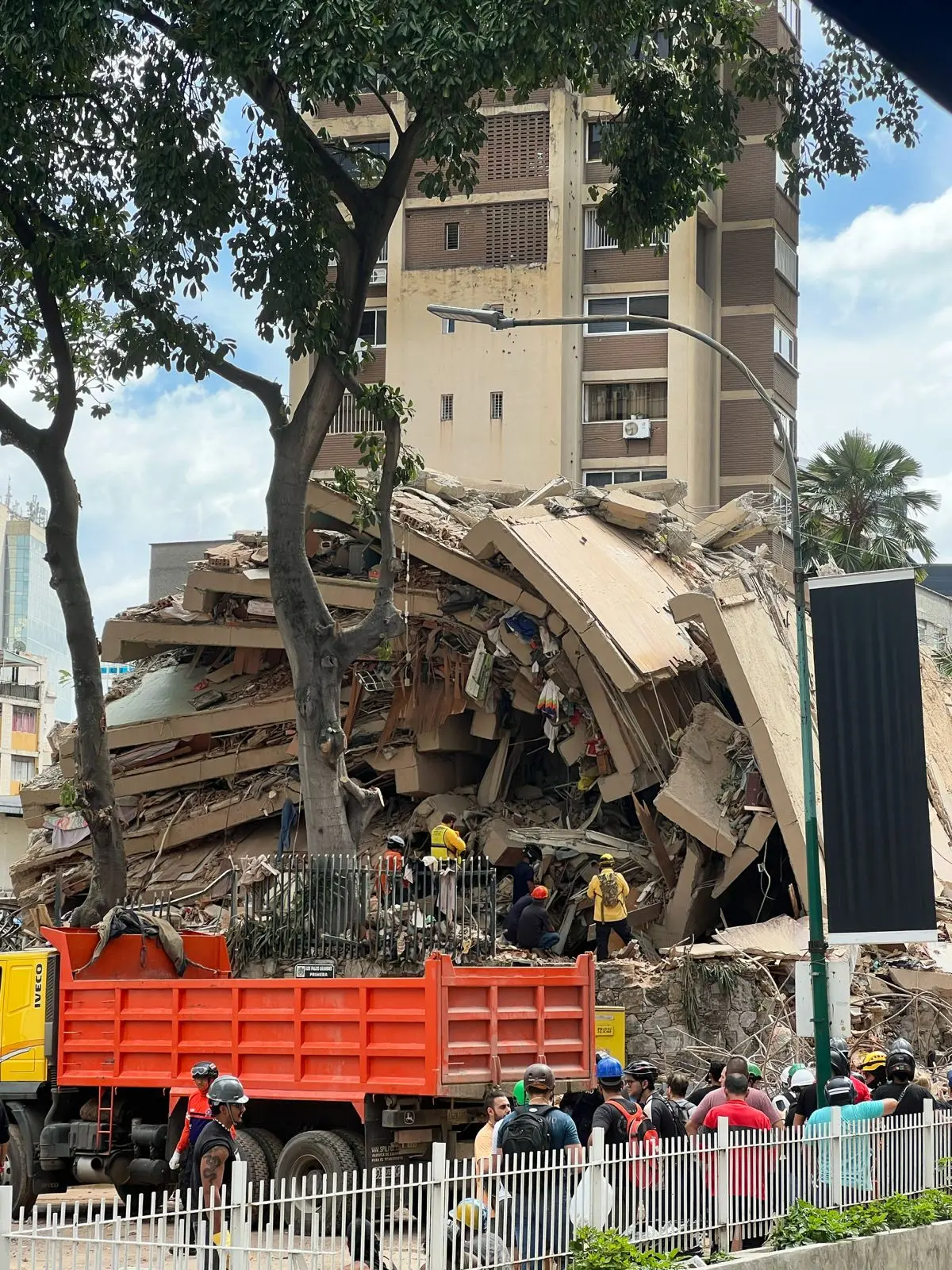
Out of the seven states affected, the greatest concentration of casualties from the disaster is centered in La Guaira state and the Capital District of Caracas.
Photo: Maureen Riveros/Tinta Violeta/CARE
On June 24, the strongest earthquake to hit Venezuela in more than 125 years struck a country where millions of people were already amid a prolonged economic crisis that has forced millions to flee over the last decade. More than one in three people lived in poverty before the earthquake, leaving many families with fewer resources to rebuild their homes and lives as economic losses are estimated at between 2% and 10% of GDP.
Two back-to-back powerful earthquakes (magnitude 7.2 and 7.5) hit the coastal city of La Guaira, on the outskirts of Venezuela’s capital, Caracas.
2. Many families are still waiting to learn what happened to loved ones
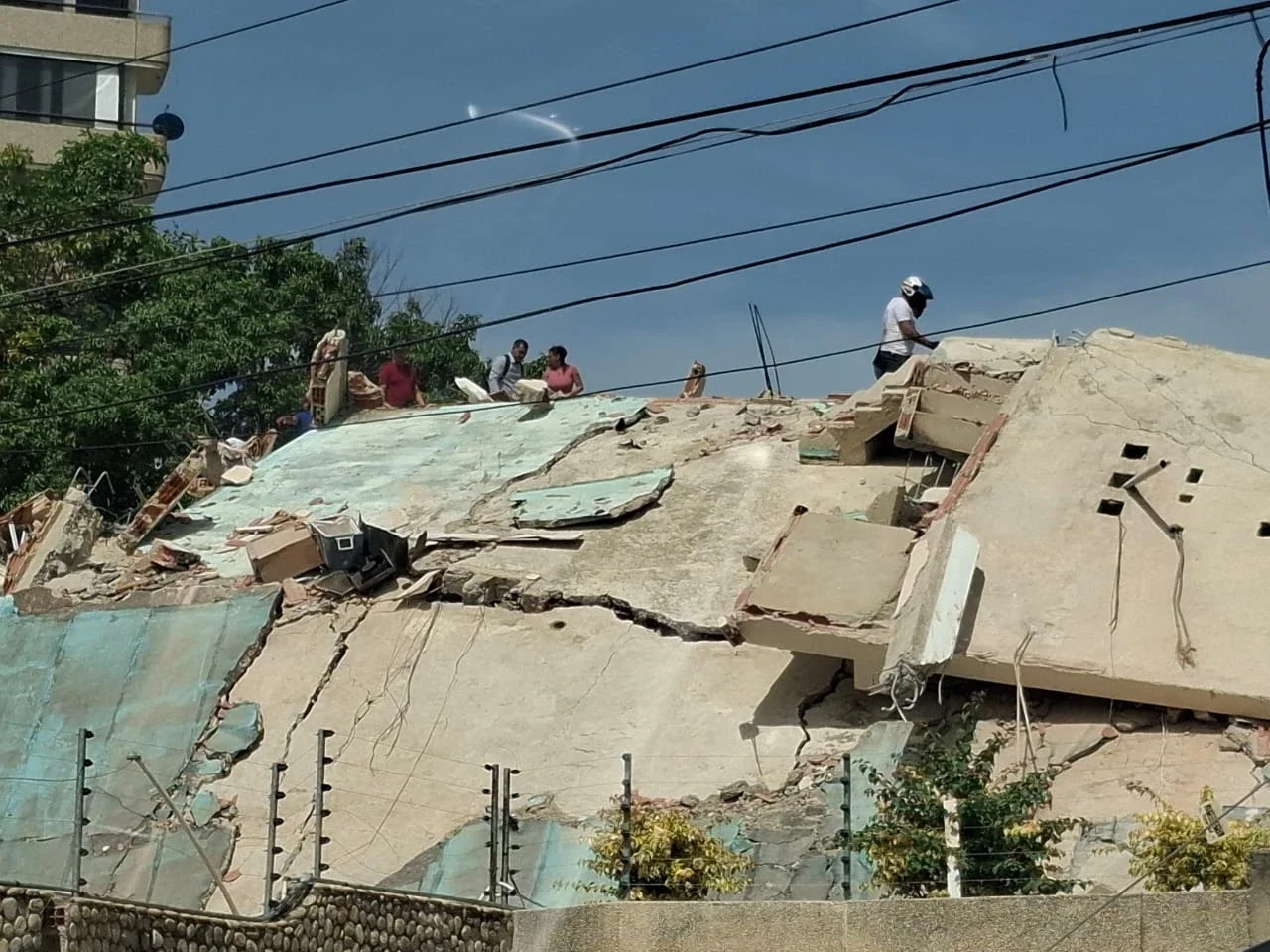
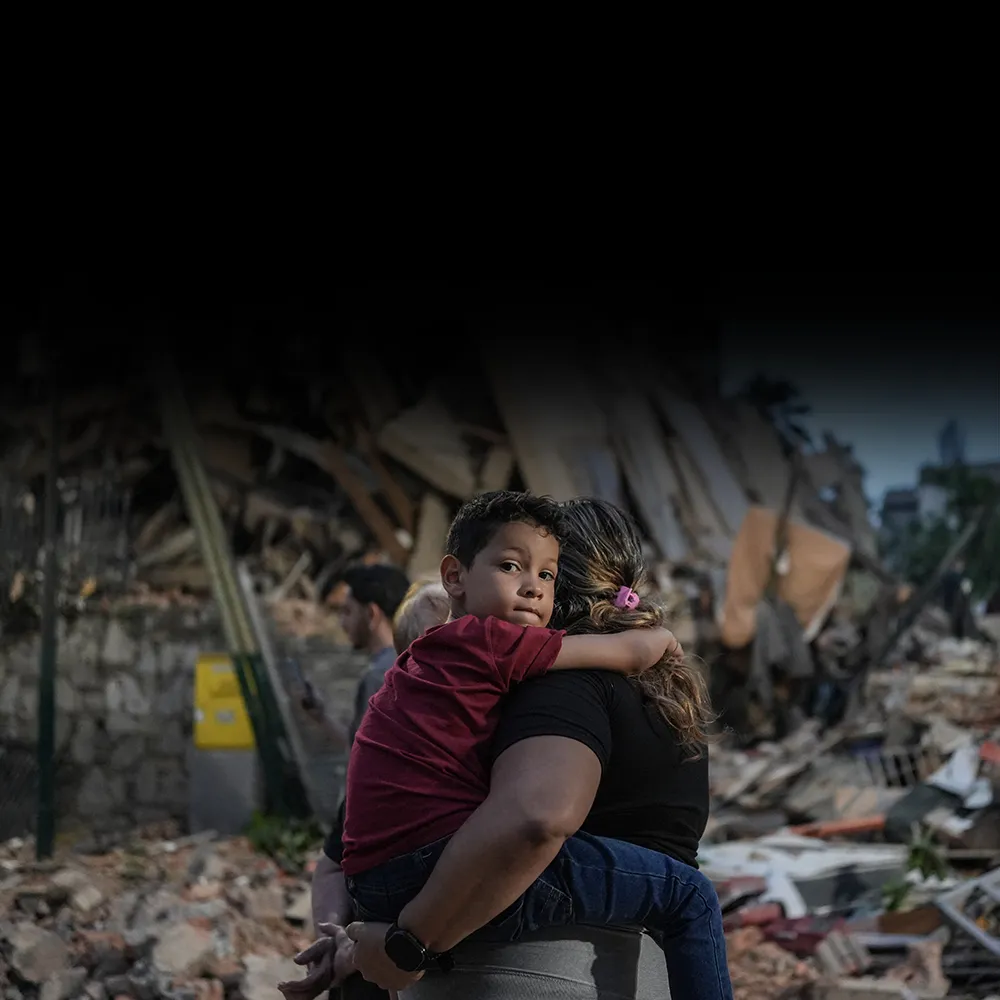
Thousands remain missing as emergency teams search collapsed buildings and debris amid uncertainty over the final toll. Photo: Diana Vegas/CESAP/CARE
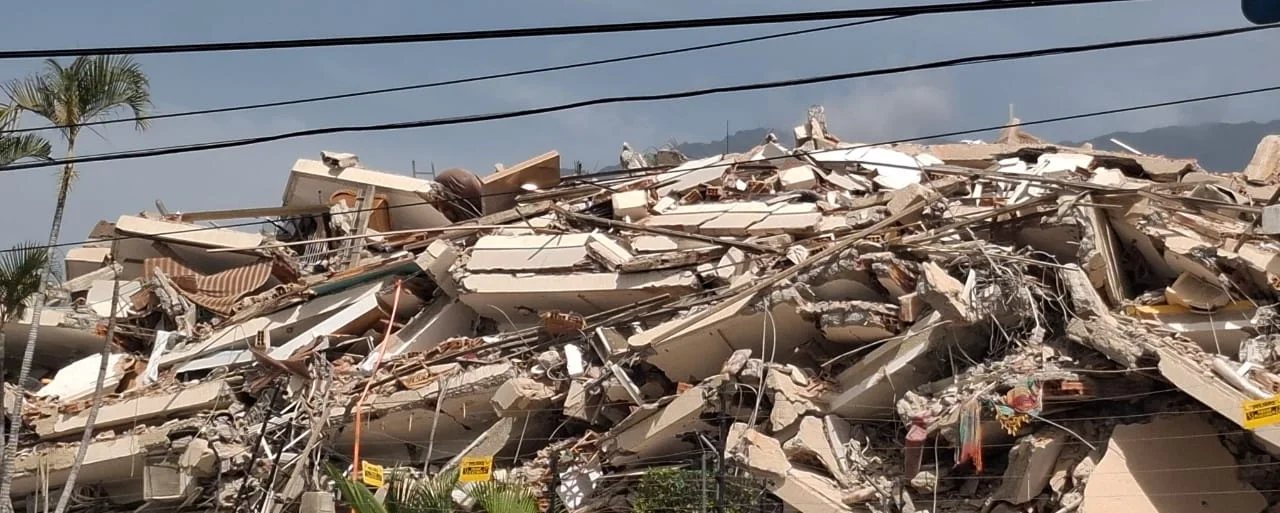
As the one-week mark arrives, the situation remains incredibly dire. As of June 30, nearly 2,000 people have died with more than 10,000 injured. The figures are still expected to rise as rescue missions work through the rubble.
Local infrastructure has completely collapsed. Our partners report that communications are severely disrupted due to electricity and cell network blackouts, and the already-weak health system has collapsed entirely in the hardest-hit coastal areas. People’s immediate needs include safe spaces and psychosocial support; safe shelter; clean water and sanitation; medical assistance; food; and hygiene kits.
“After being in La Guaira, the situation is much more dire than we initially thought; the destruction is total. It doesn’t even look like there was ever a city there,” says Daniela Inojosa from Tinta Violeta, a CARE partner.
3. Women and girls face greater danger after disaster
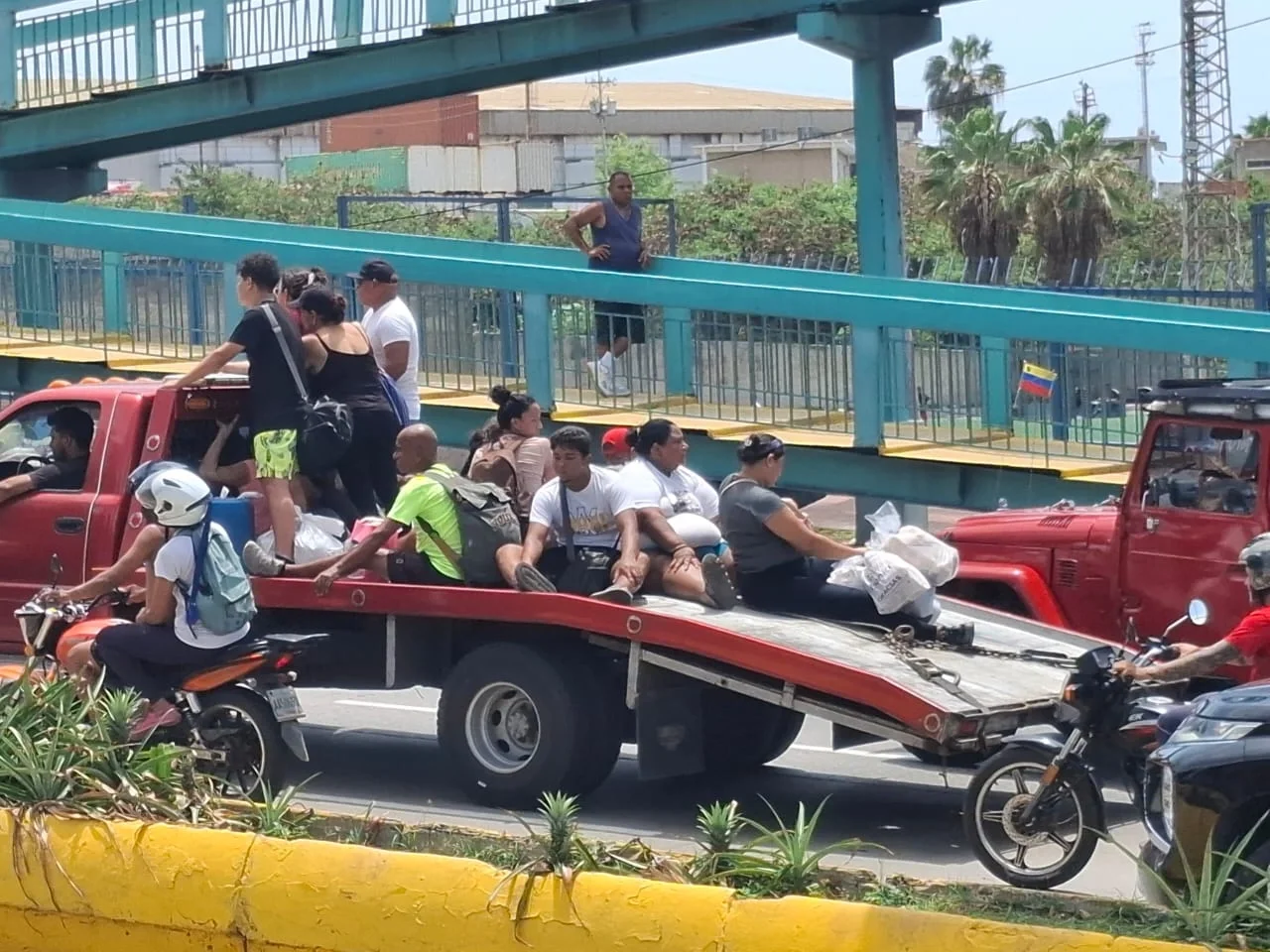
The destruction in Venezuela highlights a global reality of humanitarian crises, where displacement and the loss of stable housing consistently leave women and girls facing disproportionate safety and protection risks. Photo: Diana Vegas/CESAP/CARE
Women and girls often face disproportionate challenges during disasters and need targeted support, including protection services and safe shelters; dignity and hygiene kits, specialized health services, and psychosocial interventions. Tinta Violeta, a women-led organization, identified 15 sexual violence cases within the first 72 hours of shelter operations, which indicates the increased risks women and girls face after being forced to flee their homes.
4. CARE is working with local partners who already know these communities
Local organizations like Tinta Violeta and Grupo Social CESAP, in partnership with CARE, are delivering hot meals, trauma support, and essential supplies to earthquake survivors. Photo: Diana Vegas/CESAP/CARE
CARE is working through a network of local organizations in Venezuela and coordinating directly with them to support communities affected by the earthquake, especially women and girls. Tinta Violeta has deployed teams in La Guaira and Caracas to provide psychosocial first aid through hotlines and directly in shelters, manage cases of violence against women and girls, and distribute dignity kits. Grupo Social CESAP — a network of 19 NGOs — has activated a community kitchen to supply hot meals to families forced to flee their homes.
5. More help is urgently needed
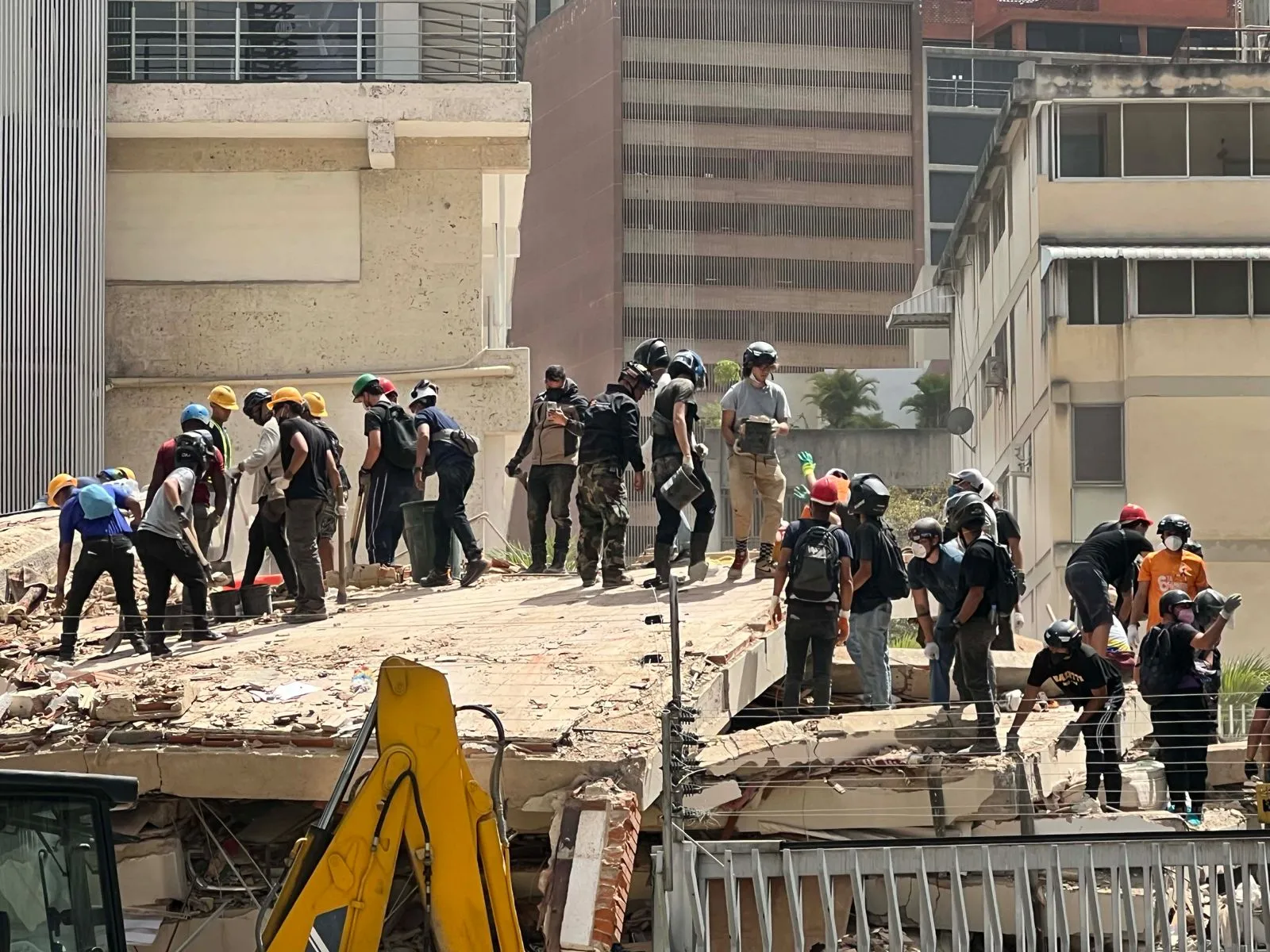
Venezuela’s earthquake response is unfolding against an already severe humanitarian crisis, with millions needing aid and urgent funding needed to prevent a deeper disaster. Diana Vegas/CESAP/CARE
Even before the ground shook on June 24, Venezuela’s humanitarian needs were severe. According to the United Nations (OCHA), 7.9 million people or nearly 28% of the population required assistance, yet the country’s Humanitarian Response Plan was only 23.2% funded. With estimated economic losses from this earthquake threatening to swallow up a sizable chunk of Venezuela’s GDP, localized, sustainable funding is an absolute necessity to prevent a secondary humanitarian catastrophe.
CARE partners are seeking funding to provide safe spaces for women and girls at displacement sites; distribute hygiene and dignity kits, emergency CARE PACKAGE kits; provide clean water and psychosocial support; source and distribute tents, tarpaulins, and blankets; provide hot food and emergency food packages; and offer health services with a focus on women and girls.
“At moments like this, the immediate priority is saving lives, supporting those who have been injured, and ensuring affected communities have access to the assistance they need… CARE is working with our existing partners in Venezuela, who are already responding to the earthquake, to determine how best to enhance their efforts,” says Ana Maria Mendez, Regional Director for Latin America and the Caribbean (LAC), CARE.
CARE in Venezuela: CARE has been working in Venezuela since 2018 entirely through local partners, seeking to provide life-saving services, including health services, food security, clean water and hygiene/sanitation services to the most at-risk communities affected by the country’s crisis. Since the response began nearly eight years ago, CARE’s partners have reached approximately 40,000 people, 70% of whom are women. Around 190 local organizations have received technical and/or financial support.
CARE has responded to the Venezuelan crisis with a regional approach that addresses the underlying causes and complexities of forced and mixed migration in all contexts. This strategy has provided an effective response to the needs of women and girls in Colombia, Ecuador, and Peru. Since 2019, the CARE Colombia office has carried out a cross-border humanitarian response for migrants and refugees, ensuring lifesaving services, especially in the areas of protection and health. At the same time, we have provided durable solutions for people aiming to stay in the country by strengthening their livelihoods and supporting social cohesion with hosting communities.