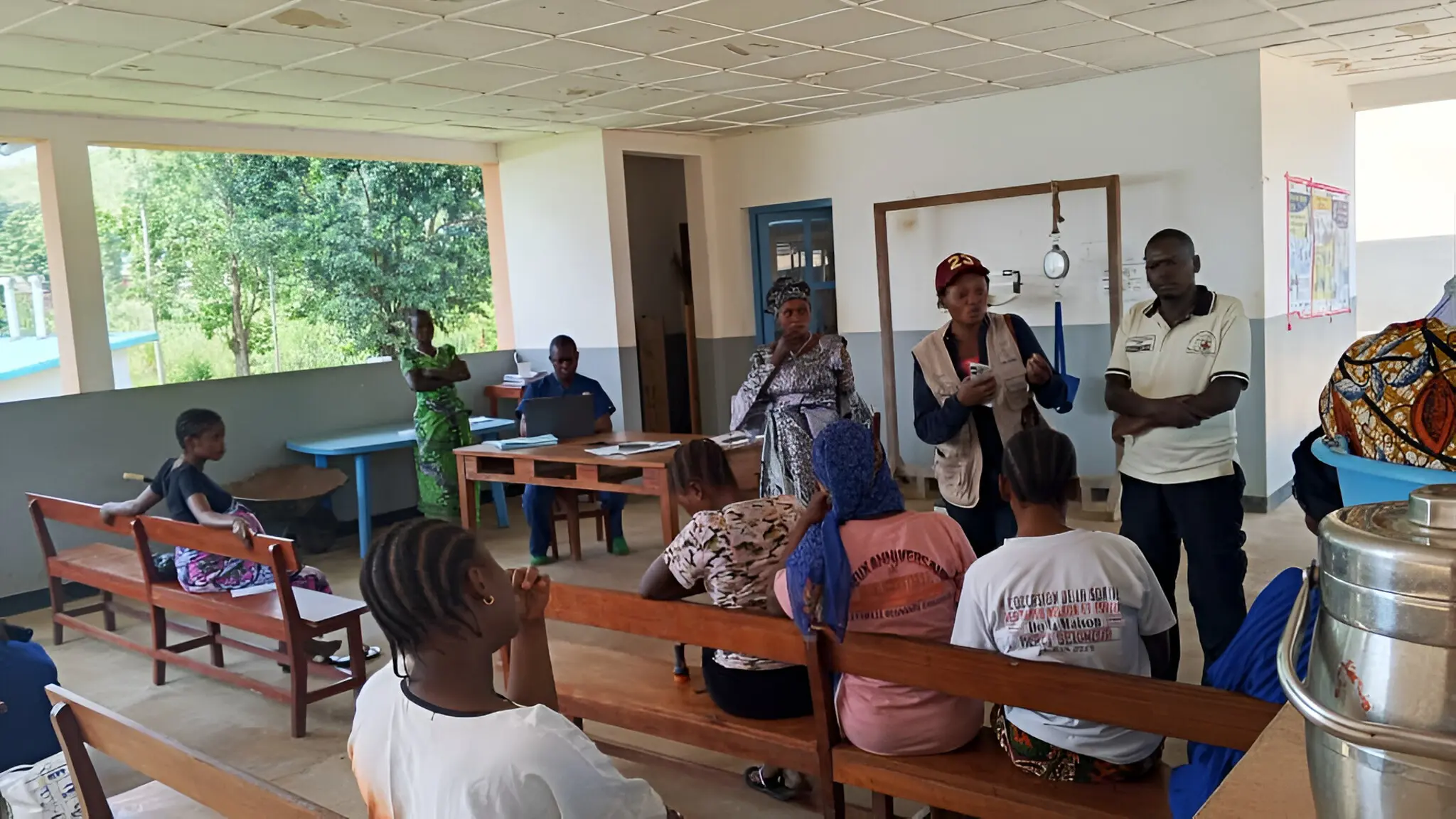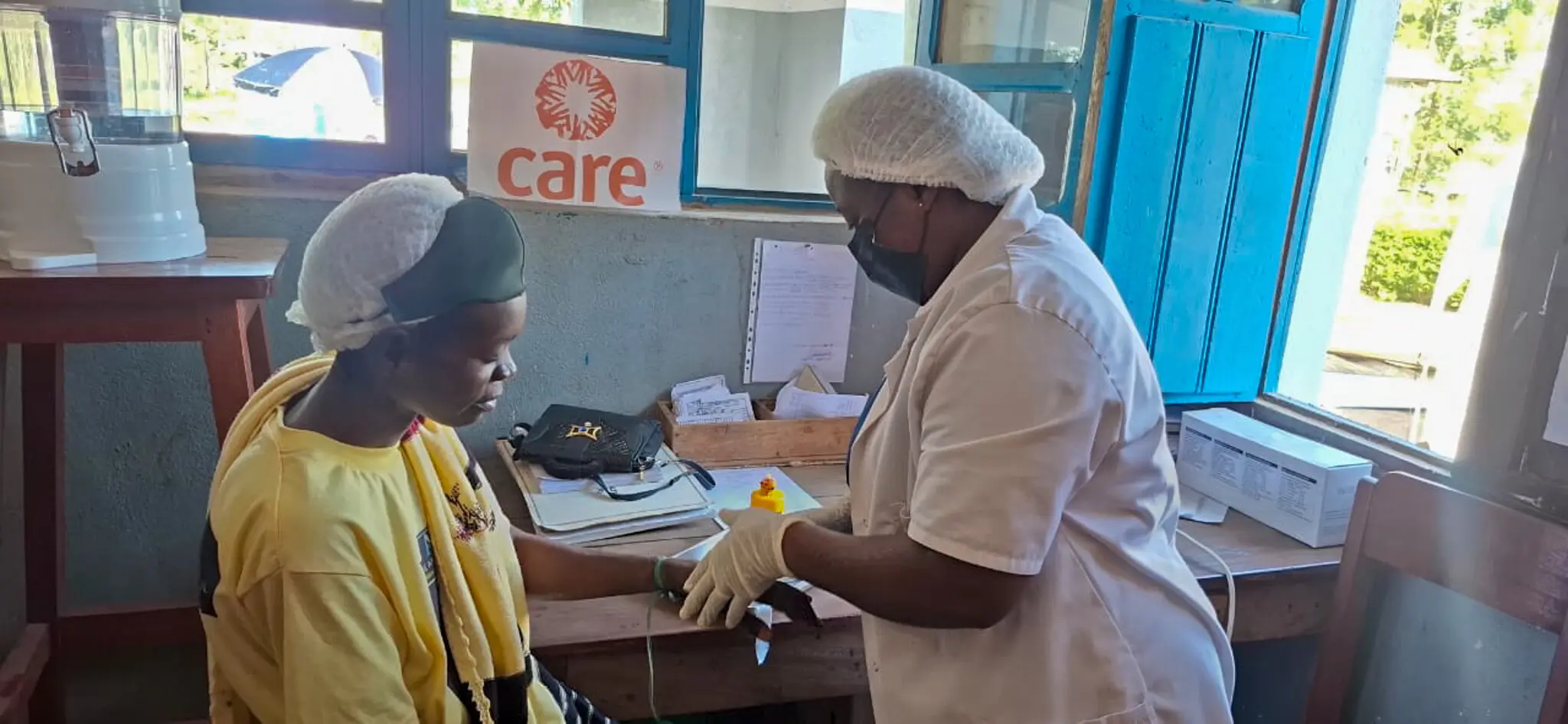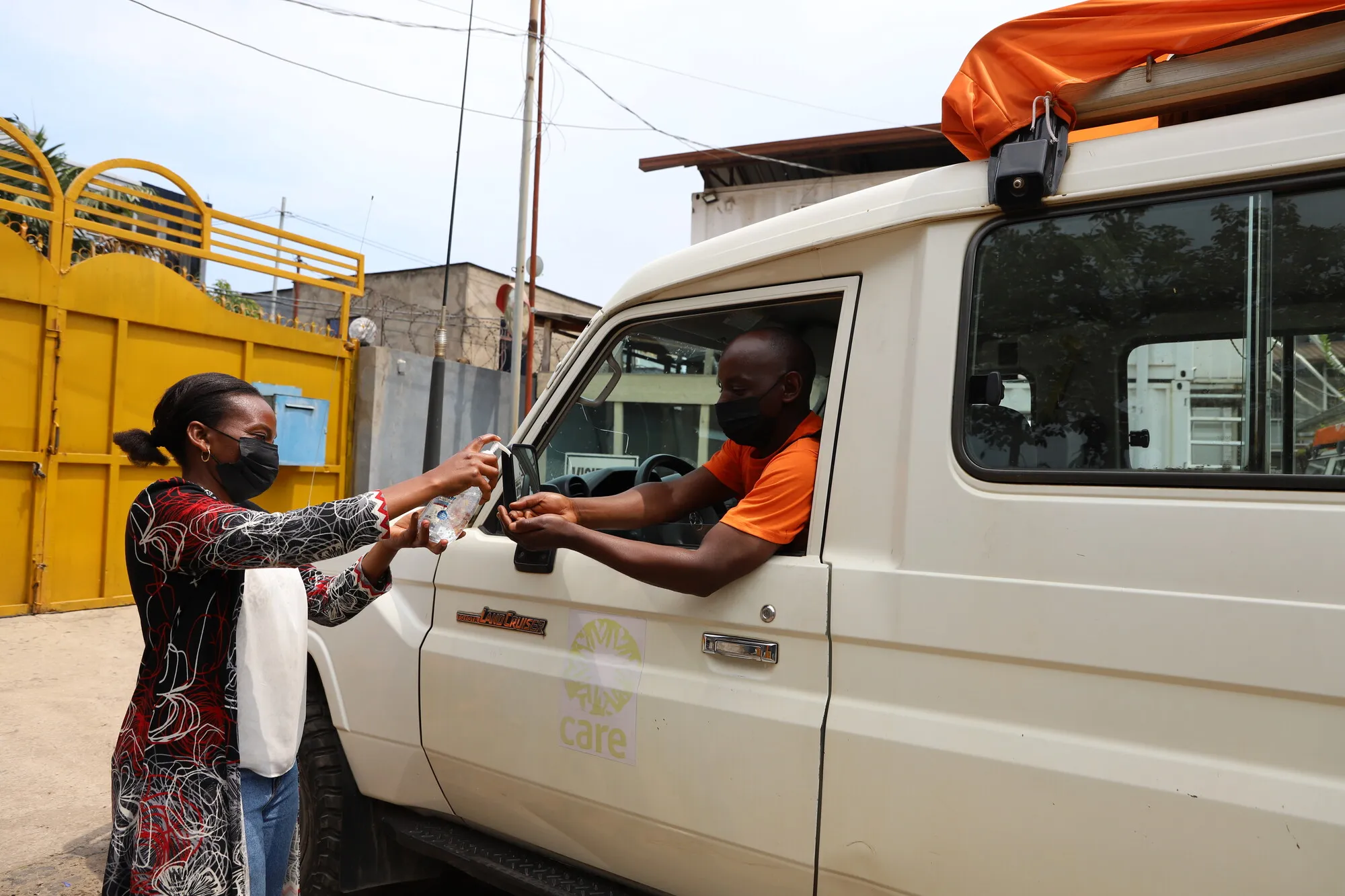
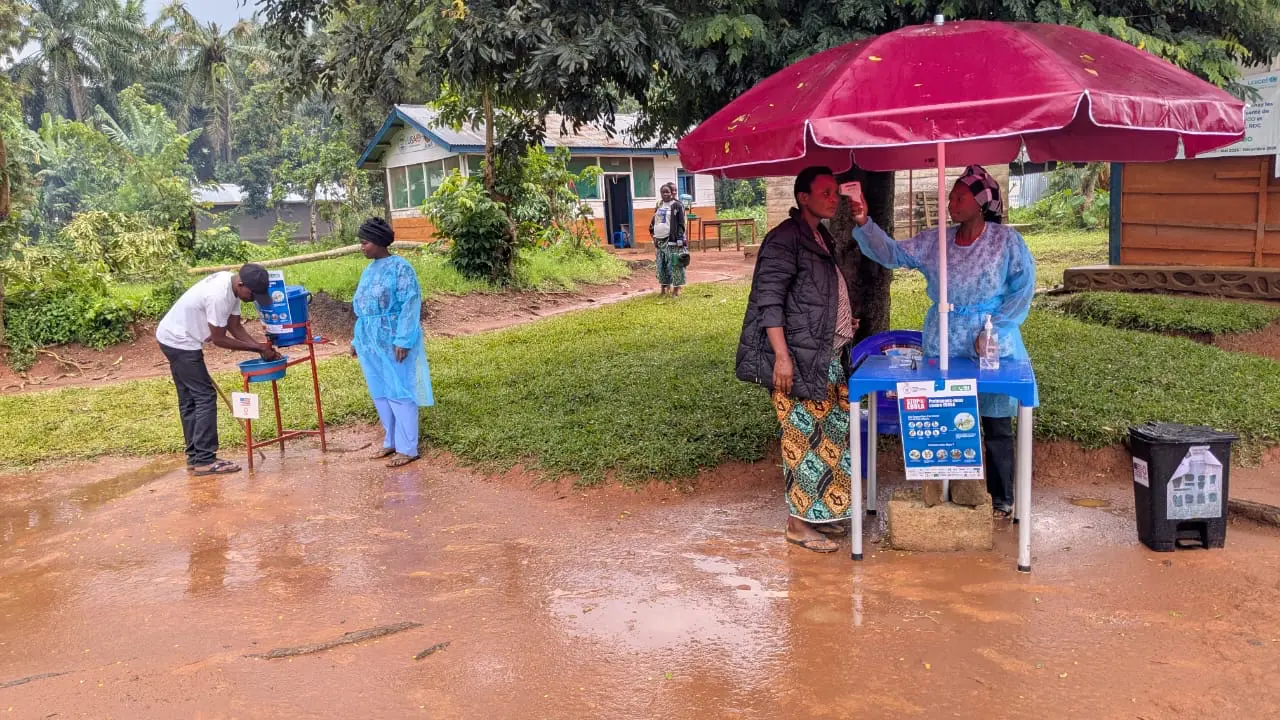
Kasereka Jospin is a nurse in North Kivu, DRC, actively involved in the Ebola response. He identifies and investigates suspected cases, works closely with surveillance teams, and collects and prepares samples for laboratory testing.
As the number of Ebola cases continues to grow, so does his concern about the health system’s capacity to help everyone in need.
“One of the biggest challenges communities are facing is the lack of medicines and medical supplies in health facilities. As a result, many people lose confidence in the health system,” Jospin said.
Healthcare workers in DRC are seeing many Ebola-related deaths being reported in communities rather than in health facilities. Jospin says one big reason for that is the cost.
“One challenge is that free healthcare, which was available before the Ebola outbreak, is no longer available during the epidemic. As a result, many people cannot afford to seek care at health facilities and instead choose to stay home, even when they become seriously ill,” he said.
Nathan Lubukayi, CARE staffer in DRC, adds that while treatment for Ebola is free, “many people cannot afford to treat other health conditions. As a result, they may delay visiting health facilities, increasing the risk of undetected Ebola cases in the community.”
Jospin says these financial barriers are preventing people from seeking timely medical care.
“Ensuring access to free healthcare, even within the Ebola response, is therefore essential to encourage early care-seeking and strengthen outbreak control efforts,” he said.
Another factor keeping people away from health centers is that they are scared of being treated.
“Many people are afraid of being hospitalized because they fear isolation, stigma, or not returning home. This fear often delays care-seeking until it is too late,” Lubukayi said.
When people who are sick stay at home, it puts the community at greater risk, but women and girls tend to face the greatest risk.