The humanitarian workers delivering emergency assistance in Lebanon are living through the same war as the families they support.
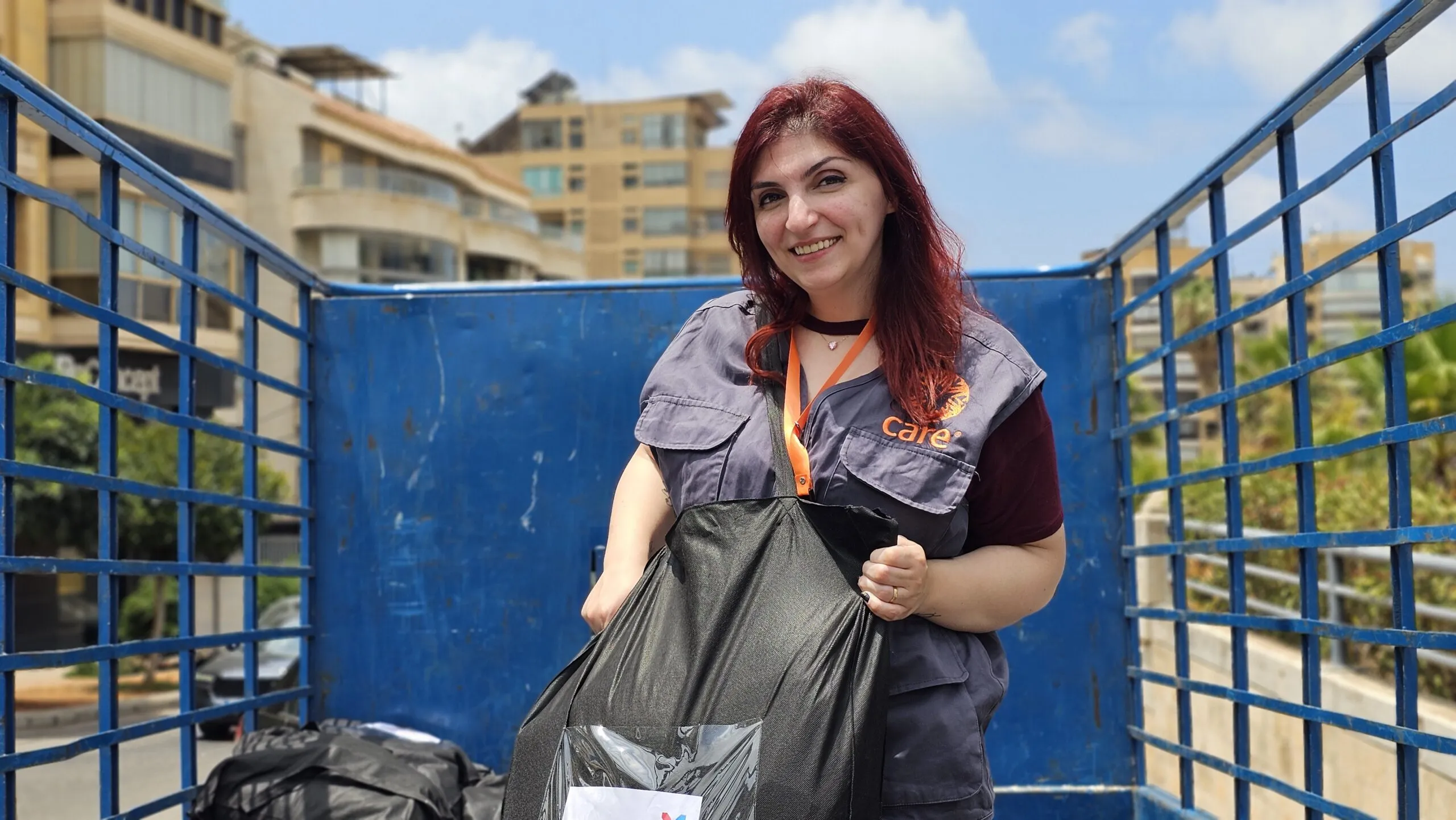
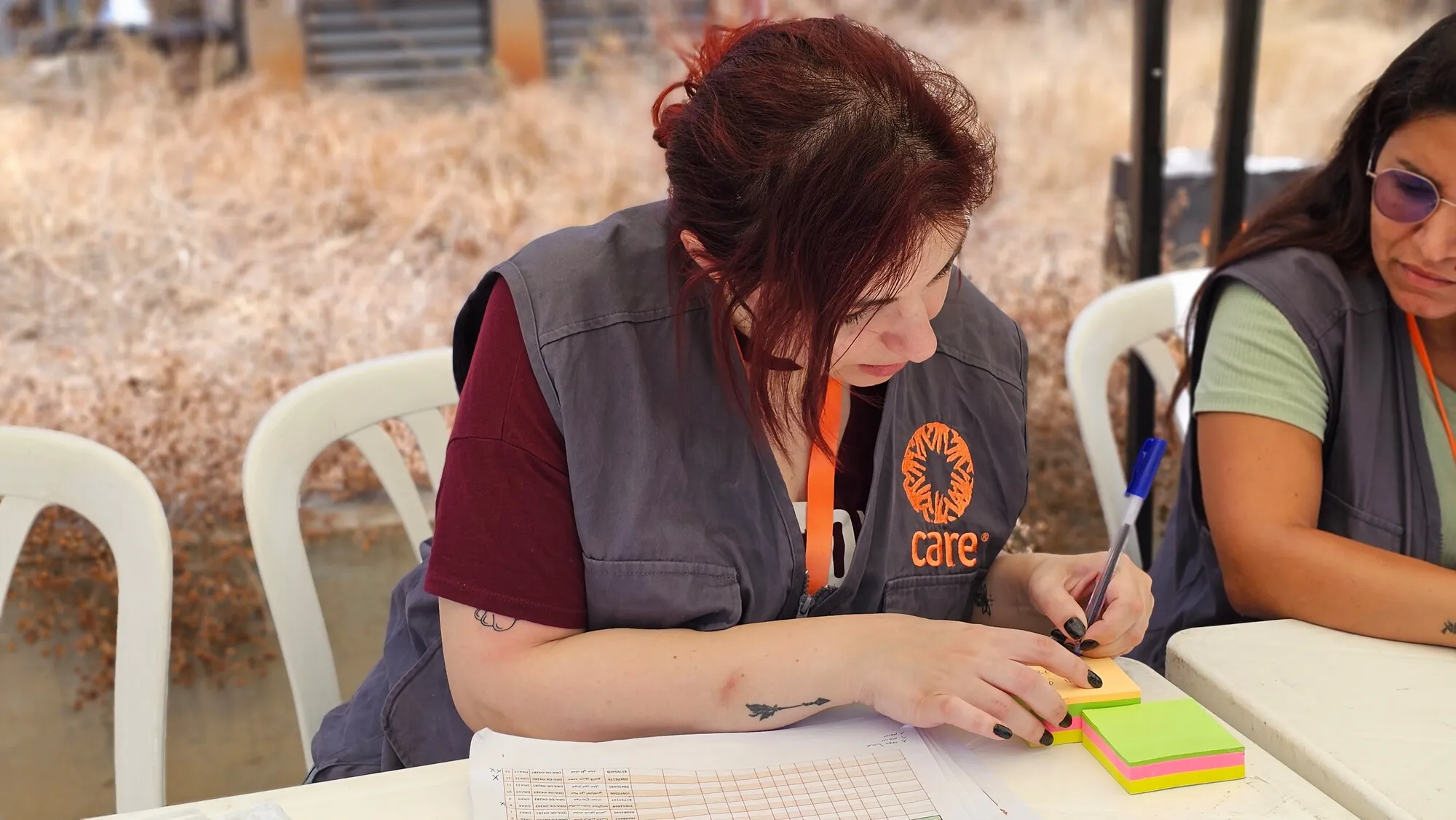
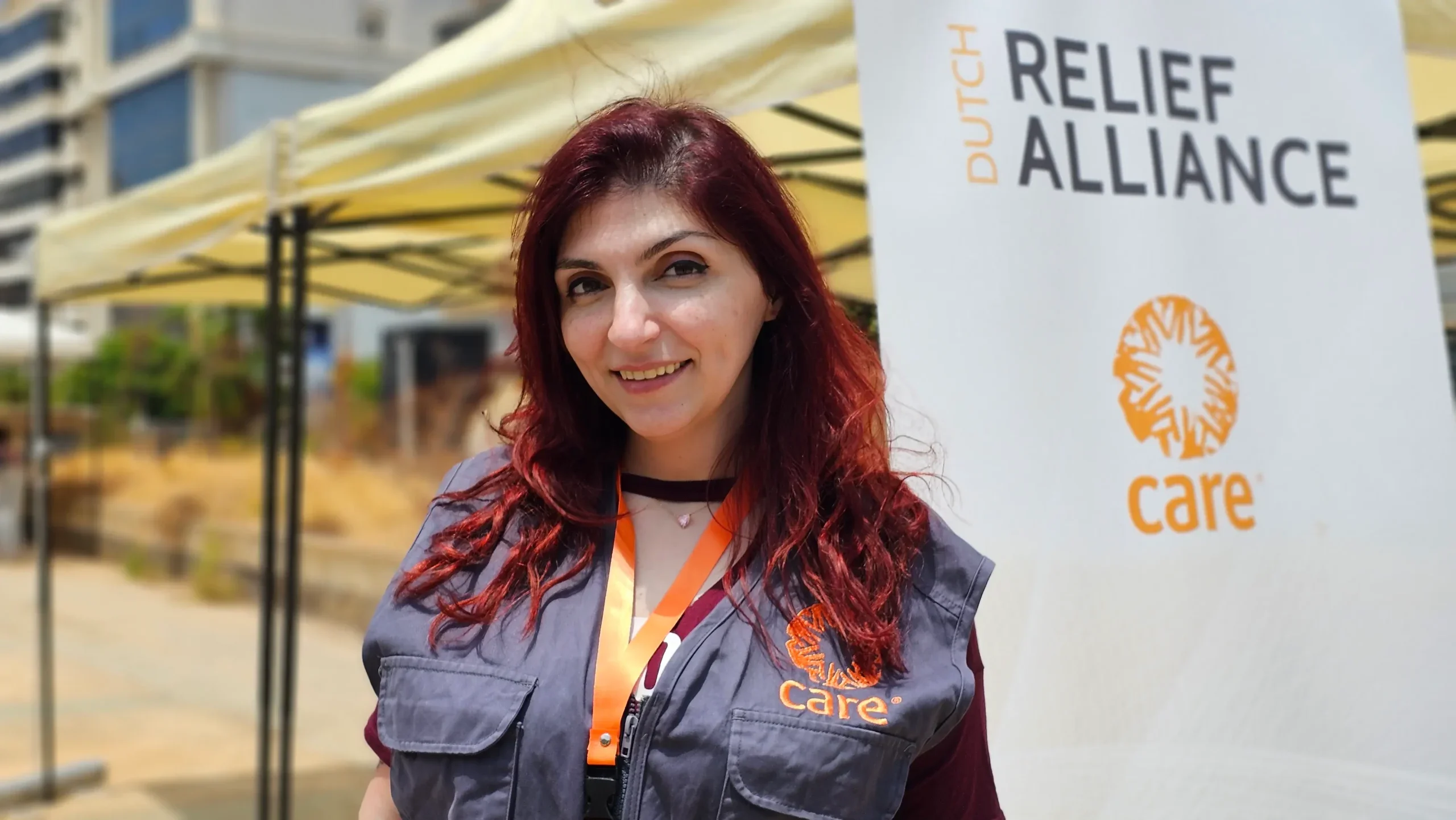
Hiba Jaber is one of them.
She spends her days helping displaced families find safety, cash assistance, and protection. At night, she worries about the next airstrike, sleeps little, and comforts her own children through the sound of bombs.
“I lived through five wars,” Hiba says, counting them on her fingers. “I know what war is. I know what displacement is. I know what it means to lose everything. My earliest memory is of my father carrying me down the stairwell to a safe room.”
Hiba has worked in humanitarian response for 13 years, including the last two with CARE. Since conflict along Lebanon’s southern border escalated in 2023 and intensified in 2024, hundreds of thousands of people have been forced from their homes, including many humanitarian workers. The UN estimates that 620,000 women and girls have been displaced since March 2026.
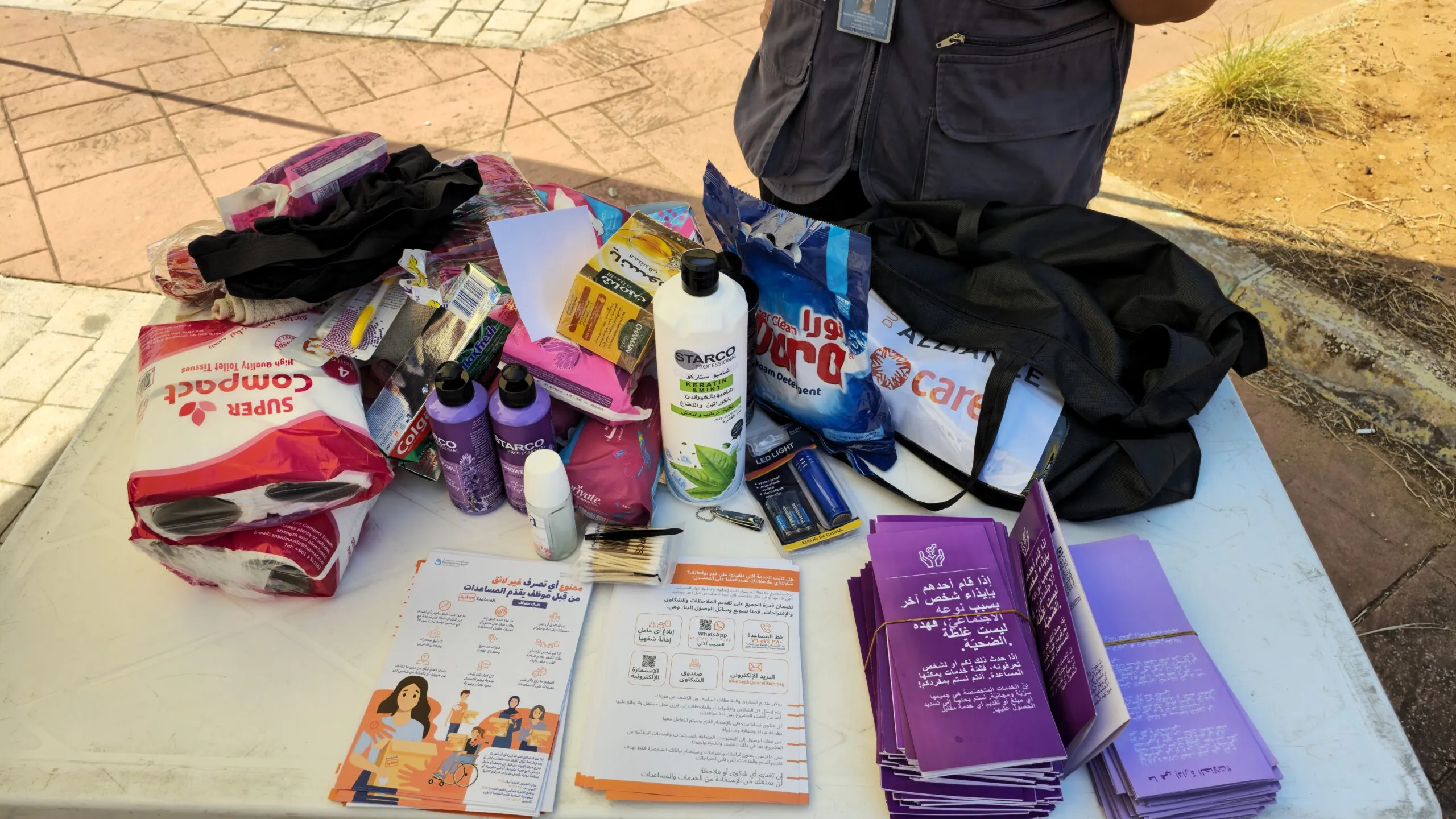
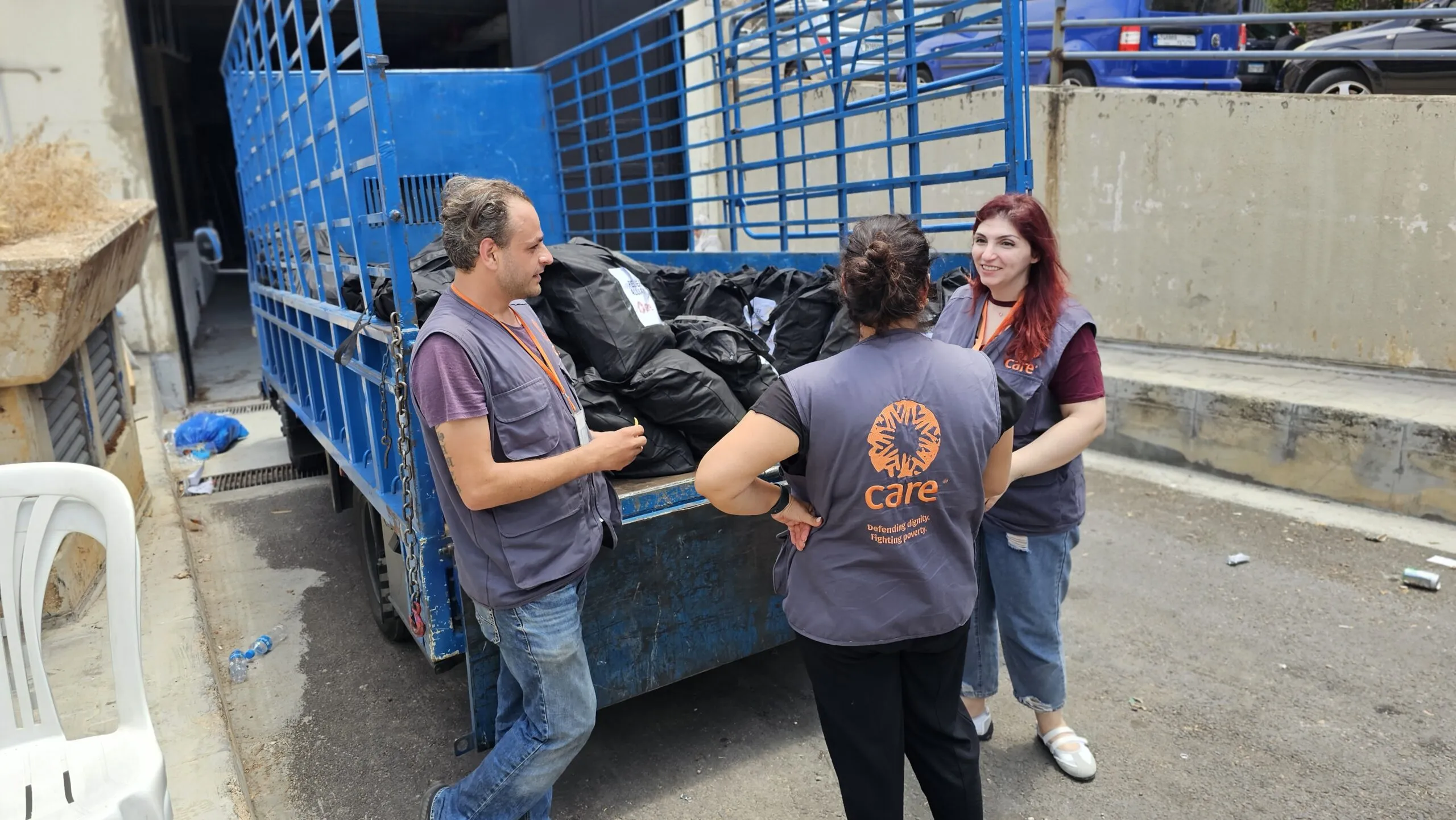
Every day, Hiba and other CARE teams in Lebanon meet families trying to rebuild their lives. CARE helps provide emergency cash assistance, protection services, and other support for families affected by the conflict.
Originally from Nabatieh in southern Lebanon, one of the areas hardest hit by the conflict, Hiba has lived in Beirut since 2017. A family home in southern Lebanon was severely damaged. Another is still standing, but there is no running water or electricity. Her mother, brother, and sister now live with Hiba, her husband, and their two young sons.
“You cannot live in a damaged home,” she says. “There are no open supermarkets, and the attacks are still happening.”