Bocoum recently shared one family’s experience with Ebola as an example of how rumors and misinformation are helping the spread of the disease in the Democratic Republic of Congo (DRC).
“When her son developed a high fever and skin eruptions, [the mother] assumed it was an evil spirit and did what many mothers here do: she turned to a traditional healer.”
Bocoum said the child eventually began bleeding — one of Ebola’s so-called “wet” symptoms, which can appear later in the course of the disease. It was then that his mother rushed him to a hospital where he later died. Testing confirmed the cause of his death was the Bundibugyo strain of Ebola.
According to Bocoum, delays in declaring the outbreak, limited community engagement, and mistrust between communities, health workers, and humanitarian organizations are making it more difficult for at-risk communities to get proper information about the disease.
In an interview with UPI, Bocoum said, “Sometimes they don’t believe Ebola is really real because of some rumor or false information, so that makes also our work very difficult. Because we cannot assist them to explain to them how people can catch the virus and where they should be able to go to get the assistance.”
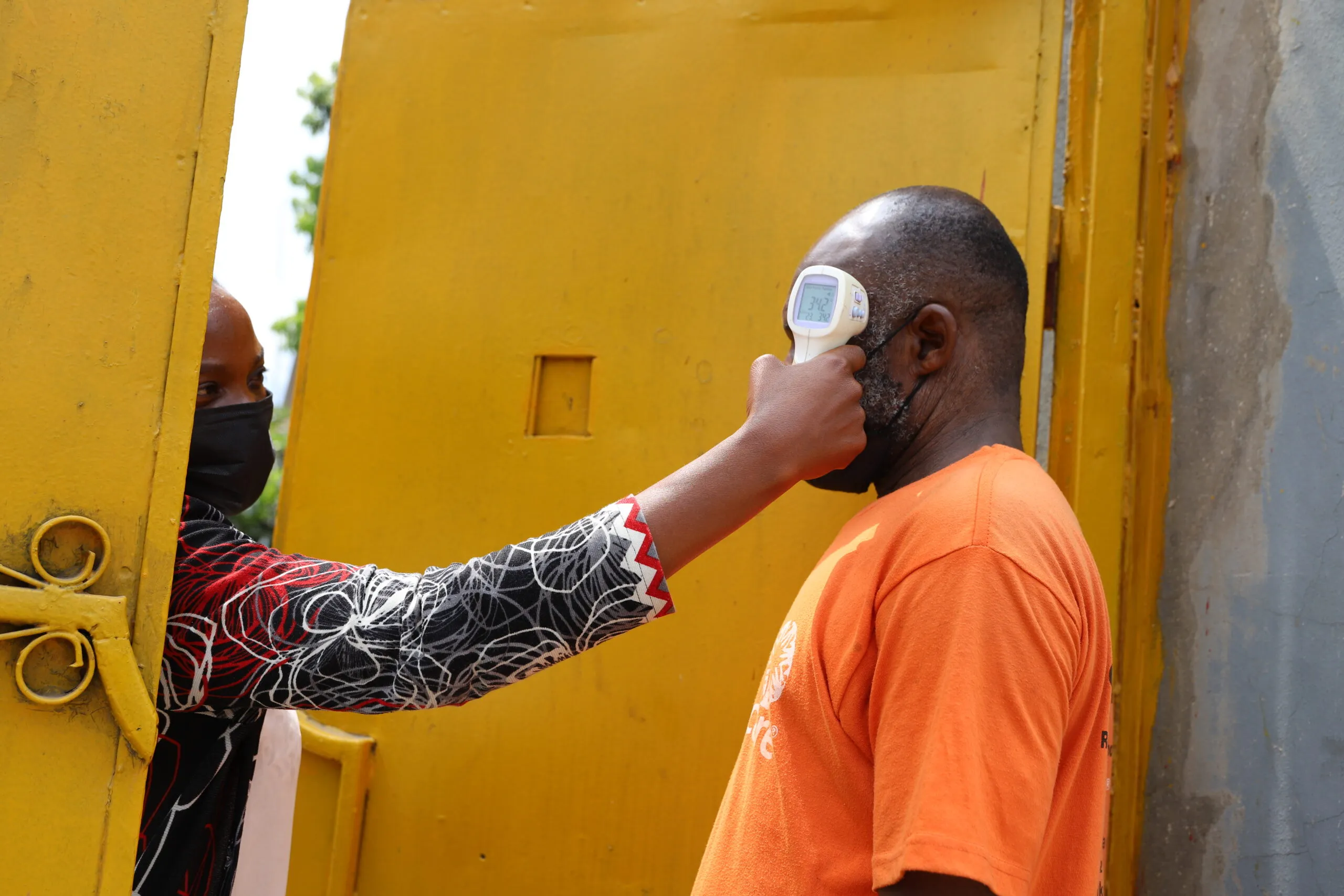
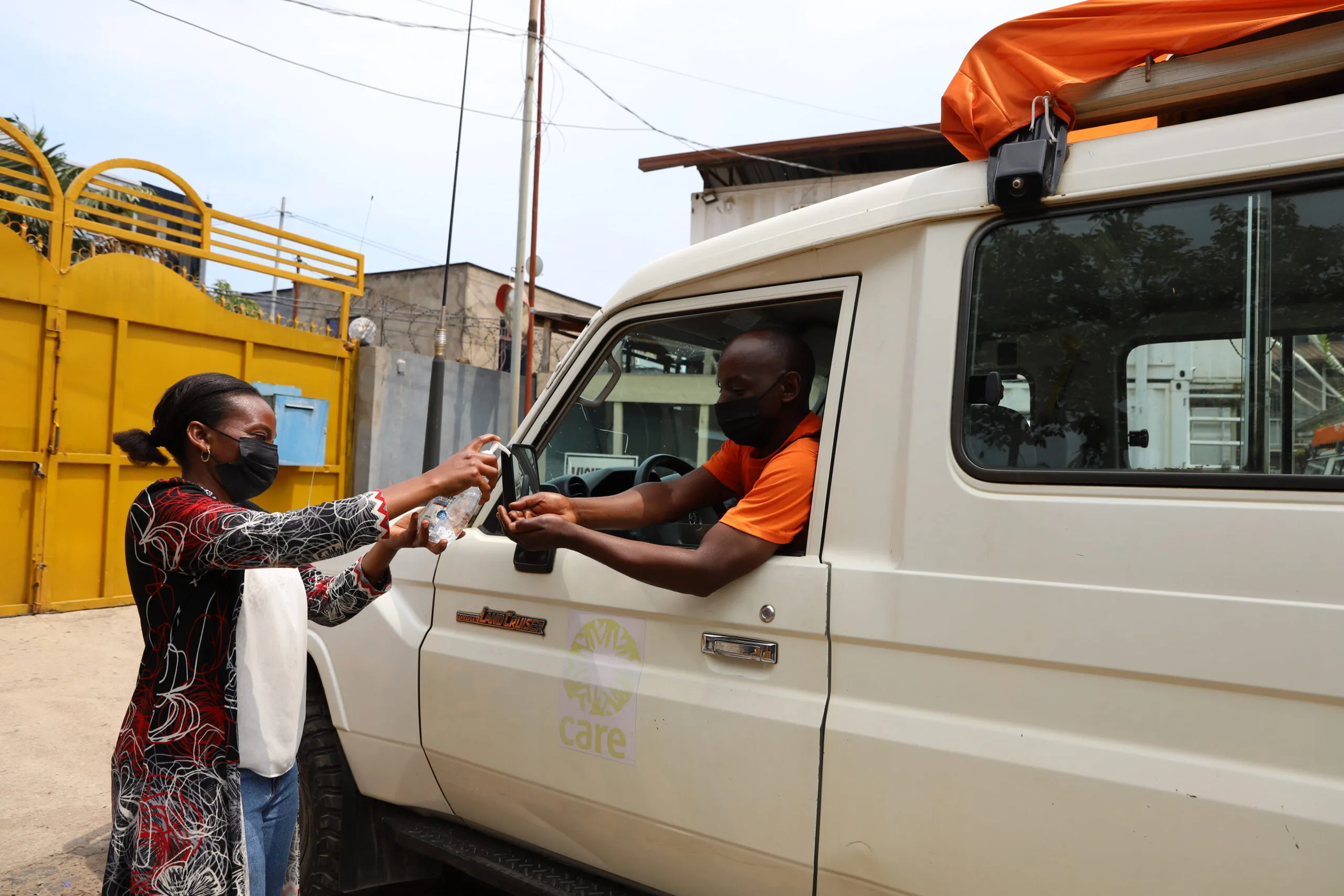
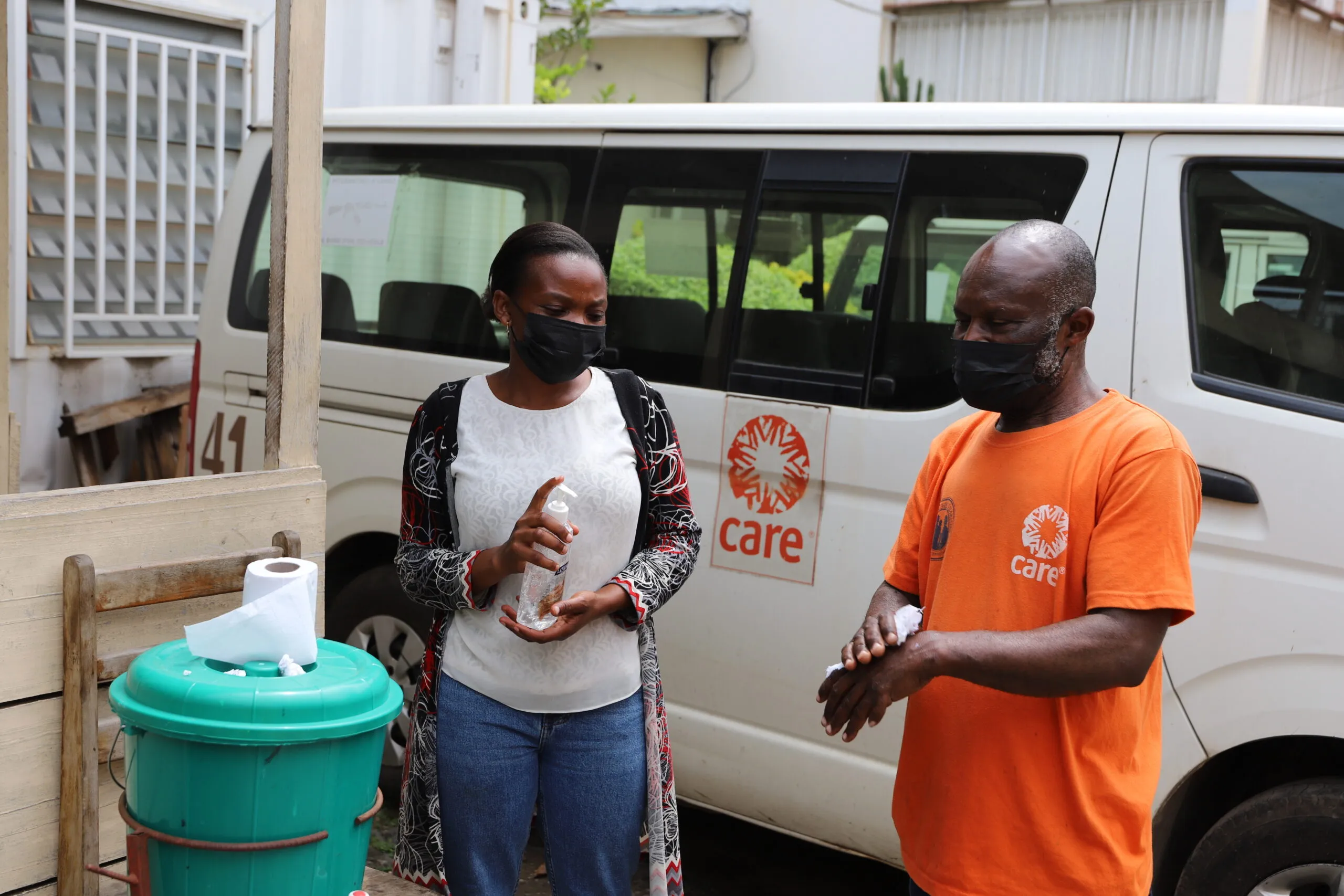
In the case of the mother whose son died after she took him to a traditional healer, CARE was able to assist the family after they became contact cases and needed to be monitored for 21 days. A trained community health worker explained the symptoms the family needed to watch for and visited them daily to check in and take their temperatures. CARE also distributed hand sanitizer and soap to the family. No one else became infected.
But providing this kind of individual, family-focused support is rarely possible throughout the affected areas. Widespread shortages in staffing, funding, and supplies are making the virus harder to contain. It’s also unfolding alongside ongoing conflict. More than 900,000 internally displaced persons are already living in cramped temporary shelters in Ituri, making it nearly impossible to quarantine if they have symptoms. All of these factors have led the Africa CDC to warn that this outbreak could become one of the worst ever.