This El Niño could be the strongest on record. Here's who's most at risk and how to prepare.

By Sarah Thompson October 20, 2026

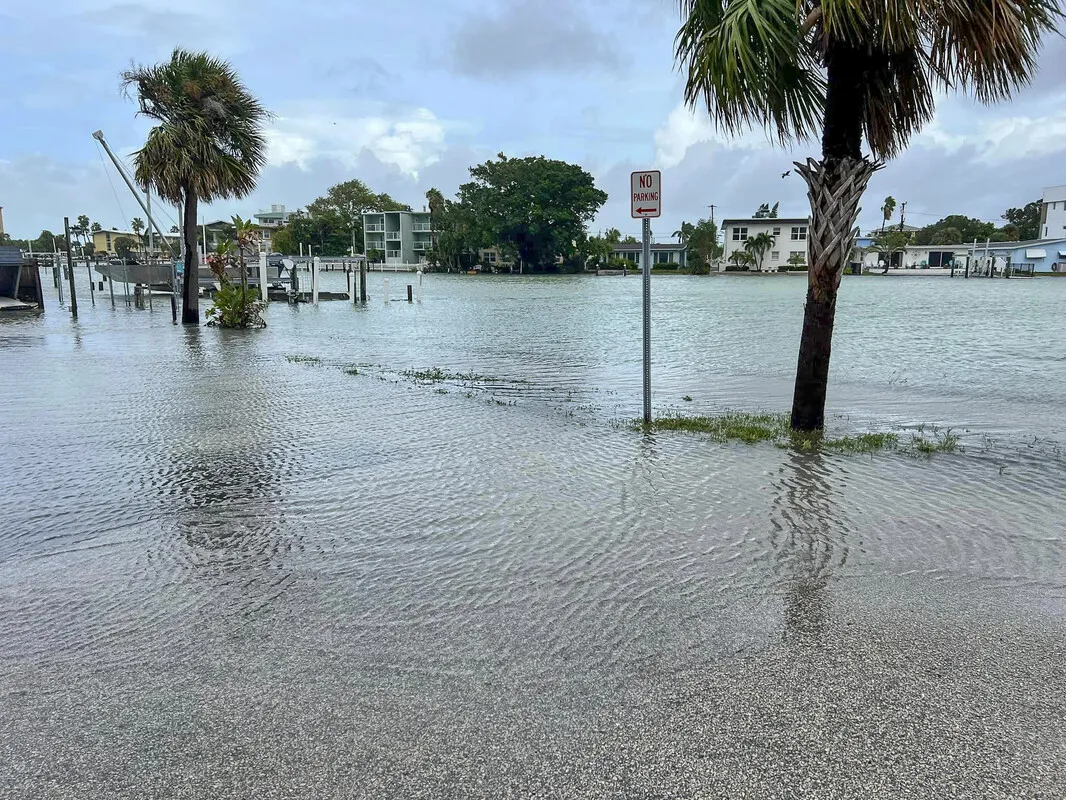
Flooded roads after Hurricane Idalia hit the Tampa Bay region of Florida in August 2023.

Hurricane Idalia’s storm surge hit Florida’s Tampa Bay region on August 30, 2023. This winter’s El Niño could bring a wetter, flood-prone season to the Southeast. Photo: CARE

Each year now, weather forecasts follow a similar pattern: the storms get more severe, and the gap between who needs help and who’s prepared to give it gets wider. When the emergency systems families depend on aren’t enough, CARE is there to reach the people those systems consistently miss, starting with moms and babies. With this year’s El Niño, CARE is already preparing for them.

The United States is entering the 2026–27 winter with a strengthening El Niño. NOAA’s October outlook gives an 83% chance that the event will reach historic strength between October and December, potentially surpassing previous El Niño events dating back to 1950. That doesn’t mean every forecast impact will occur everywhere. But a stronger El Niño increases the likelihood of familiar weather patterns, giving communities a valuable window to prepare before conditions become dangerous.
How U.S. weather is affected

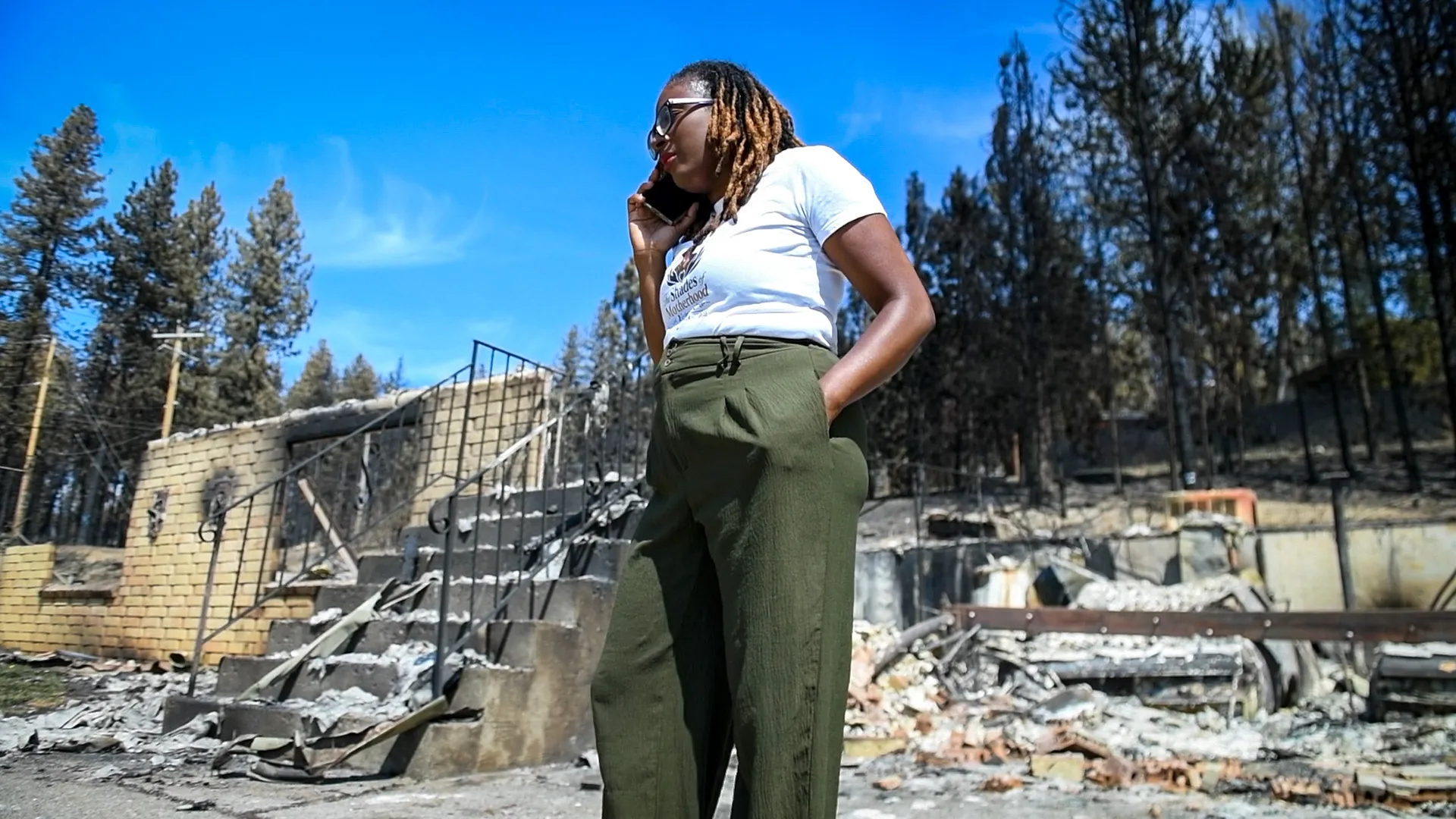
A woman talking on a cell phone in front of remnants of burnt down house.
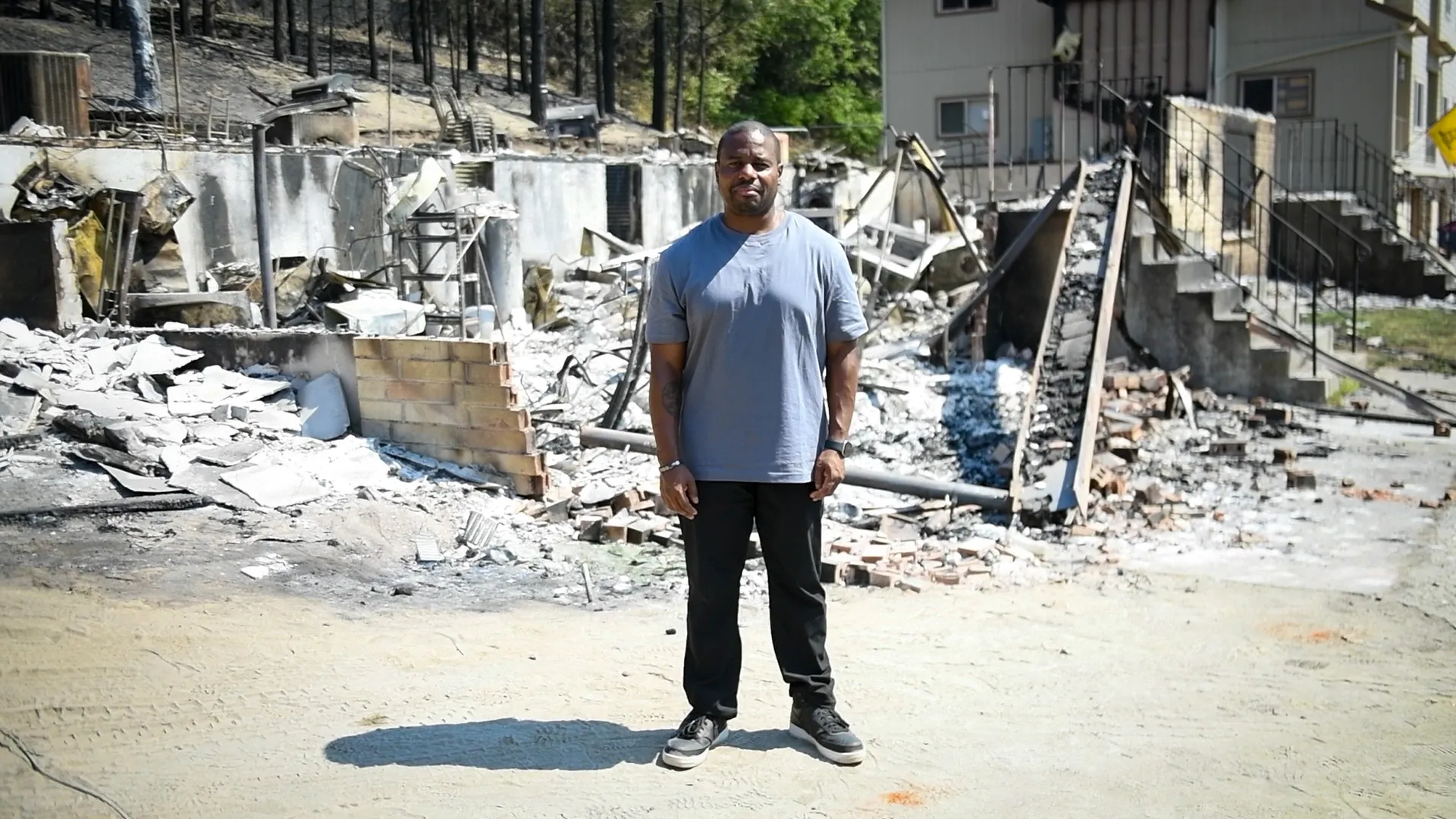
Stephaine Courtney and the Shades of Motherhood Network have been providing assistance to families in Spokane throughout the disaster. Photo: Brooks Lee/CARE

El Niño may already be influencing the Atlantic hurricane season. By September 21, not a single hurricane had formed in the Atlantic basin — something that hadn’t happened by that date in 112 years. But a quieter hurricane season doesn’t eliminate the risk of dangerous weather. El Niño typically brings wetter winter conditions to the southern United States and warmer conditions farther north.

  • In the Southeast, expect wetter conditions including stronger winter storms and flooding.
  • California may also experience wetter-than-normal conditions that may lead to flooding, atmospheric rivers, and landslides. Southern California may be particularly affected. In fact, Governor Gavin Newsom announced a statewide state of emergency on September 21, 2026, to accelerate preparedness efforts before winter storms arrive.
  • In the north and northeast, warmer average conditions do not eliminate the risk of severe cold or individual winter storms.

What El Niño means for families

% of emergency orgs without plans for moms and babies

  • 82%

Moms and babies are being left out of emergency planning. CARE is stepping in to fill that critical gap.

Weather events become humanitarian emergencies when families lack the resources, services, and social connections needed to recover. The real issue is not only where hazards strike, but who can absorb the shock. A flooded road is an inconvenience for some households and a barrier to critical health care, hourly work, or safe evacuation for others.

Emergency plans and assessments often overlook the unique needs of pregnant and new moms and babies who may have access and functional needs, feeding disruptions, or may face critical gaps in continuity of care. Families in low-income and rural communities may face even greater gaps. A single mother without a car, for example, may have no way to reach a distribution center or follow an evacuation route. Recent research from CARE and Emory Rollins School confirms these gaps:

  • 82% of emergency organizations reported no tailored plan for mom-and-baby needs and a landscape analysis confirmed they are not consistently named in emergency plans.
  • The southeast faces the highest stakes: 38.7% of its counties are maternity care deserts, and the region absorbed $769.5B in disaster damages between 2020 and 2024 — compared with $45B in the northeast.
  • 93% of maternal health organizations say they need a standardized emergency preparedness toolkit and more training.

What CARE is doing

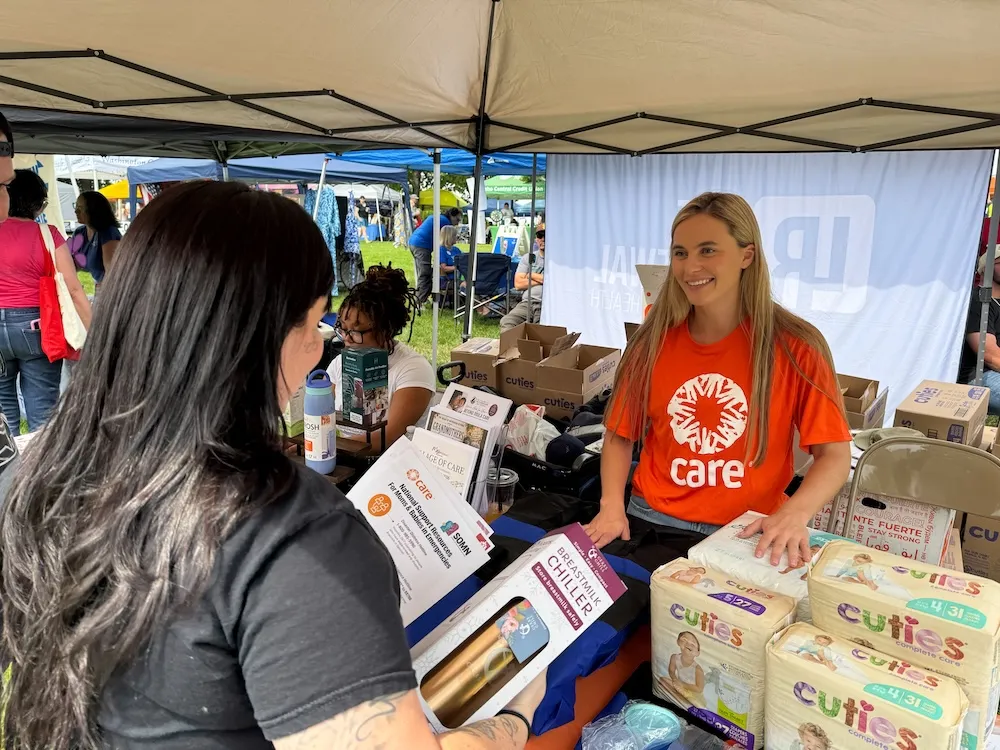
A smiling woman in an orange CARE T-shirt stands behind a table at an outdoor community event, talking with a woman who is holding a breastmilk chiller box. The table is stocked with boxes of Cuties diapers and tip sheets for moms.
Rees Huggins, right, shares diapers and resources with a mom at a CARE PACKAGE® distribution for wildfire-affected families in Spokane, Washington. Photo: Brooks Lee /CARE

CARE works year-round to help local partners and families prepare for disasters. We are:

  • Coordinating with national, state, and local partners to help anticipate and prepare for disaster impacts particularly for low-income families.
  • Convening our CARE Partner Network of community-based organizations like mother/baby programs, domestic shelters, and food banks to provide preparedness training, technical assistance, and resources.
  • Pre-positioning of CARE PACKAGE® kits of essential hygiene and mother and baby supplies for rapid deployment.
Gabrielle Jones, a doula with Birthmark Doula Collective and founder of Dar La Luz Consulting.

Local partner spotlight: Birthmark Doula Collective in New Orleans

“While we are grateful that New Orleans was spared a major hurricane this season, the potential for El Niño-related flooding reminds us that preparedness is year-round. At Birthmark Doula Collective, we remain committed to ensuring pregnant and postpartum people, infants, and families are included in emergency planning and response. Through our Infant Ready™ program, we provide families with emergency preparedness education, infant feeding support, and essential supplies. We are grateful to partner with CARE, whose preparedness funding and CARE PACKAGE hygiene kits will help us expand the resources available to families before, during, and after disasters.”
— Gabrielle Jones, Birthmark Doula Collective, New Orleans, Louisiana

What families can do

Take action to prepare:

  • CARE’s Preparedness Tips: Emergency Preparedness
  • Be alert, monitor the weather, and understand local risks, including flooding
  • Make a communication plan
    • Identify and have at least three emergency contact numbers on hand, and use text when phone lines are down
    • Know school and child care emergency plans
  • Gather key supplies
    • Water, food, hygiene supplies, and power backup (crank/solar charger, power banks)
    • Infant support: diapers, breast pump, milk bags, cooler, and car seat
    • Children’s items: games, coloring supplies, and comfort items
    • Personal needs: critical documents, medications, and comfort items
  • Plan for evacuation and shelter in place
    • Know at least two evacuation routes out of town
    • Identify backup transportation plans if you do not have access to a personal vehicle or if public transportation is limited
    • Identify a small, windowless room on the lowest floor for protection during tornadoes or extreme winds, but move to higher ground or evacuate when flooding or storm surge threatens
    • Always follow local emergency instructions

The storms will keep coming. CARE’s work is making sure the plan doesn’t leave anyone behind.


CARE in U.S. disasters

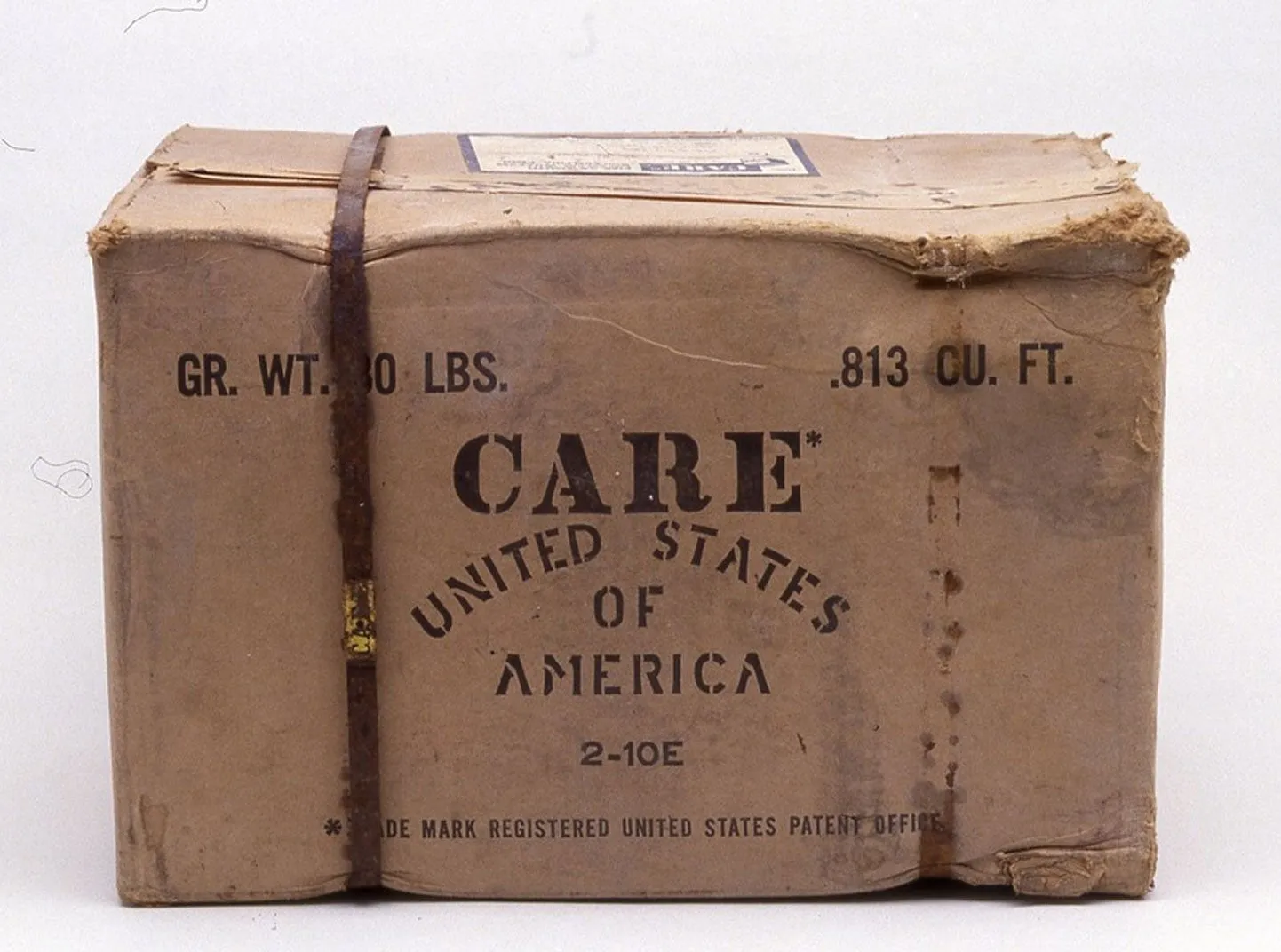
Founded in 1945 when Americans sent CARE PACKAGE® boxes to war-torn Europe, CARE has responded to every major crisis around the world since. In the United States, CARE uses proven strategies and strong networks to expand locally led solutions nationwide to help low-income women and families stay safe, stay healthy, and thrive. In the U.S., we are the only national response organization focused on women-centered recovery because we know that when women have the resources they need, families recover and communities are more resilient. Since 2019, CARE has responded to all types of U.S. disasters from Hurricane Helene to Spokane wildfires and has reached more than 350,000 families across 12 states and Puerto Rico.

Back to Top