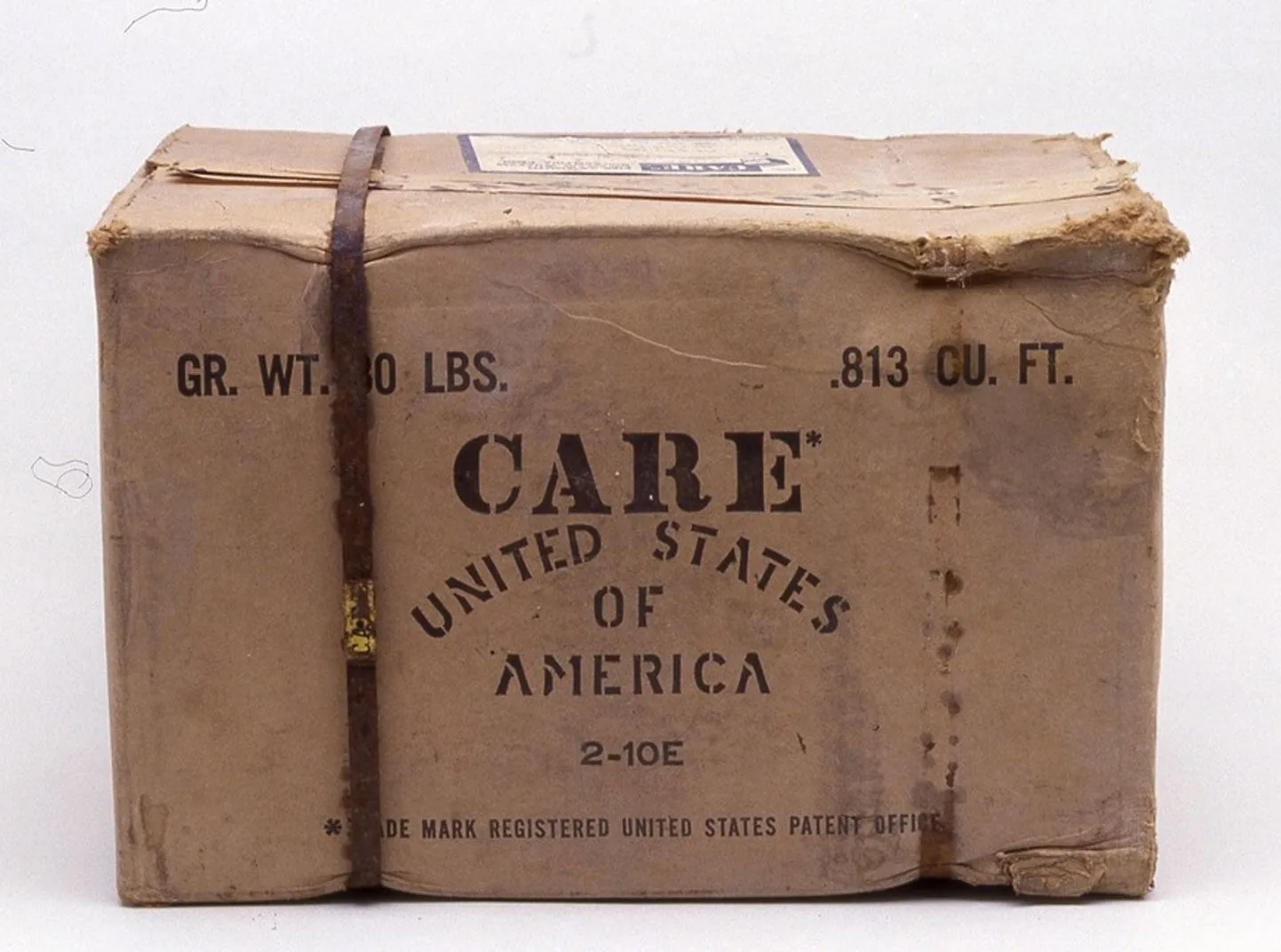
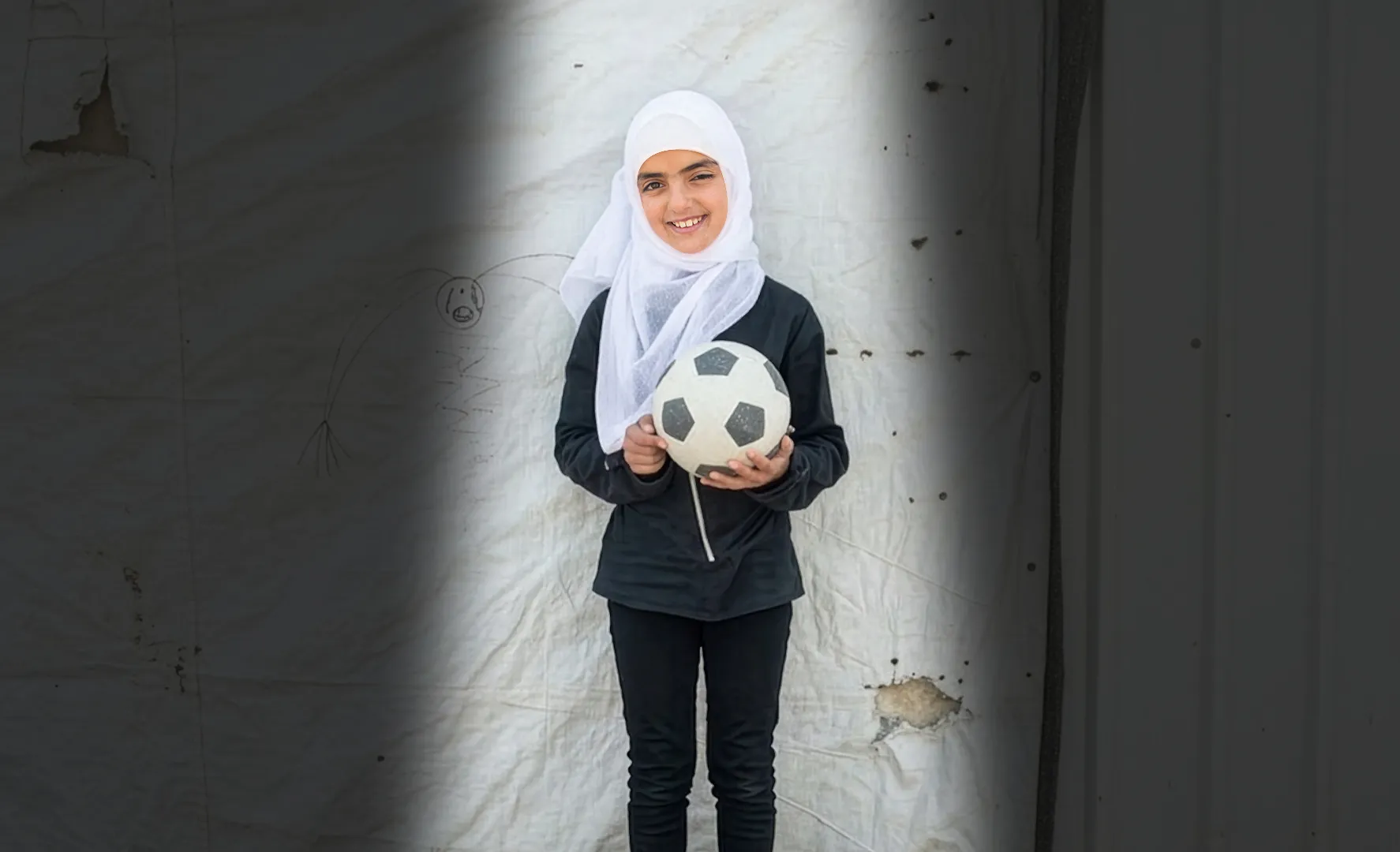
Even in a divided world, durable and impactful collaboration is possible. But if the humanitarian sector wants to make limited funding go further, partnerships need to be built differently. International NGOs and academic research centers bring different strengths to global development challenges, and those strengths can be more powerful when they are combined. A new partnership between CARE and the Center for Effective Global Action (CEGA) is testing what that can look like.
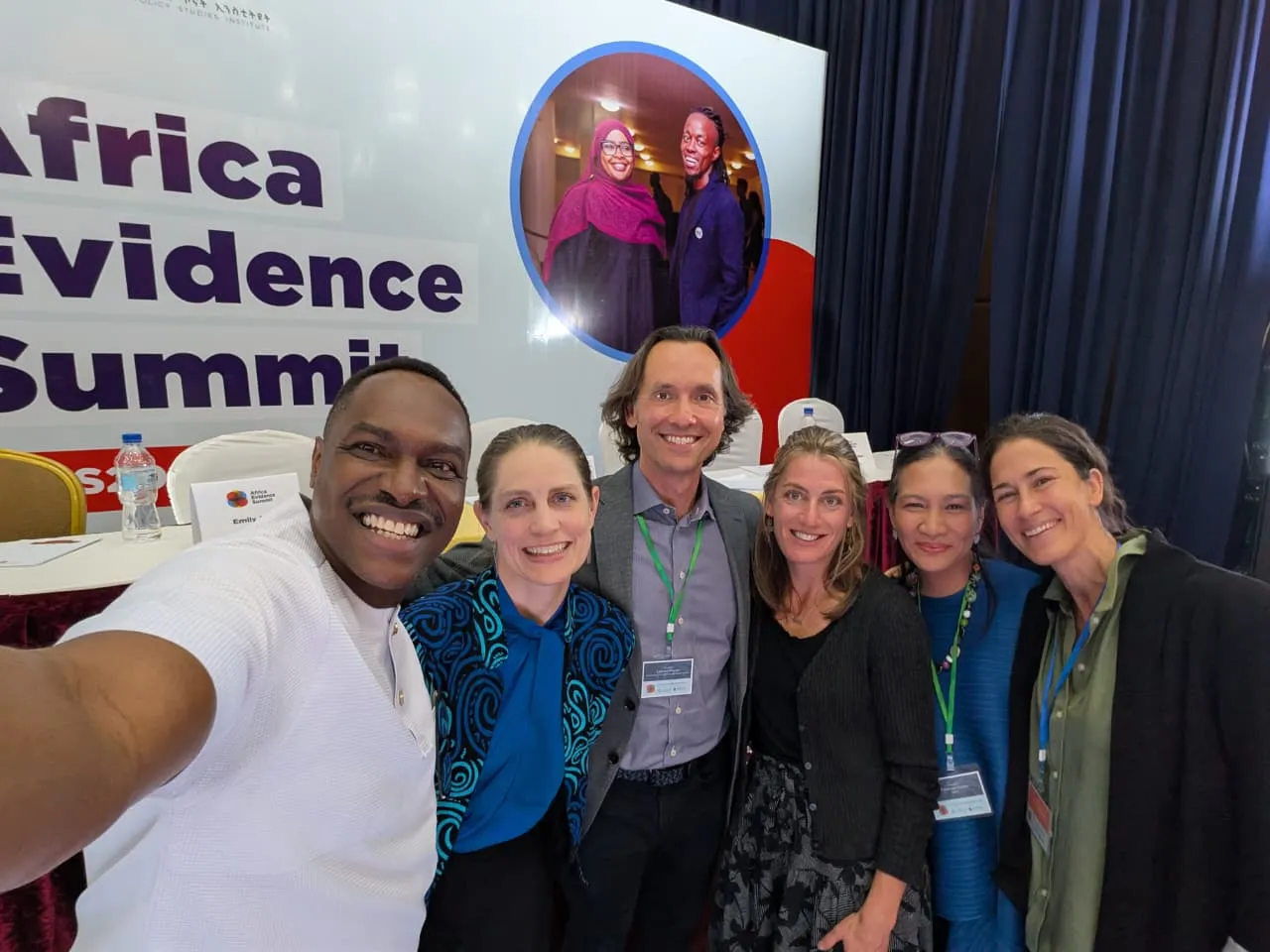
We believe the next major gains in global development will come from treating evidence as a management discipline with true customer focus, not purely as a research product. CARE, a leading international NGO, and CEGA, a leading research center based at UC Berkeley, are building a partnership that keeps communities, implementers, governments, and researchers in the same operating system. This means programs can prove they deliver results in context or can be changed quickly when they do not. We officially launched our collaboration at CEGA’s recent Africa Evidence Summit in Addis Ababa, Ethiopia.
Financial efficiency is one of the most urgent challenges in front of us. Needs are growing as funds are shrinking. Investing in programs that don’t work, won’t scale, and won’t last as circumstances evolve wastes time and money that communities, donors, and organizations cannot spare.
The idea at the center of this partnership aims to mitigate that risk. It’s simple to state, but hard to practice: if a program isn’t delivering more impact per dollar in the specific context where it operates (as judged not just by rigorous evidence and cost data, but also by the local governments, communities, and institutions who own and live with the program’s results), the answer isn’t to defend it. It’s to redesign it.
Making these decisions well requires humility, discipline, and creative, transparent research.
But development financing isn’t traditionally built to do this sort of work. Programs tend to keep getting funded simply because they’re already funded. “Evidence” is often generalized from one setting or one study and assumed to transfer. “Rigor” doesn’t typically imply speed, flexibility, or use of frontier data and methods (like new AI applications, high-frequency data, or non-randomized research designs). “Local ownership” too often means informing communities and governments what NGOs and donors are intending to do rather than letting their feedback change the design. “Proven” pilots can ignore the real complexities of scale, systems, and radically different delivery mechanisms.
CARE and CEGA’s partnership is meant to shift norms, making these values real and routine, not just part of an occasional audit. Here’s how we’re going to do it:
- Make impact per dollar an ongoing measurement, not a slogan.
CEGA runs one of the only dedicated cost-effectiveness analysis labs in the global development space, working alongside GiveWell on cost modeling and the Smart Buys Alliance, among other organizations. Bringing this approach into CARE’s programming means asking not only whether an intervention works, but what it costs to deliver, how it compares with alternative solutions, and whether a given program still represents the best use of scarce funding as traditional aid subsidies shrink and delivery models rapidly shift. - Ground evidence in the people who will live with the outcome and let their feedback change program design, delivery, and even whether a program continues.
Rather than importing a solution because it worked somewhere else, the partnership is built to start any program design with local priorities and ideas, and then use the best available evidence to build from models that are already proven to work. Evidence comes from a range of powerful sources, including CEGA’s own work and beyond. We use faster, more flexible research methods, and new types of data when appropriate (for example, satellite imagery and call detail records), to test and adapt a proven model against the specific politics, constraints, and priorities of each new government and community, ensuring user feedback can actually reach the team designing or implementing a program while there’s still time to redesign it. The information CARE gathers through our established infrastructure, feedback loops, and reach all enable the rigorous research CEGA can conduct. - Fund the unglamorous work of change, not just the headline pilot.
Money tends to be available for testing a new idea in one or two places, and then again once something has reached a full national scale. The intermediate stage is chronically underfunded. This could be reworking a proven idea for a new government, a new political reality, and a different set of local constraints. It’s the stage where “redesign or stop” actually gets decided and when action is taken. It requires long-term, flexible funding for the partnership itself, not funding tied to a single pilot, individual research study, or grant cycle. It also requires a broader coalition of government, private-sector, and NGOs willing to co-invest in the process, not just in one-off projects.
CARE and CEGA have a plan in progress and are keen to press ahead. Areas already under discussion include household biodigesters in Honduras, savings-group models in Tanzania, education in Ghana, and nutrition programming in Nepal. Each of these projects is a candidate for testing whether the impact, cost, and local delivery conditions are strong enough to justify scaling them further. Together, we are also delivering in-depth cost-effectiveness training to CARE technical leads and conducting rapid evidence syntheses to ensure that our approach is informed by existing research.
Development programs should not receive continued funding simply because they worked once, in one specific context. The harder, more pressing question is whether they are working here, whether they are worth the cost, and whether they can succeed at scale.
Answering those questions takes more than a one-time evaluation. It requires a system that allows programs to be tested, adapted, and tested again as circumstances change and new evidence and local feedback emerge. For donors, supporting that kind of long-term learning can help ensure limited funding goes toward approaches with the strongest evidence, the clearest value, and the best chance of lasting impact.