
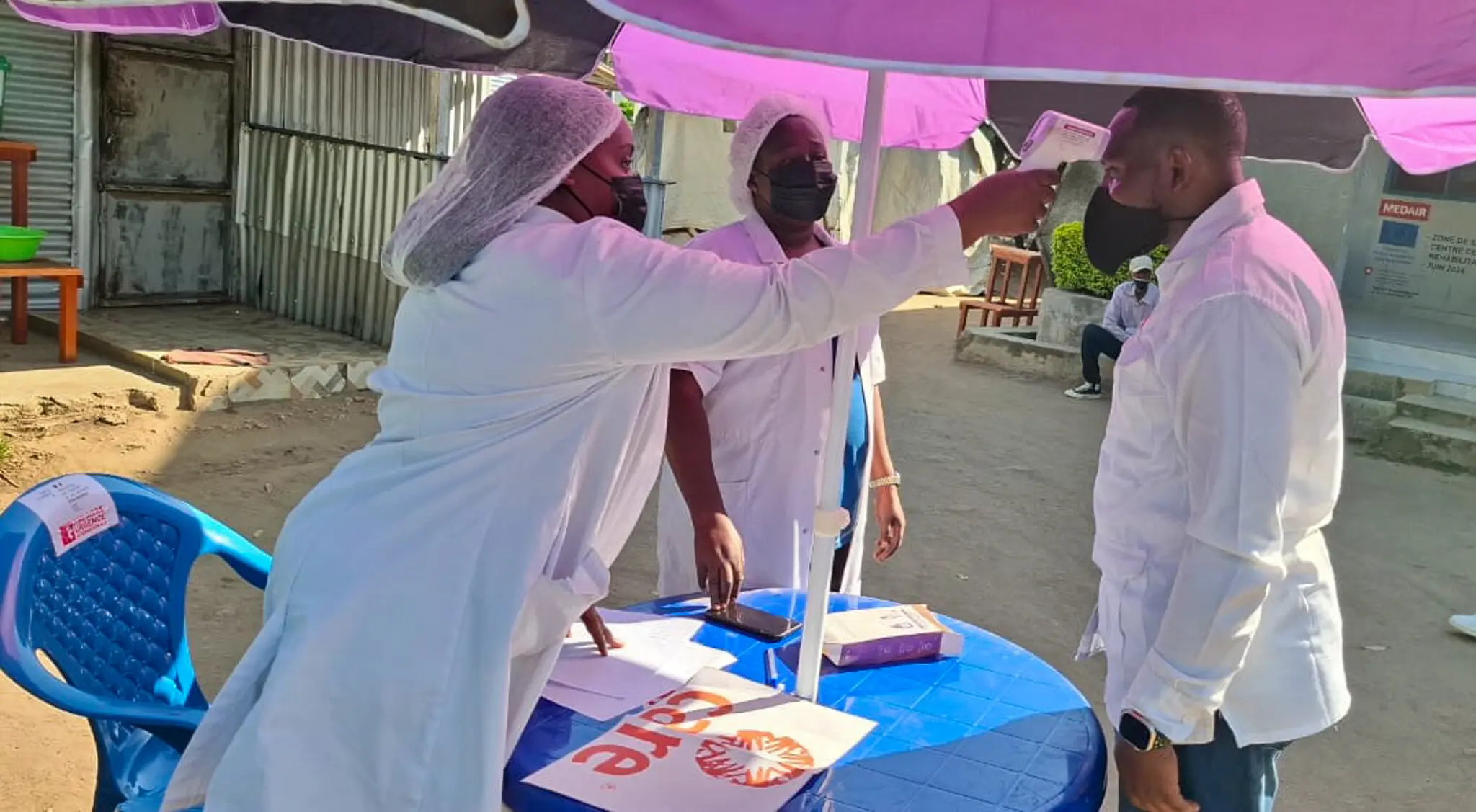
More than 2,000 Ebola cases have now been reported, and the World Health Organization is warning that this outbreak is “spreading faster than any previous one.” Global funding cuts have severely weakened DRC’s health system and the humanitarian response infrastructure, but CARE has been working with local partners since the beginning of the outbreak to help protect and inform communities about the disease.
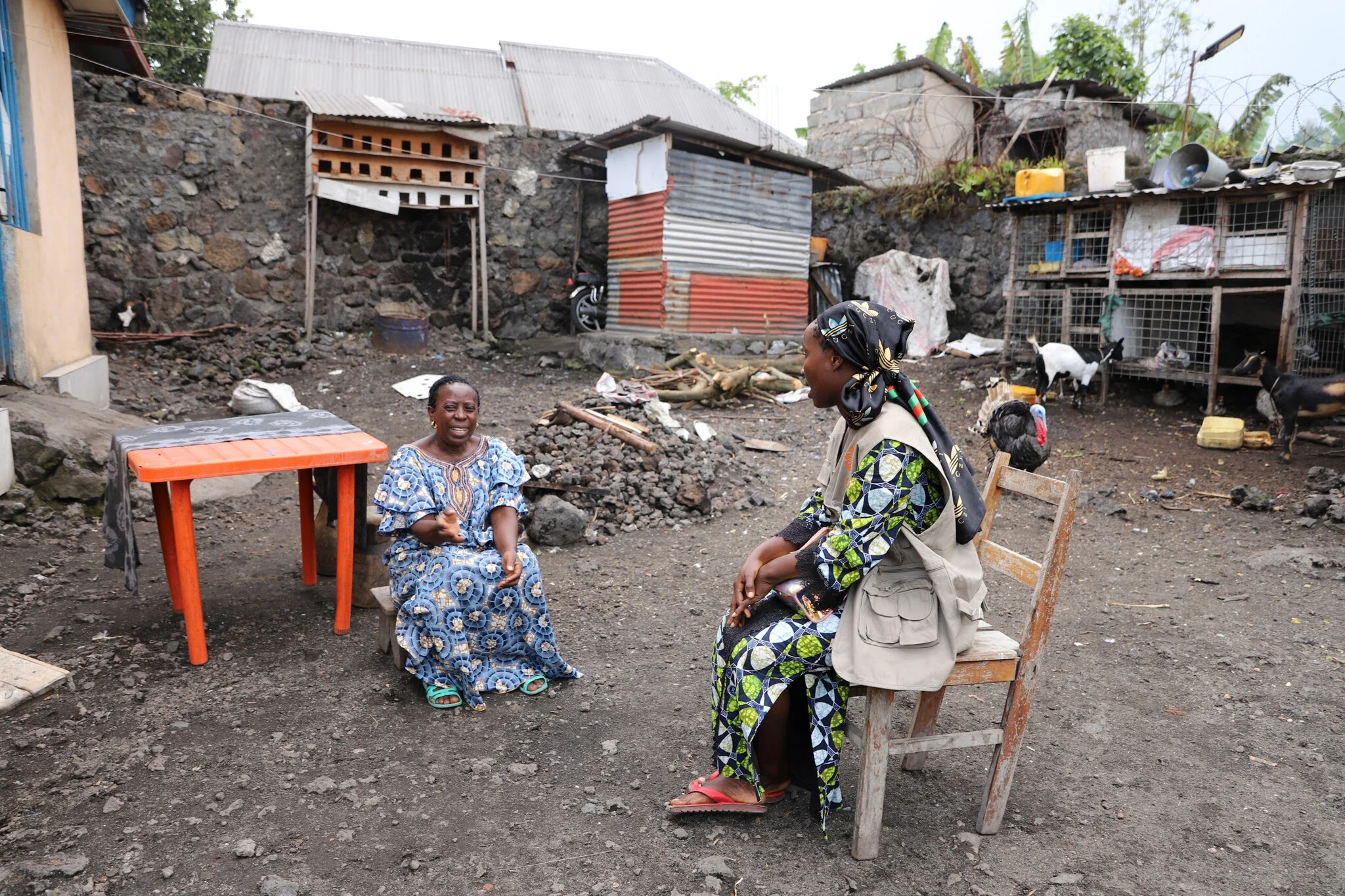
CARE has sent more than 500 trained community health workers to the front lines, where they encounter daily challenges, including the threat of Ebola. Outreach teams go door to door, speaking to people about the outbreak and ways to keep themselves safe. But workers report facing misinformation, rejection, and resistance from communities that have been worn down from conflict and ongoing humanitarian crises.
As of publication, more than 210,000 people have been reached with Ebola prevention messages across North Kivu and Ituri provinces. But Bocoum says that, “is just a small percentage of the estimated millions of people at risk.”
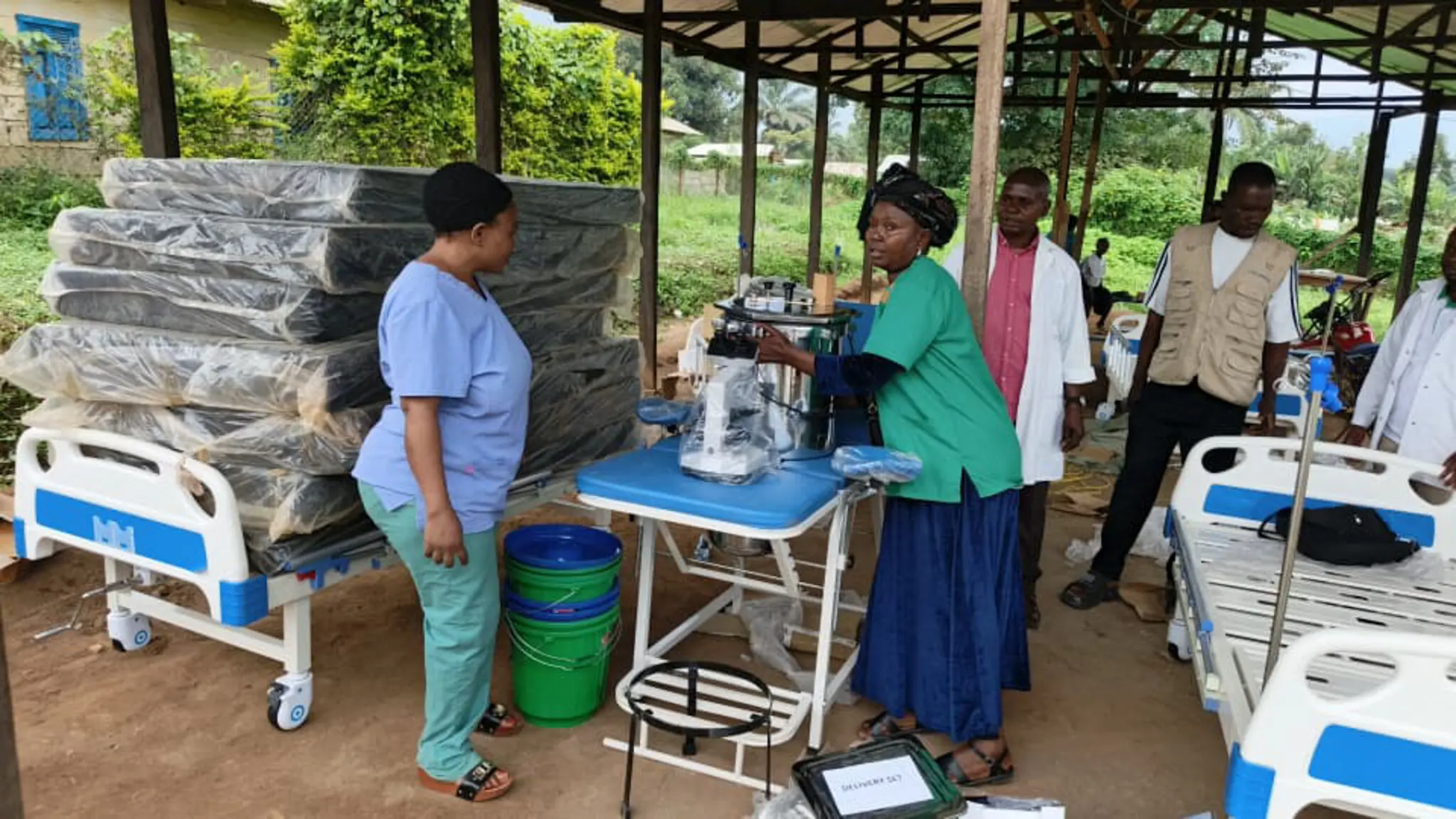
In remote areas of DRC, CARE drivers face numerous obstacles that can delay or derail their journeys to deliver critical medical supplies. Drivers must rely on creative thinking and sheer determination to get through muddy, flooded, and tree-riddled paths during the rainy season. They continue to be a lifeline for isolated communities. Recently in the Ituri province, a delivery of new hospital beds strengthened a CARE-supported health facility’s capacity to admit and monitor patients.
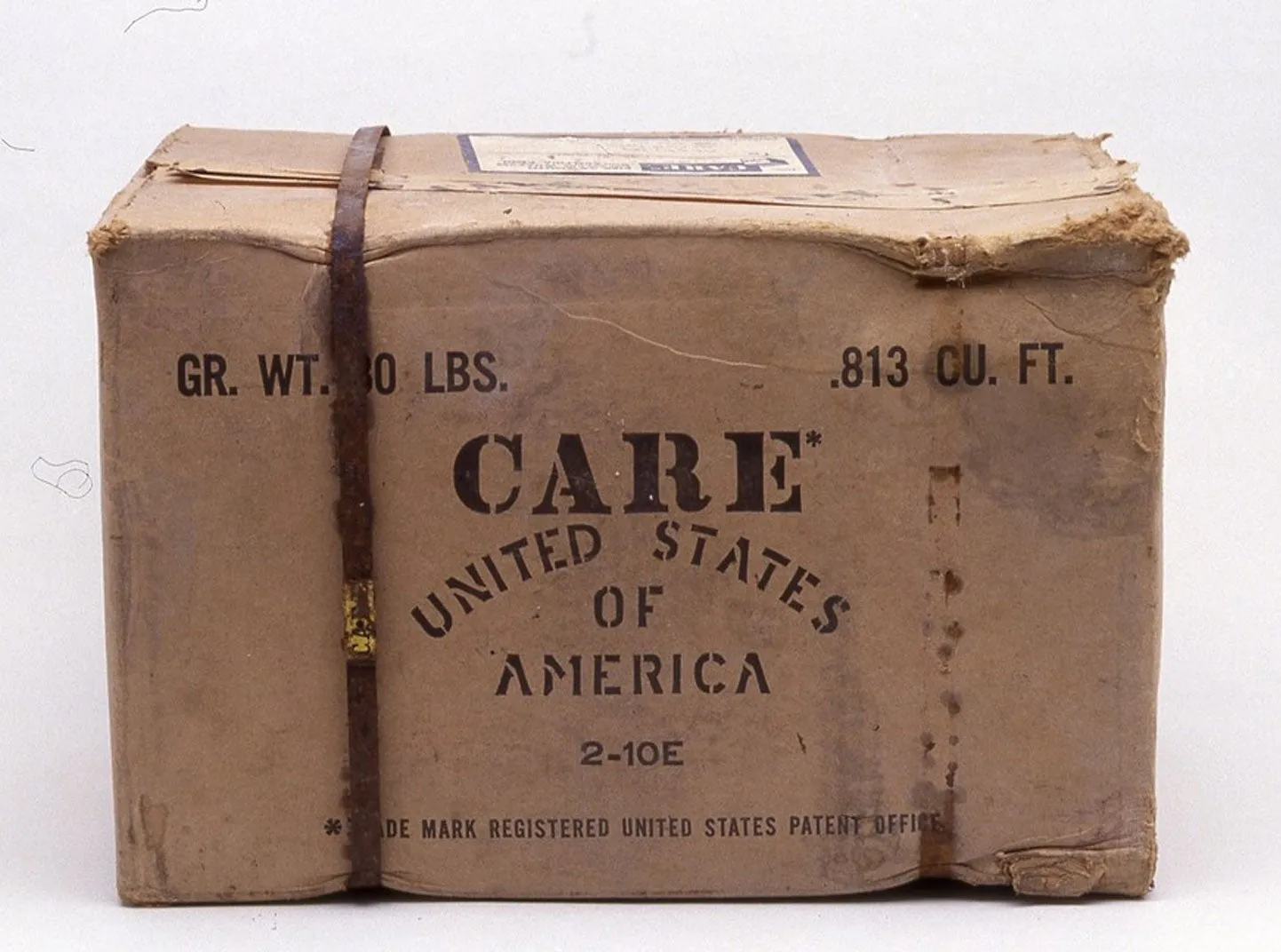
Despite all the difficulties and shortages in funding, staffing, and supplies, Bocoum says CARE remains committed to assisting those in need. But more help is needed, and needed quickly.