After years of drought, flooding could now push parts of Somalia toward famine

By Becca Mountain October 22, 2026

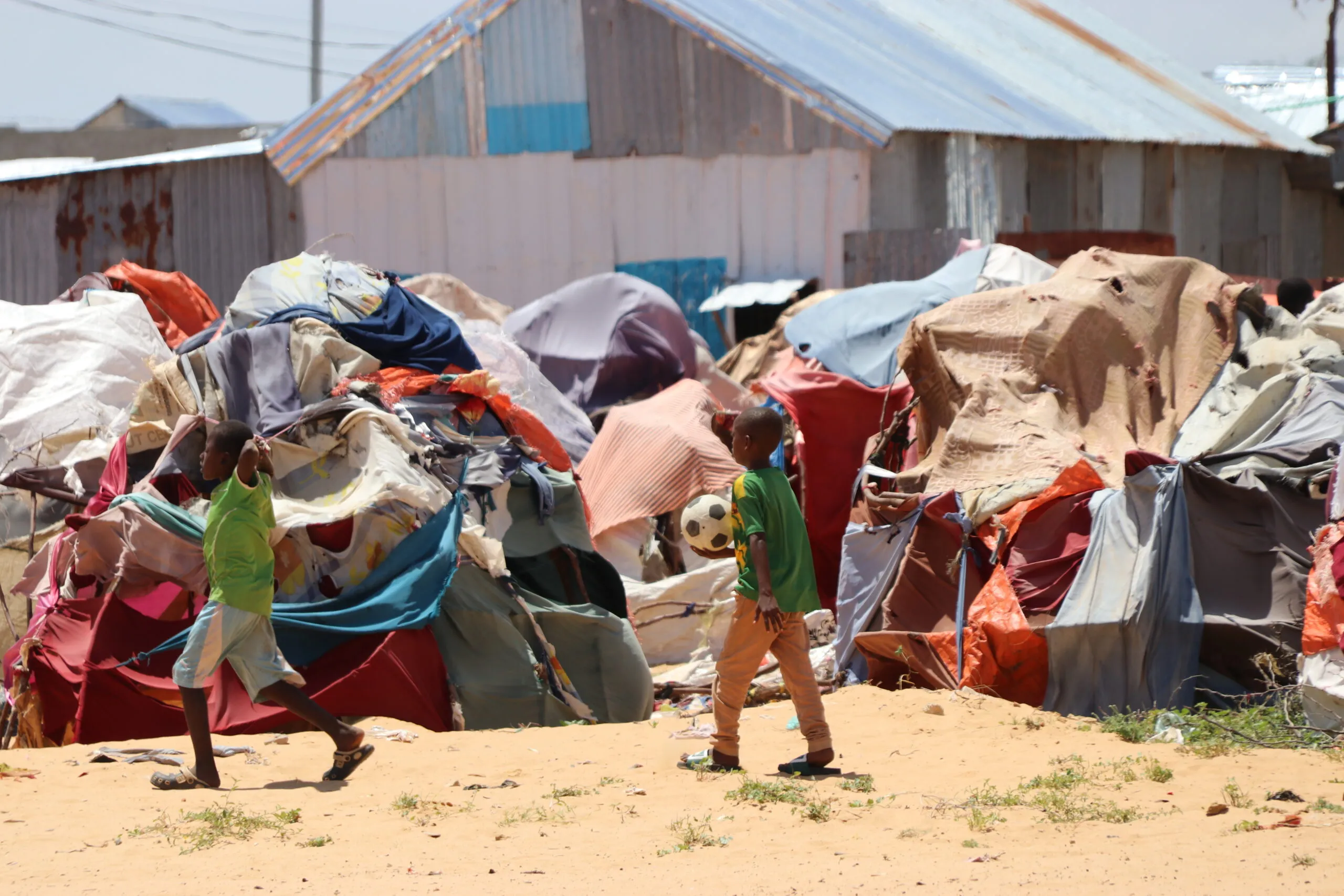
Two children walk between tightly packed makeshift shelters covered with tarps and fabric in a displacement camp in Mogadishu.

New arrivals crowd a Mogadishu displacement camp even as humanitarian services have closed amid funding shortages. Photo: Sarah Easter/CARE

Somalia narrowly avoided famine during its most recent major drought, but many of the health centers, food assistance, and nutrition programs that helped prevent it have since closed. Now, forecasters warn that El Niño flooding in the coming months could push the country’s hardest-hit communities toward famine.

Somalia has two rainy seasons. The second, called the Deyr, usually runs from October to December. Recent forecasts project that the 2026-2027 El Niño season may make the Deyr far more severe, bringing heavy rain and flooding before the end of the year.

For families who have spent years watching crops wither and livestock die, more water might sound like relief. It is not.

Deyr rain can become torrential, triggering flash floods and causing rivers to overflow. During the 2023 El Niño floods, 1.2 million people were displaced across Somalia. This year, Somalia’s disaster authorities estimate that 2.5 million to 3.5 million people could be exposed to flooding, with as many as 1 million at risk of further displacement.

In 2023, forecasts allowed the Somali government, World Food Programme (WFP), and other partners to send early warnings, distribute cash before flooding began, and pre-position supplies in high-risk areas. Similar preparations are underway this year, but much of the network that made that possible no longer exists.

The people in the path of the flooding have already lost nearly everything. Years of failed rains killed their livestock and destroyed their harvests, driving many into displacement settlements that sit on low ground near the rivers. Some communities hit by the 2023 floods are still living with destroyed homes, damaged irrigation systems, and lost herds three years later.
How flooding makes hunger worse

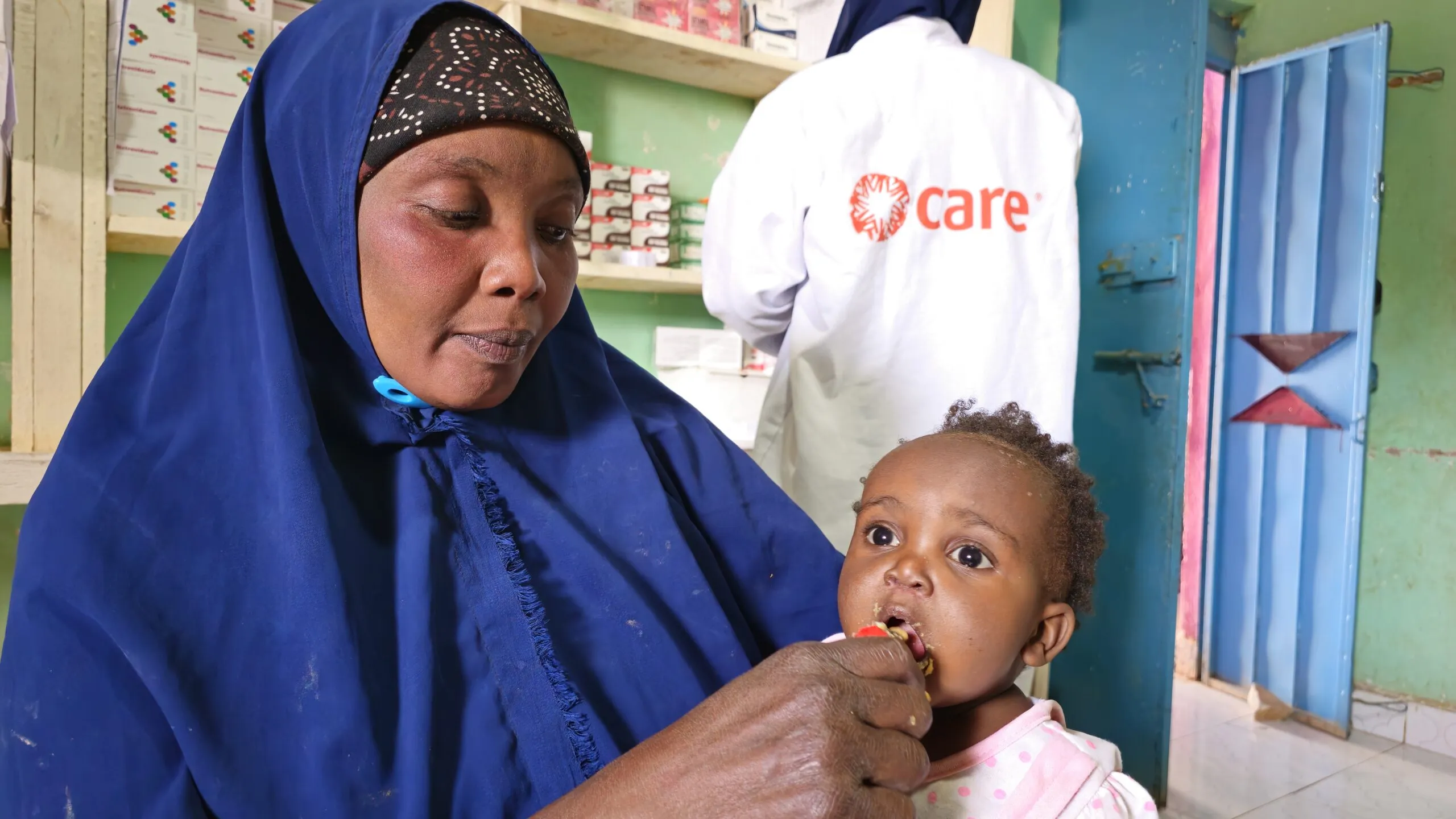
Aisha, wearing a blue hijab, feeds her 1-year-old daughter, Shukri, inside a CARE-supported health center.
Mother Aisha feeds her 1-year-old daughter Shukri at a CARE-supported health center near Dhahar, Somalia. The health center was forced to close at the end of September 2026. Photo: Sarah Easter/CARE

Floodwaters do more than destroy homes. They can wipe out crops and livestock, cut off roads to markets and health facilities, eliminate other sources of income, and force families to leave their homes in search of safety, income, and stability.

For people who are eating too little, these losses can quickly deepen hunger.

Between October and December, 5.4 million people are projected to face Crisis levels of hunger or worse. Nearly 1.5 million are expected to reach Emergency, when families face severe food shortages or must exhaust the assets they rely on to survive.

Around 26,000 displaced people in Baidoa are projected to reach Catastrophe, the highest household classification on the IPC scale. At that point, families still cannot meet their basic food needs even after exhausting extreme ways of coping. People can face starvation, destitution, extremely critical levels of acute malnutrition, and a sharply increased risk of death.

The IPC warns that under a plausible worst-case scenario involving more severe flooding and displacement, displaced communities could face a risk of famine by the end of 2026.

Hunger, disease, and fewer services to respond

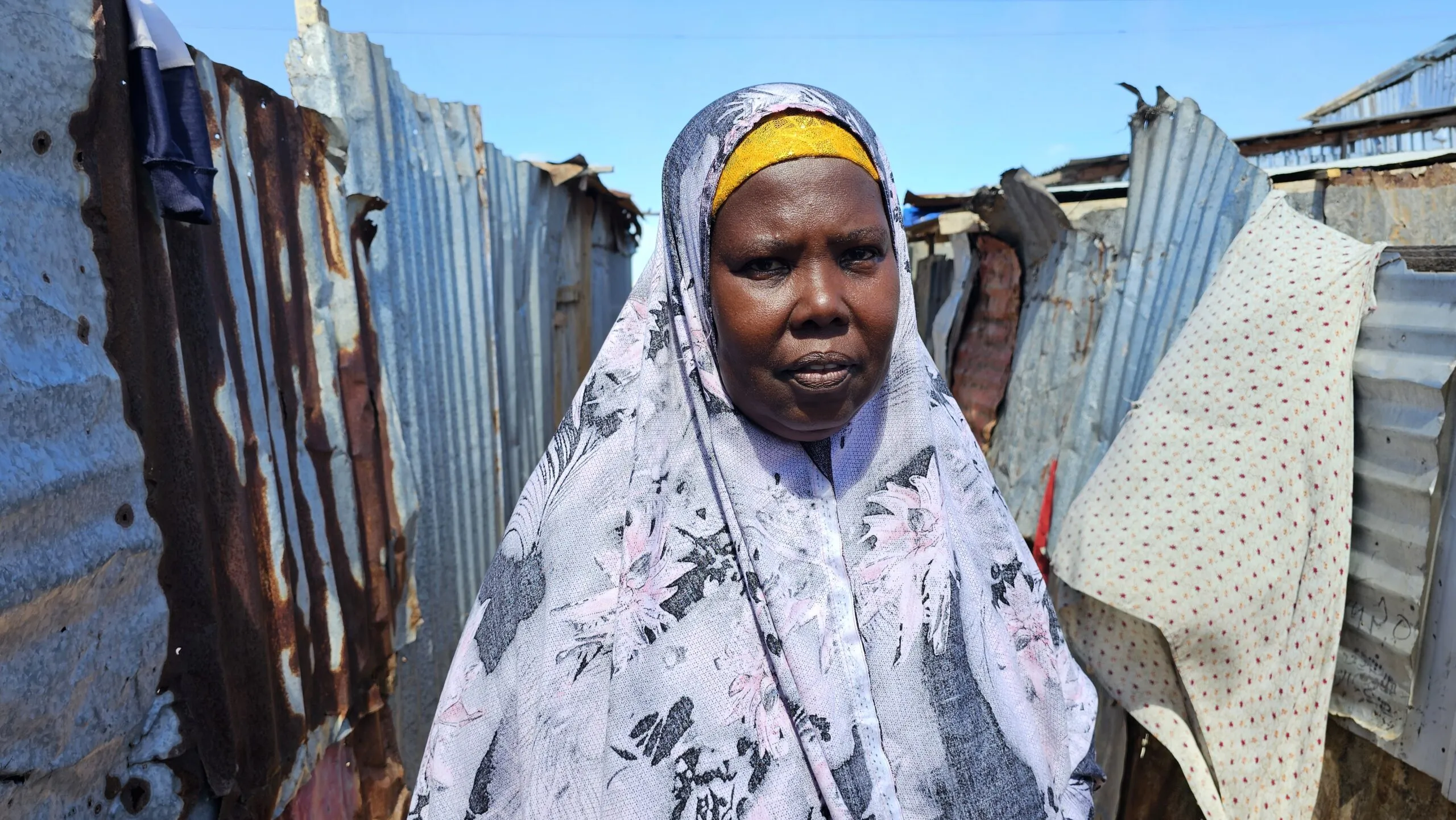
Fadumo stands between corrugated metal shelters, wearing a patterned white and lavender hijab with a yellow head covering.
Fadumo, 42, fled violence in Somalia’s Hiiraan region and now lives with her children in a displacement camp outside Mogadishu. Photo: Sarah Easter/CARE

Flooding also brings another danger to people who are already malnourished: disease. Floodwaters can contaminate drinking water, damage toilets and sanitation systems, and increase the risk of diarrhea and other waterborne illnesses. Somalia is already contending with disease outbreaks, including cholera, measles, and diphtheria.

For young children, malnutrition and illness can reinforce each other. Malnutrition weakens the body’s ability to fight infection, while illnesses such as diarrhea can make it harder to absorb nutrients, increasing the risk of dehydration. A child who is already experiencing hunger can become much sicker, much faster. Nearly 1.92 million children under five are expected to require treatment for acute malnutrition between July 2026 and June 2027, including 433,000 with severe acute malnutrition.

But the services designed to interrupt that cycle are shrinking.

Somalia’s humanitarian response relies heavily on funding from governments and other international donors. Since early 2025, humanitarian funding has fallen sharply as major government donors have reduced foreign assistance, with cuts in U.S. funding accounting for a significant part of the decline. This has forced the closure of many health, nutrition, food, water, and cash programs.

In one displacement camp outside Mogadishu, those losses have happened all at once. Since May, health services, water distribution, food assistance, emergency cash, and safe spaces for women and girls have stopped. Fadumo, a 42-year-old mother living there with her extended family, says they now plan only “day by day, hour by hour.” When money comes in, she says, the most urgent need is always food.

Across Somalia, more than 230 nutrition centers have closed, and an estimated 1.1 million women and children are expected to lose access to treatment and preventative nutrition services. Of the 75 CARE- and partner-supported facilities that have been treating acute malnutrition in the country, only six are expected to remain operational after September. Admissions to stabilization centers for children with severe acute malnutrition have already risen by 40%.

“We are being forced to close lifesaving health centers not because the need has disappeared, but because the funding has,” says CARE Somalia country director Ummy Dubow. “If these facilities shut their doors just as the rains arrive, the consequences will be measured in children’s lives.”

The window to prevent famine closes when the roads do

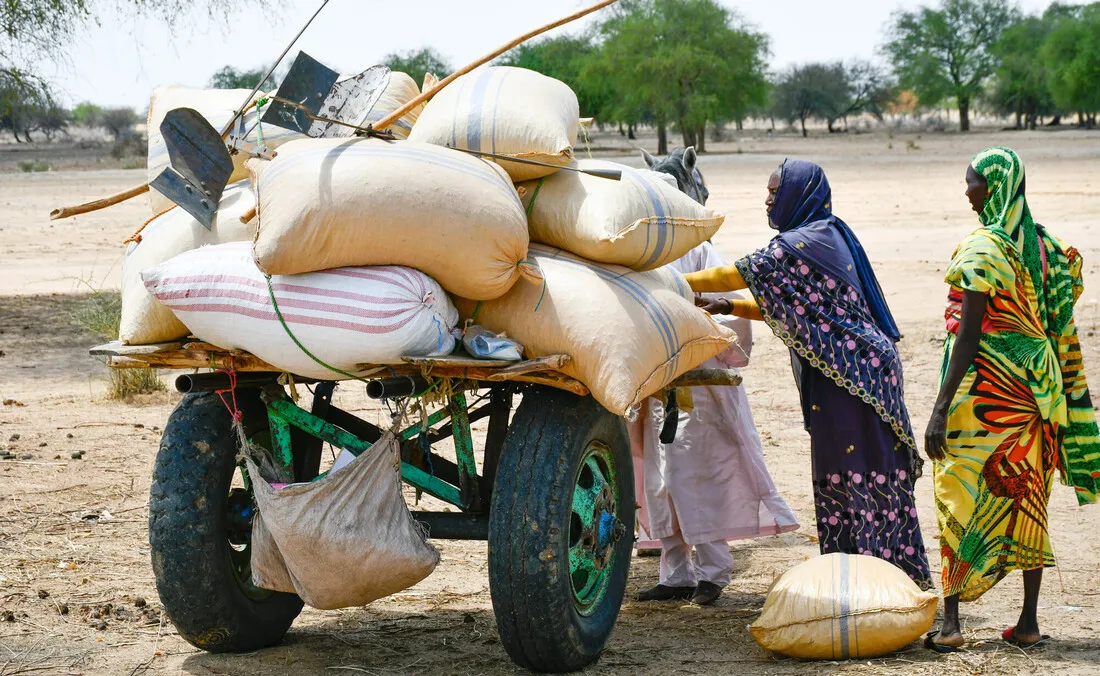
Women loading big white bags on top of a cart in a desert-type environment.
Women farmers, members of women's groups in East Darfur, receive improved seeds and agricultural tools on a cart in Abu Karinka, East Darfur. The supplies will be used for their vegetable farm. Photo: CARE

Early forecasts give Somalia time to act before the worst flooding begins.

The government and humanitarian organizations, including CARE, are using forecasts to identify high-risk communities, issue warnings, prepare evacuation plans, and position assistance before roads become inaccessible. CARE is working with local partners, authorities, and communities to provide cash assistance, healthcare, nutrition support, and protection services, including support for women and girls, where funding allows.

But early warnings only work if communities have the resources to respond. CARE is calling for increased, flexible humanitarian funding, greater support for local and women-led organizations, and safe humanitarian access so food, medicine, clean water, cash, and other assistance can reach people before and during flooding.

Timing matters, too. Once floodwaters cut off roads and transportation routes, reaching displaced communities, delivering food and medicine, or helping people move to safety becomes much harder. Families can also lose access to markets, health facilities, clean water, and other essential services just when they need them most.

Somalia saw the value of acting early in 2023, when forecasts triggered cash assistance and warnings before floodwaters arrived. The goal now is not to wait for famine to be declared, but to prevent communities from reaching that point.


CARE has been working in Somalia since 1981. Our main program activities since then have included projects in water and sanitation, sustainable pastoralist activities, civil society and media development, small-scale enterprise development, primary school education, teacher training, adult literacy, and vocational training. We work in partnership with Somali and international aid agencies, civil society leaders, and local authorities.

Most recently, CARE has broadened its work to include economic empowerment, food and nutrition security, humanitarian response, and reproductive health.

Support humanitarian workers around the world

Around the world, CARE staff continue serving families through conflict, disasters, and crises. Your help makes that work possible.

Donate now.
Back to Top