
- Crisis Response
News & Stories
Women and Girls
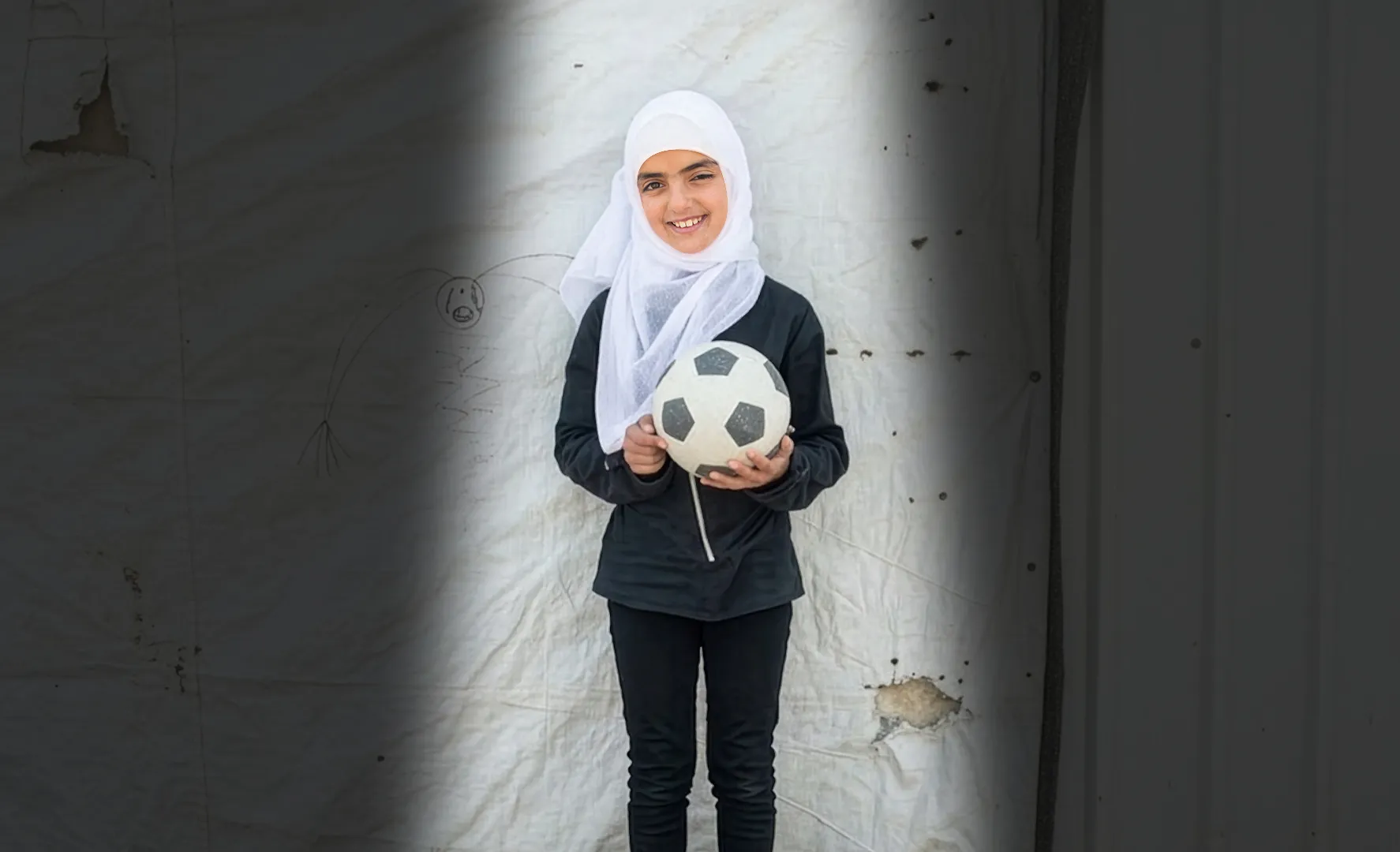
International Day of the Girl Child: ending child marriage by investing in girls’ rights
By Iffat Khan • October 11, 2026
Food and Water
Closer to home: Helping children recover from severe malnutrition in Ethiopia
By Massresha Tadesse and Becca Mountain • October 8, 2026
View news and stories by topic:
Rwanda: How addressing the roots of violence at home can help families facing food shortages now
Many women are at risk of violence in Rwanda. According a recent government study, 1 in 3 married women reported experiencing physical violence from their partners, and 46% of married women have experienced spousal physical, sexual, or emotional violence. But all of that can be improved when couples join Indashyikirwa – which means ‘agents of change’ in Kinyarwanda– and examine the dynamics in the
Read MoreBarbara’s story: From food insecurity to financial power in Ghana’s cocoa fields
Barbara Sika Larweh is a volunteer community organizer in the cocoa-growing region of Ghana who has persuaded many women in several villages to grow their own food and join their local village savings and loan program.
Read MoreCelebrating humanitarian action this Thanksgiving
This week, Americans are heading into Thanksgiving, a holiday where most of us eat way too much and celebrate the gifts we have in life, our families and friends, and the things we appreciate. It’s an important moment to remember that millions of people around the world are struggling to meet the very basics—including having enough food to eat at all. One of the things I am thankful for every year
Read MoreHelp CARE respond to emergencies.
CARE is there delivering lifesaving aid and defending the lives of families in crisis.
Barack’s lamp: Raising environment ambassadors in Uganda
CARE Uganda has started a solar initiative to help address the global and local challenges of the climate crisis. With funds from Innovation Norway and Novo Nordisk, CARE has established solar-powered kitchens in community centers in southwestern Uganda, as well as in the Kinakyeitaka Primary school where students study new ways of tackling the challenges of the climate crisis.
Read MoreBuilding everyday climate resilience in Ethiopia
Climate change is here now in Ethiopia. Sudden heavy rains have caused flooding and landslides around the capital city of Addis Ababa, while in the nearby Amhara region, drought has forced women and girls to walk for hours to find water. Already by 2017, roughly 23 million people here had insufficient income to meet their food needs, and by 2021 an estimated twenty percent of the country’s 120 mil
Read MoreWinter and war at Ukraine’s edge
At the beginning of the war, hundreds of thousands of Ukrainian refugees came through Przemyśl, a small historic city about two hours drive from Przewodów, near the Ukrainian border. Ukrainian House, a cultural center in the middle of town, quickly responded, turning their facility into a temporary accommodation center by rolling bunks into their theater, constructing new bathrooms, and converting
Read MoreJournalists are free to use material from CARE.org without permission. Please tag us on social media and be sure to include proper credit for photos and videos.
For press inquiries, view our Press Resources page or contact us at usa.media@care.org.