Fill the Nutrition Gap Program (FNGAP)

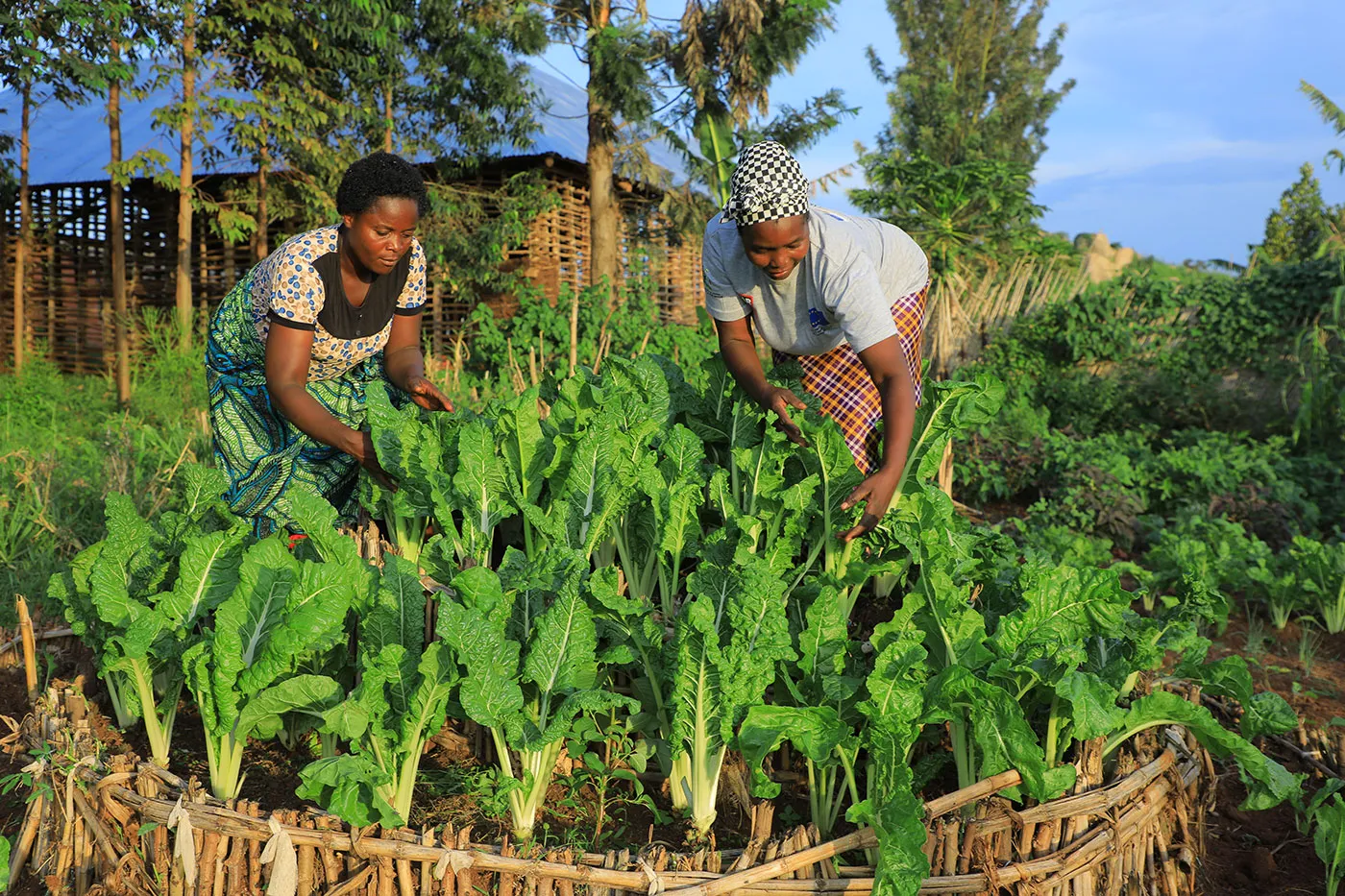
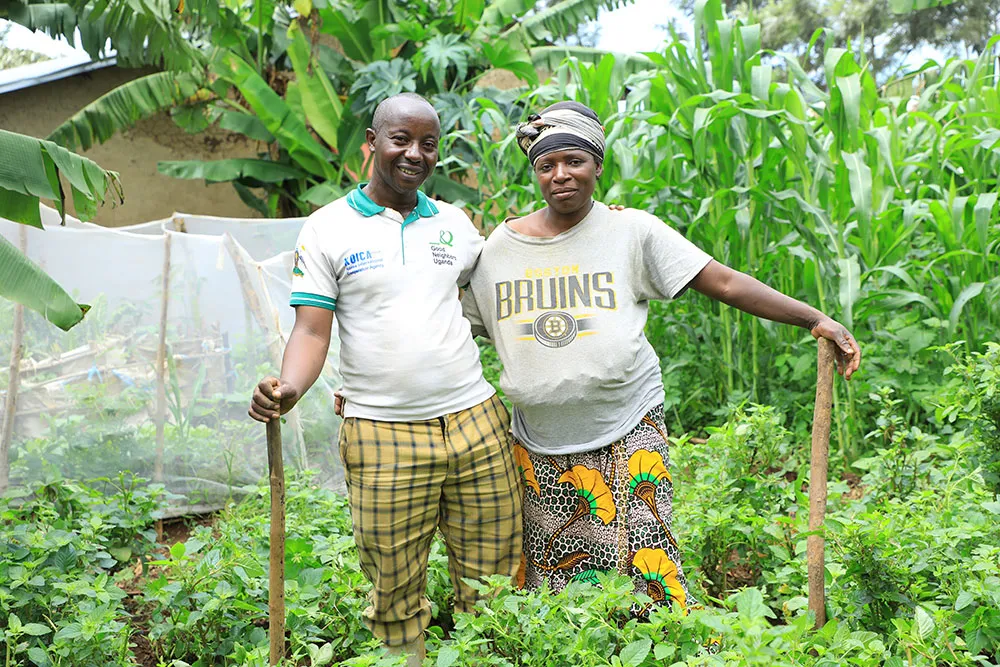
Two women work together in a field on a sunny day.

From 2023 to 2026, FNGAP reached more than 760,000 people across nine countries. The program has improved nutrition, prevented anemia, and strengthened the resilience of families and communities at most risk of food insecurity.

FNGAP’s approaches

FNGAP’s integrated approach addressed the underlying drivers of poor nutrition through four key strategies:

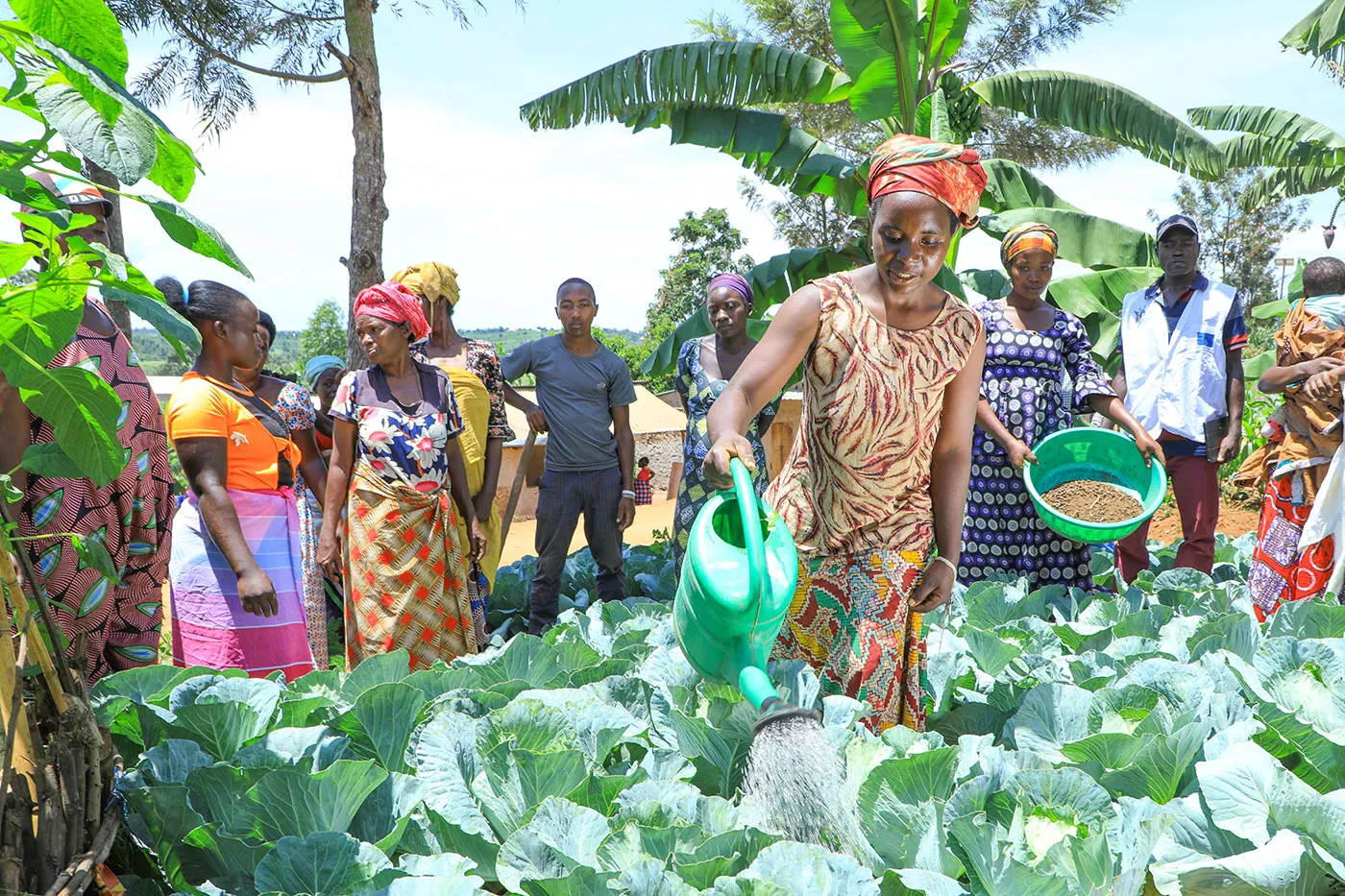
  1. Home gardens and diversified food production: Using CARE’s Farmer Field and Business School (FFBS) approach, FNGAP helped families grow their own nutritious food using climate-smart techniques and locally adapted seeds. Some families also raised small livestock for protein and additional income.
  2. Targeted nutrition commodities: To address hidden hunger and iron deficiencies directly, FNGAP delivered context-specific support including iron-folic acid supplements, fortified supplementary foods, nutritious food vouchers, and the Lucky Iron Leaf cooking tool.
  3. Social and behavior change:  Through cooking demonstrations, peer groups, frontline health workers, and radio campaigns, FNGAP improved nutrition knowledge and practices — helping families adopt lasting changes in how they feed, care for, and nourish their children.
  4. Women’s empowerment and economic agency: FNGAP supported women’s financial independence through Village Savings and Loan Associations (VSLAs), strengthened their leadership and decision-making skills, and engaged men as active partners in household health and childcare.

The result: stronger communities, more capable local systems, and families better equipped to thrive.
FNGAP program achievements:

760k+

people reached

47k+

households supported

22k+

home gardens established

Stories of change:

“Our garden became a gold mine. We eat nutritious meals, sell the surplus, and save money. Now, we no longer worry about our next meal.”

– Clodia, Kyaka II Refugee Settlement, Uganda

“Before, I could not ensure that my children had what they needed to grow up healthy. Today, they not only have food, but also attend school.”

– Carolina, Chuiabaj, Totonicapán, Guatemala

FNGAP Overview

In drought-prone areas of Ethiopia, FNGAP improved access to and consumption of nutrient-rich foods for pregnant and lactating women and children under two.

FNGAP in Guatemala

With FNGAP, every seed planted not only feeds families but also sows equality and hope for a more secure future.

Watch Video

FNGAP in Nepal

FNGAP aims to enhance the nutrition of women and children in districts disproportionately affected by malnutrition.

Watch Video

FNGAP in Uganda

JESE and CARE have partnered to implement FNGAP in Kyegegwa district, aiming to boost nutrition and food security.

Watch Video