
School meal programs

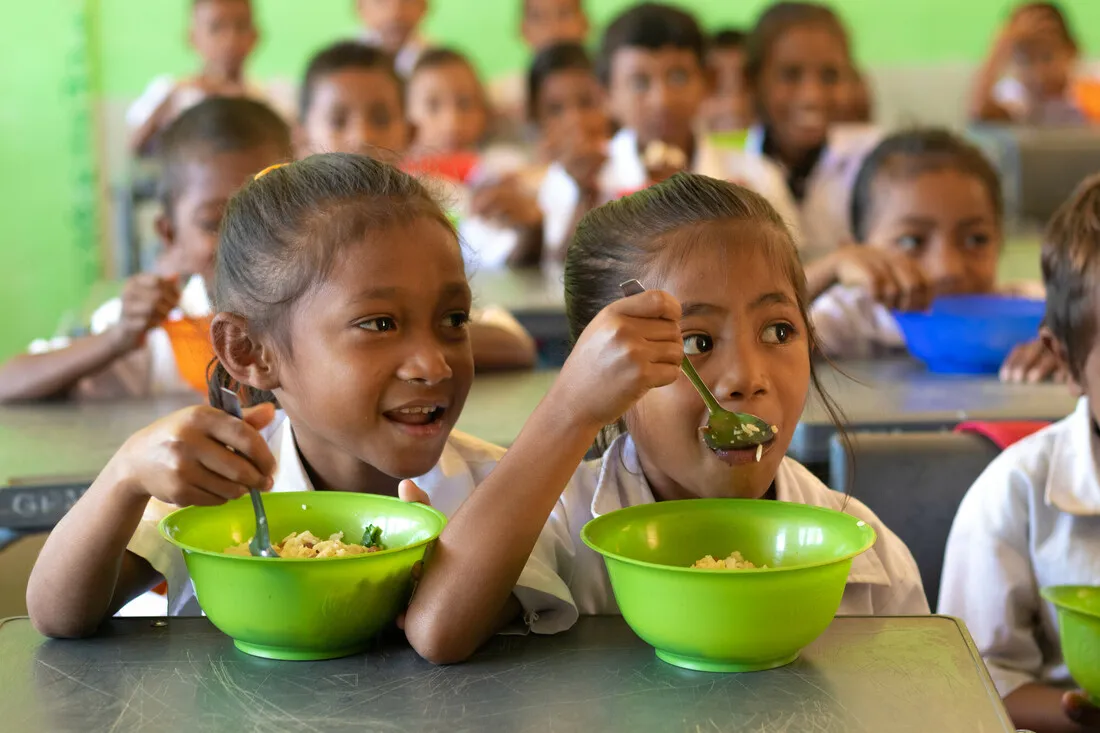
The HATUTAN project seeks to improve literacy outcomes and improve health, nutrition, and dietary practices for primary school children in 440 schools and surrounding communities in Timor-Leste. Photo credit: © 2022 Sarah Wiles/CARE

School meal programs do more than provide food. When designed well, they strengthen education systems, improve child nutrition, and support local economies.

Hunger affects millions of children worldwide

Around 400 million children worldwide do not receive the nutrients they need to survive, grow, and learn. Hunger and poor nutrition can make it difficult for children to concentrate in school and can reduce attendance and learning outcomes.

Why are school meal programs important?

School meal programs help ensure children receive the nutrition they need to learn, grow, and thrive. By partnering with governments, farmers, and communities around the world, CARE supports sustainable school feeding systems to improve child nutrition, strengthen education outcomes, and create reliable markets for locally produced food.

School meal programs are one of the most effective ways to address both hunger and education challenges. Providing nutritious meals encourages children to attend school regularly, and improves focus and learning outcomes, particularly in at-risk and rural communities.

At the same time, school feeding programs can strengthen local economies. Home‑grown school feeding models that purchase food from local farmers and producer groups – particularly when using regenerative agriculture practices – can create stable markets for nutritious foods, support rural livelihoods, and strengthen local food systems.

CARE works with governments and communities to build sustainable school feeding systems that improve nutrition, support education, and strengthen local food systems.
400M

children globally lack adequate nutrition

>150k

children received meals through CARE programs in 2025

36%

increase in school attendance after meals were introduced in Malawi

How does CARE support school feeding programs?

CARE partners with governments and ministries of education to design and strengthen sustainable, nationally led school feeding programs.

Our approach focuses on improving both the quality of school meals and the systems that deliver them. CARE supports schools and governments to:

  • Introduce protein-rich foods into school meals, responding to student nutrition gaps.
  • Strengthen food safety, hygiene, and nutrition education
  • Improve monitoring systems so schools can prepare meals based on student attendance and reduce waste
  • Link schools with local farmers and producer groups who supply nutritious foods

CARE also helps strengthen local agriculture systems. Through its Farmer Field and Business School (FFBS) model, CARE has helped more than 5 million farmers increase production of locally grown food. Farmers can then supply food directly to school feeding programs, creating reliable markets while improving meal quality. For example, locally produced foods such as fish powder, cowpeas, moringa, and peanuts can provide essential nutrients that many children may not receive at home.

CARE is working with schools to incorporate innovative sustainable protein sources in meals, for example through insect-rearing units in schools in Uganda. CARE is also supporting schools to set up gardens to produce nutritious foods for meals and enable students to learn about regenerative agriculture practices.

Program achievements

CARE’s school meal programs are helping governments expand access to nutritious food while improving children’s learning, health, and school attendance.


Timor-Leste

The USDA-funded HATUTAN program (2018–2025) supported 563 schools to provide school meals, reaching 87,977 children with protein-rich food.

CARE’s research and advocacy also helped strengthen national policy. The government increased its school feeding budget from $0.25 to $0.42 per child per day, allowing nearly 90,000 additional students to receive meals nationwide.

Program research shows strong learning impacts:

  • Grade 2 students receiving school meals read nearly twice as fast as those who did not receive meals.
  • School meals helped reduce COVID-19 learning losses by 42% for reading comprehension.

Malawi

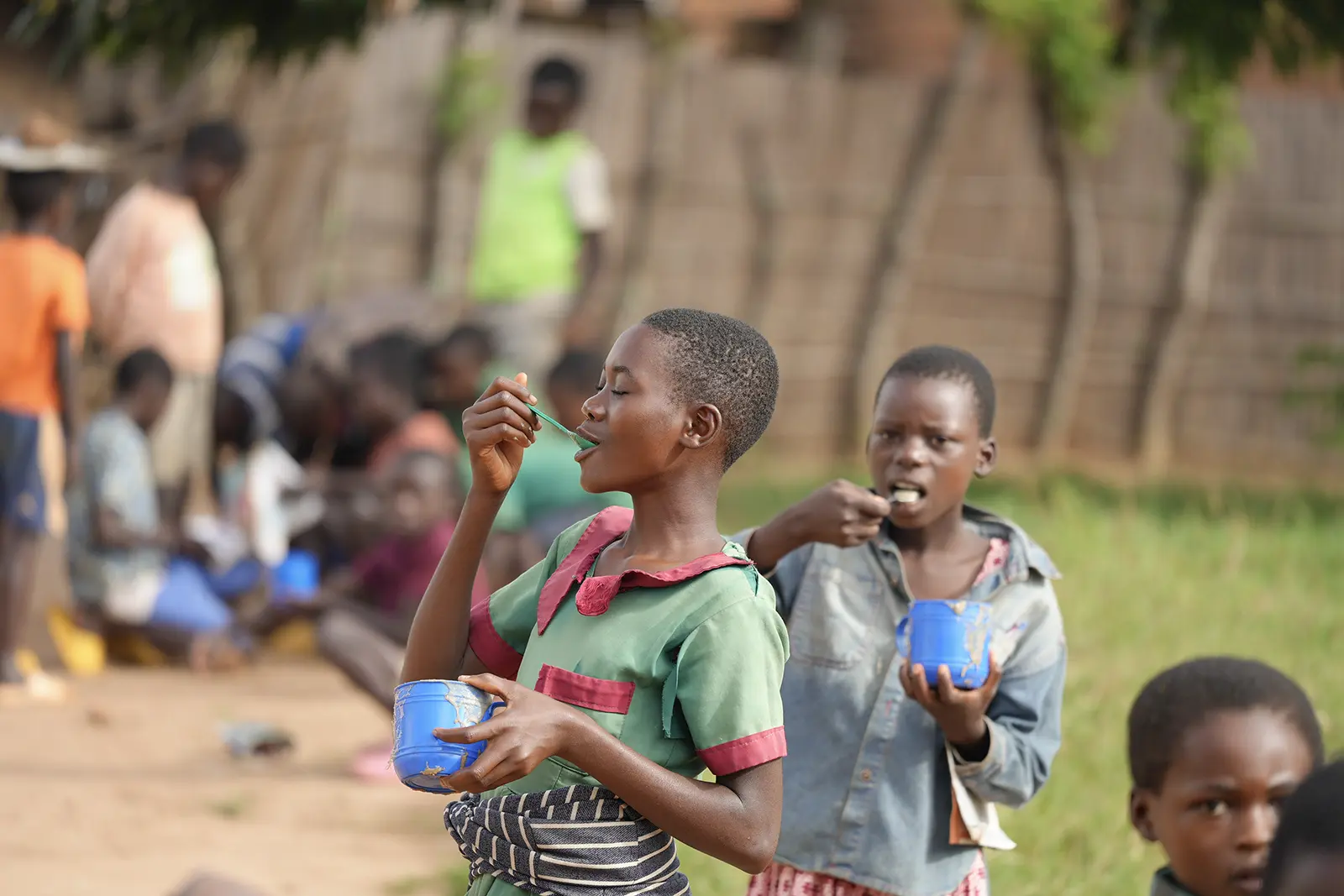
The USDA-funded Tiwoloka program supports 106 schools, reaching 65,034 students in 2025.

The program is piloting innovative protein-rich porridges to improve children’s nutrition.

With an average investment of $0.26 per child per day, the program has helped increase school attendance from 53% to 72%.

Guatemala

The PepsiCo-funded 4SAN project integrates nutrition education with Guatemala’s national school feeding program.

The program reached 10,000 children in 2025 and plans to reach an additional 5,000 children in 2026.

The project also:

  • Provides fortified oatmeal for children to consume at home.
  • Improves access to safe drinking water in classrooms.
  • Strengthens nutrition education for students and families.

The importance of school meal programs

School meal programs do more than provide food. When designed well, they strengthen education systems, improve child nutrition, and support local economies.

CARE’s approach connects nutrition, agriculture, and education. By linking schools with local farmers, improving meal quality, and supporting government leadership, CARE helps ensure school feeding programs are sustainable and can expand over time.

These programs help children thrive by ensuring they are well nourished, ready to learn, and better prepared for the future.

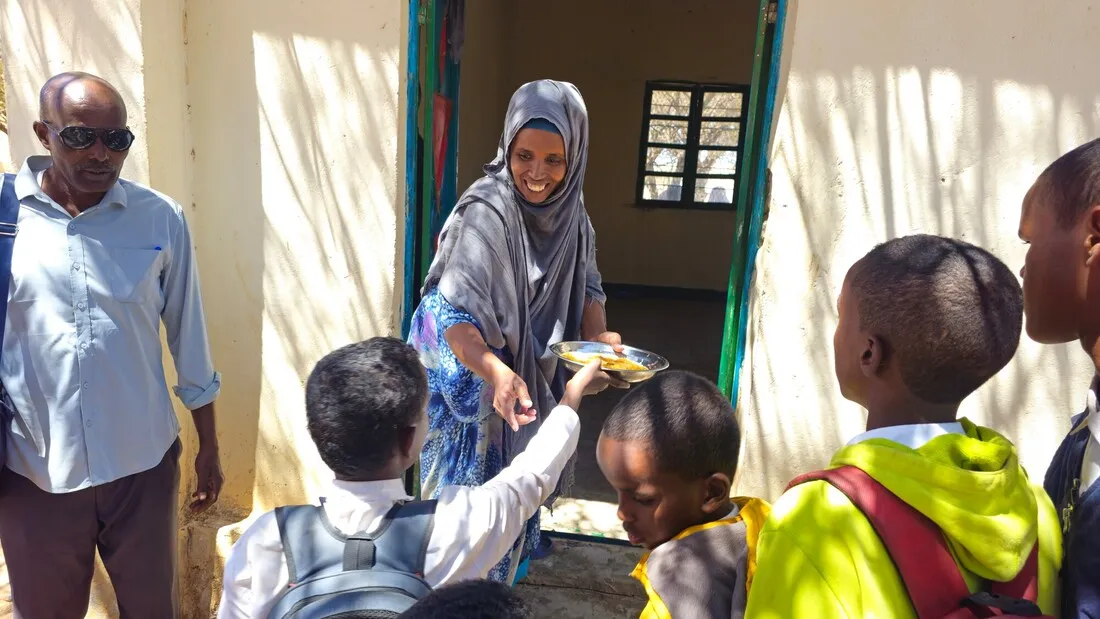
Muna, 43, has a daughter and son who attend a school where CARE has a meals program. "I support them by volunteering to prepare the meals. Before we had the meals, I did not know how to feed my children. I had to keep them at home to help me find enough food for the family," says Muna.