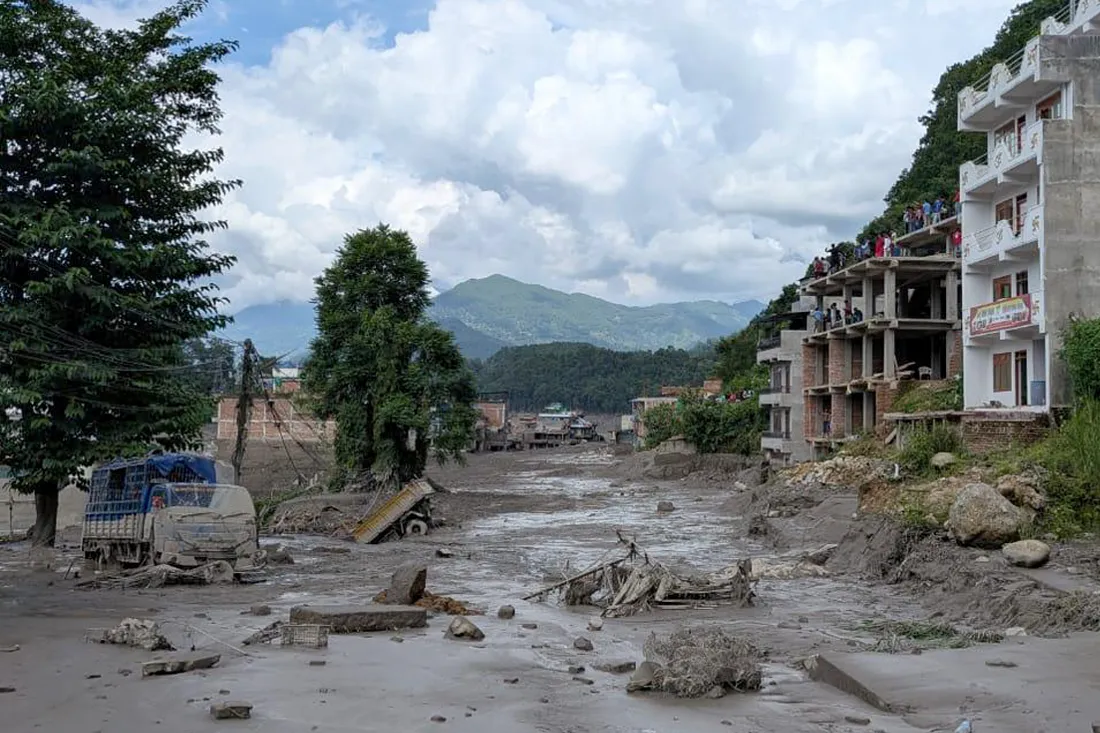
On August 26, 2026, massive flash flooding struck Nepal’s Rasuwa, Nuwakot, and Dhading districts, impacting approximately 1.6 million people. As of September 10, 2026, 1,369 deaths have been reported and 5,132 people are missing. Officials declared the affected areas crisis zones, as access is impeded by blocked roads, damaged bridges, and difficult terrain, particularly in upper Rasuwa. Around 3,591 of an estimated 8,044 people displaced by the flooding remain in 37 holding centers across Rasuwa, Nuwakot, and Dhading.
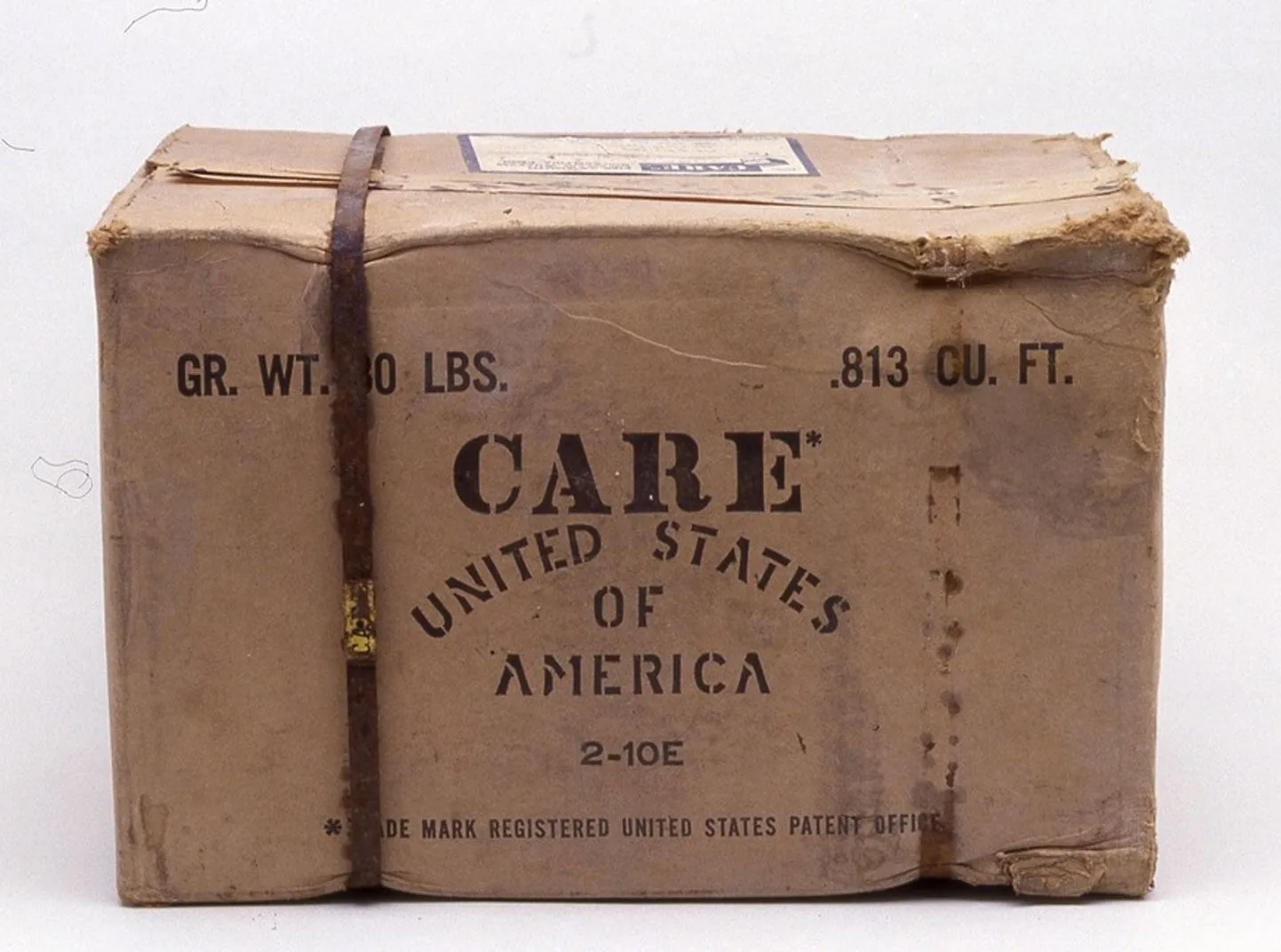
CARE Nepal is working with government agencies and local organizations to get emergency assistance to the families most affected. This includes distributing CARE PACKAGE® for Emergencies parcels, ready-to-cook food packages, generators, hygiene kits, blankets, and other essential items to families affected by the flooding. Donate now and learn more about CARE’s response.
Ongoing relief efforts in Nepal
CARE Nepal works in partnership with state agencies, donors, NGOs, civil society organizations, research institutes, the private sector, and community members.
We work across the spectrum of humanitarian action and long-term development programs to address violence against women and girls, women and girls’ leadership, good governance, reproductive health, livelihoods, food and nutrition, and disaster preparedness.
CARE in Nepal
CARE began working in Nepal in 1978 as one of the country’s first international humanitarian organizations. For over 40 years, CARE Nepal has partnered with communities to fight poverty, promote equality, teach practical skills, and help people build better lives. Today, CARE Nepal works to ensure that caste, ethnicity, and where people live do not determine their access to opportunities and services. The organization also helps people prepare for and respond to environmental change and natural disasters. In fiscal year 2025, CARE in Nepal reached 1.14 million people, 53% of whom were women and girls.