Somalia has two rainy seasons. The second, called the Deyr, usually runs from October to December. Recent forecasts project that the 2026-2027 El Niño season may make the Deyr far more severe, bringing heavy rain and flooding before the end of the year.
For families who have spent years watching crops wither and livestock die, more water might sound like relief. It is not.
Deyr rain can become torrential, triggering flash floods and causing rivers to overflow. During the 2023 El Niño floods, 1.2 million people were displaced across Somalia. This year, Somalia’s disaster authorities estimate that 2.5 million to 3.5 million people could be exposed to flooding, with as many as 1 million at risk of further displacement.
In 2023, forecasts allowed the Somali government, World Food Programme (WFP), and other partners to send early warnings, distribute cash before flooding began, and pre-position supplies in high-risk areas. Similar preparations are underway this year, but much of the network that made that possible no longer exists.
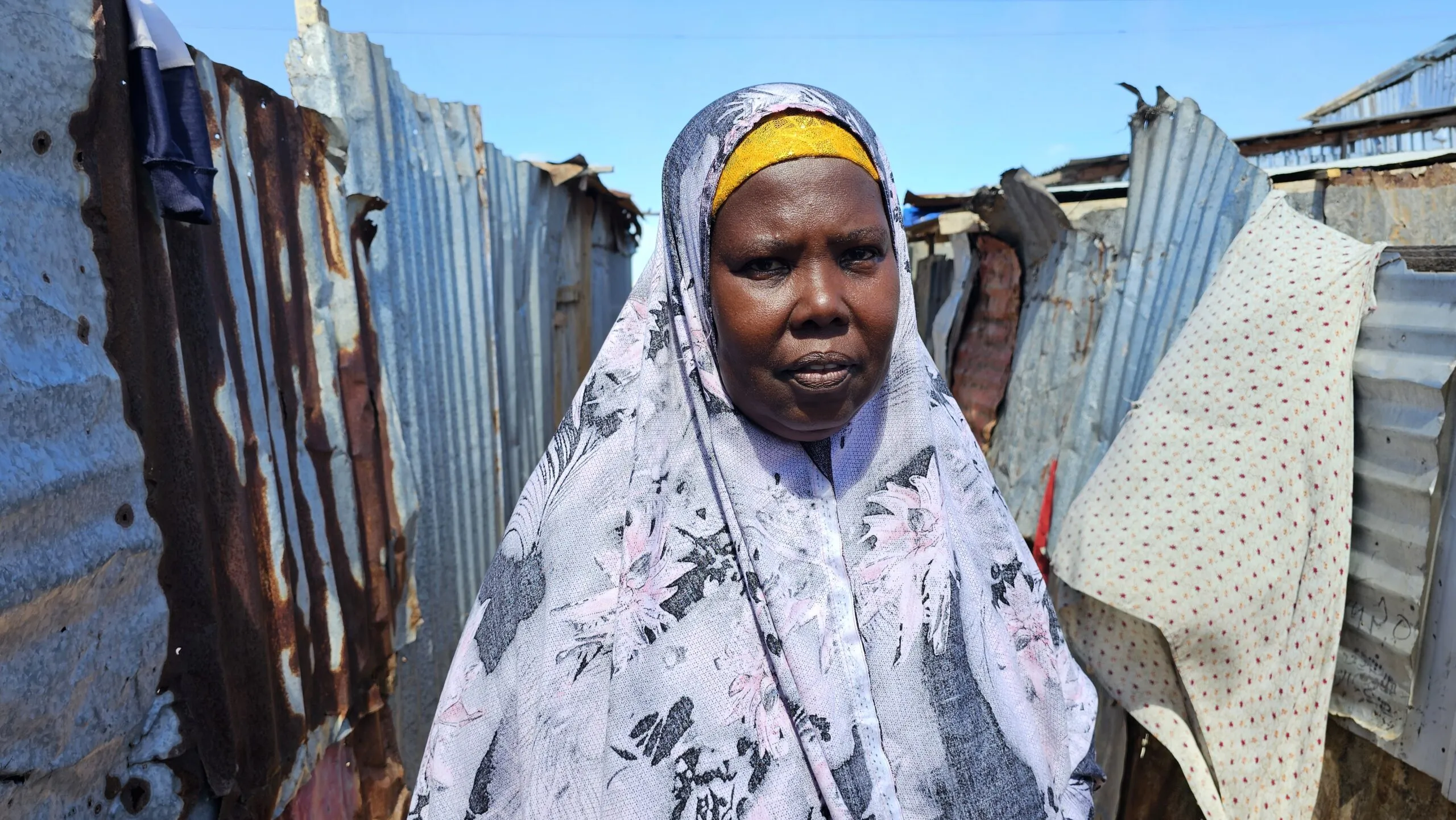
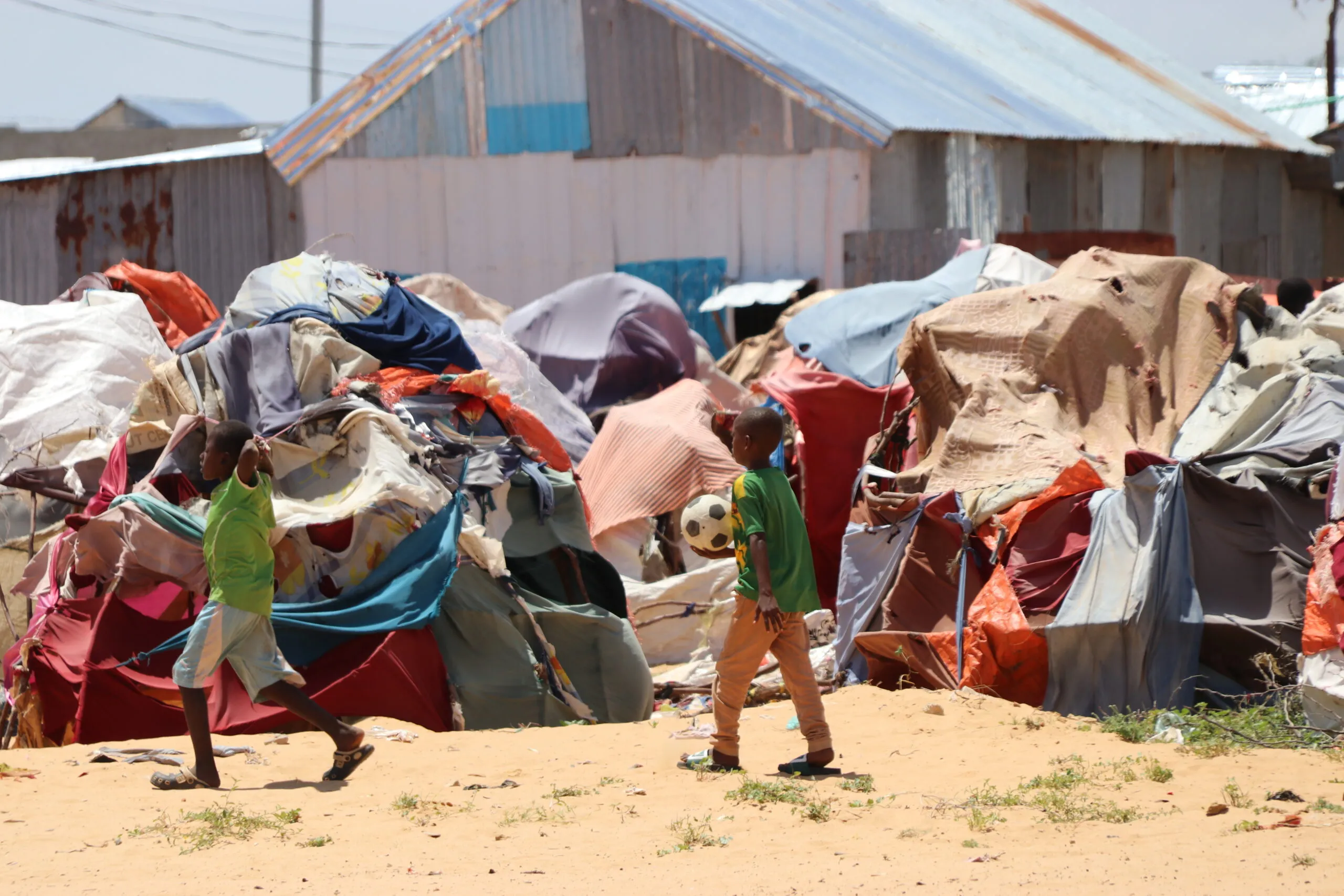
The people in the path of the flooding have already lost nearly everything. Years of failed rains killed their livestock and destroyed their harvests, driving many into displacement settlements that sit on low ground near the rivers. Some communities hit by the 2023 floods are still living with destroyed homes, damaged irrigation systems, and lost herds three years later.