What we do
This year, CARE and partners worked in 121 countries, reaching 58.7 million people through more than 1,467 projects.
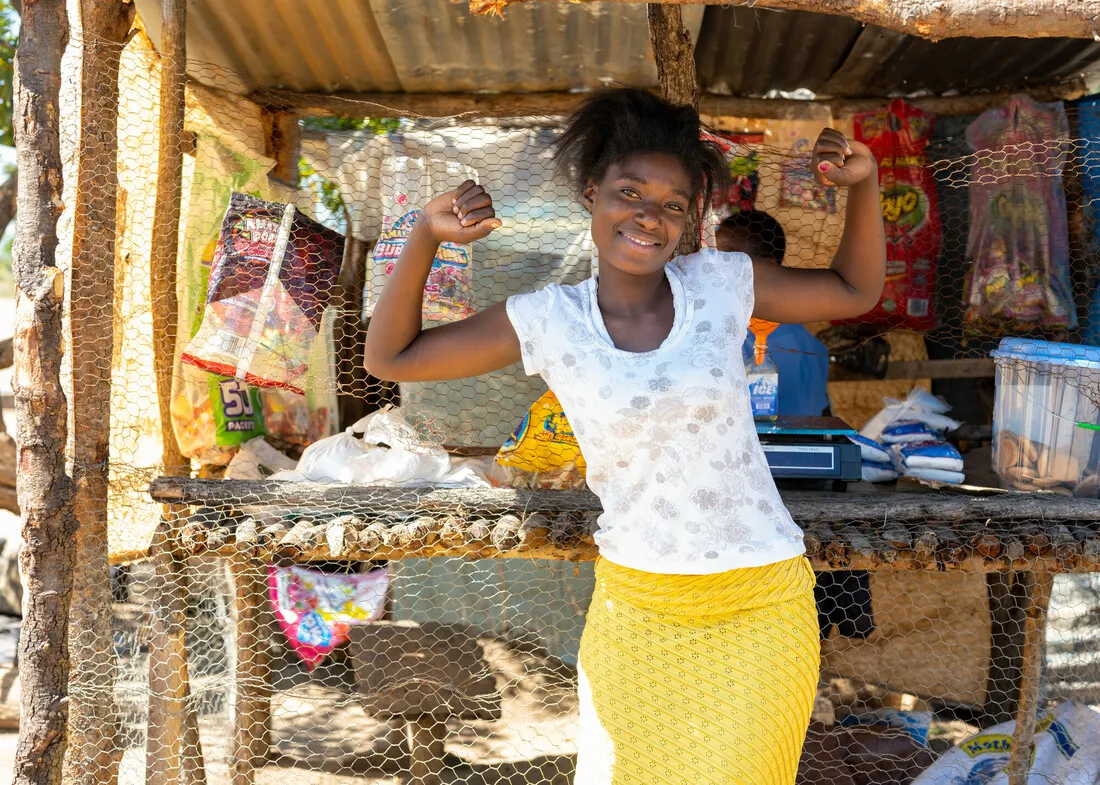
Women and families are a vital part of CARE's community-based efforts to improve basic education, increase access to quality health care, and expand economic opportunity for all.
Our program areas
Crisis
CARE helps people around the world during emergencies and ongoing crises.
Food and Water
Hunger and malnutrition remain the leading threats to public health worldwide.
Health
Access to quality healthcare is the most significant divide in our global community. CARE offers long-term solutions to those most in need.
Education and Skills
Education and the right to work are the most powerful tools in overcoming extreme poverty.
Economic Growth
CARE works with the private sector, government, associations, and more to make markets more equal and sustainable.
Women and Girls
We cannot end poverty while inequality persists. Discrimination against women has negative implications for everyone.
Our global strategy
A New Report | Release Date
CARE's new strategy is a bold reaffirmation of our commitment. We will continue to lead, advocate, and co-create with our partners as they respond to crisis, sustain their communities, and rise from poverty.
Read more about our strategy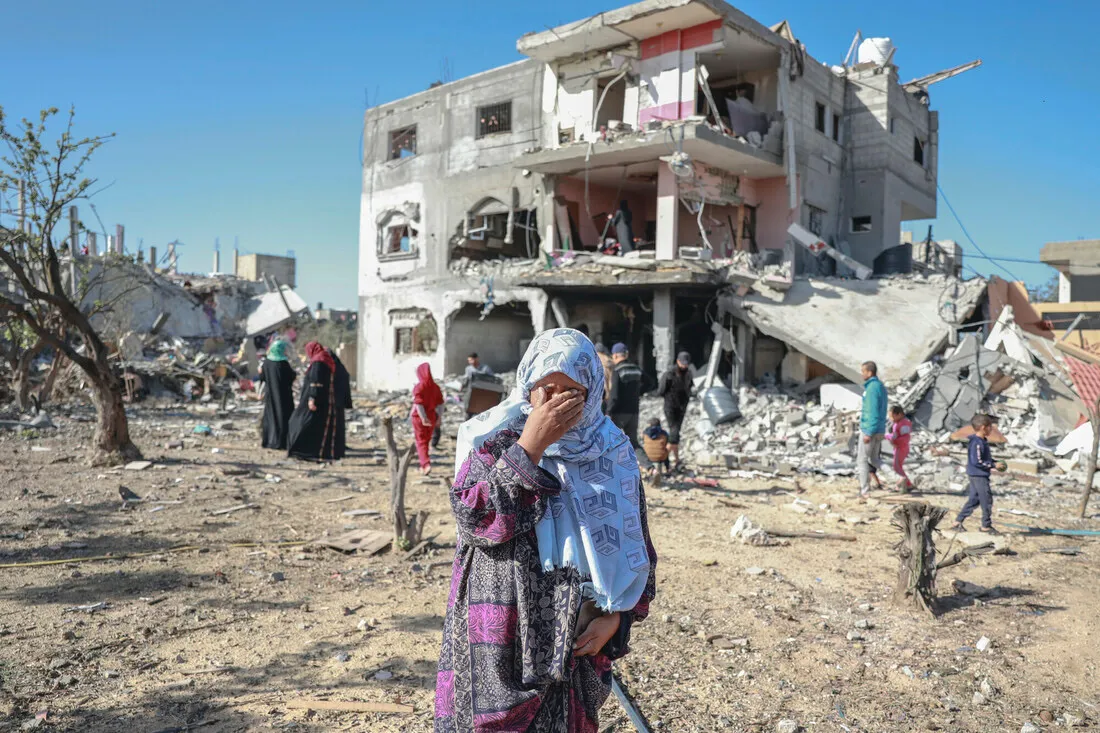
Your Gift = Helping Families
Give moms and children worldwide a gift that provides food, health supplies, and shelter to families in crisis.
Give Now