Proper breastfeeding

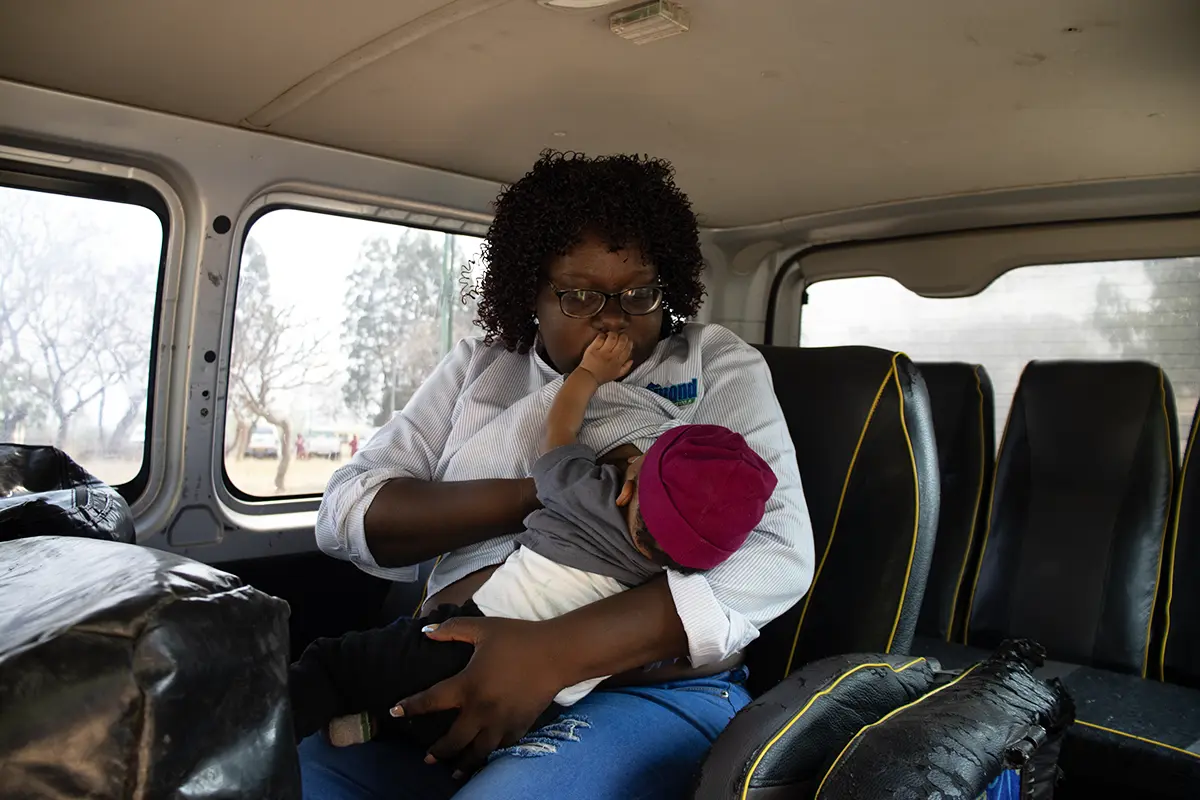
A woman sits in a car while breastfeeding her baby.

Photo credit: CARE Zimbabwe

CARE helps make sure mothers and babies get the support they need to breastfeed—because it’s one of the best and most affordable ways to keep babies healthy and growing strong.

CARE supports, protects, and promotes breastfeeding

Breastfeeding helps protect babies from illness and gives them the best start in life. It also supports mothers’ health.

CARE focuses on supporting breastfeeding in both emergency situations and long-term development work. CARE promotes and assists all mothers to breastfeed, especially those in communities that are at greater risk—like mothers living with HIV, teen moms, and those with premature or low-birth-weight babies—who may need extra help.
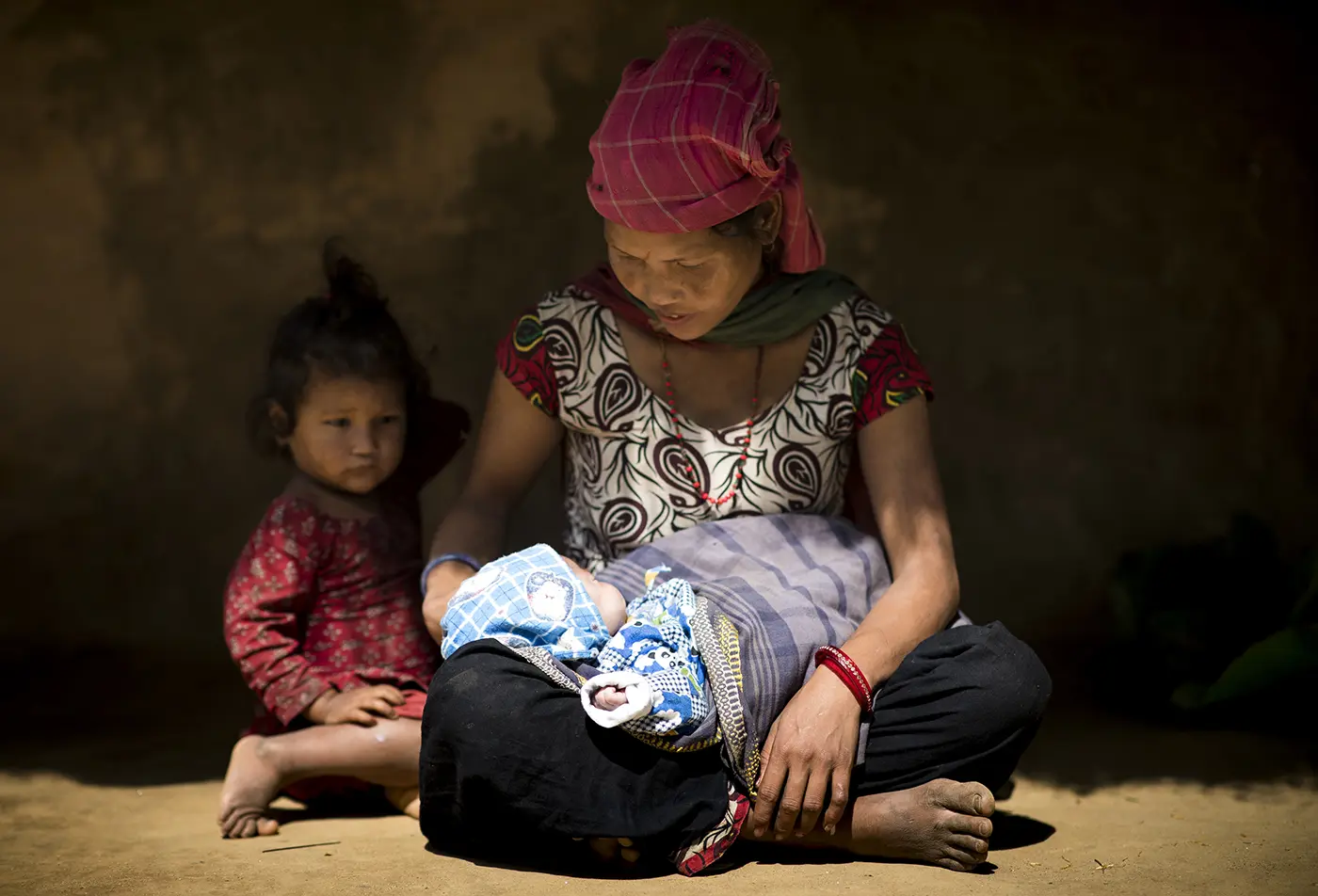
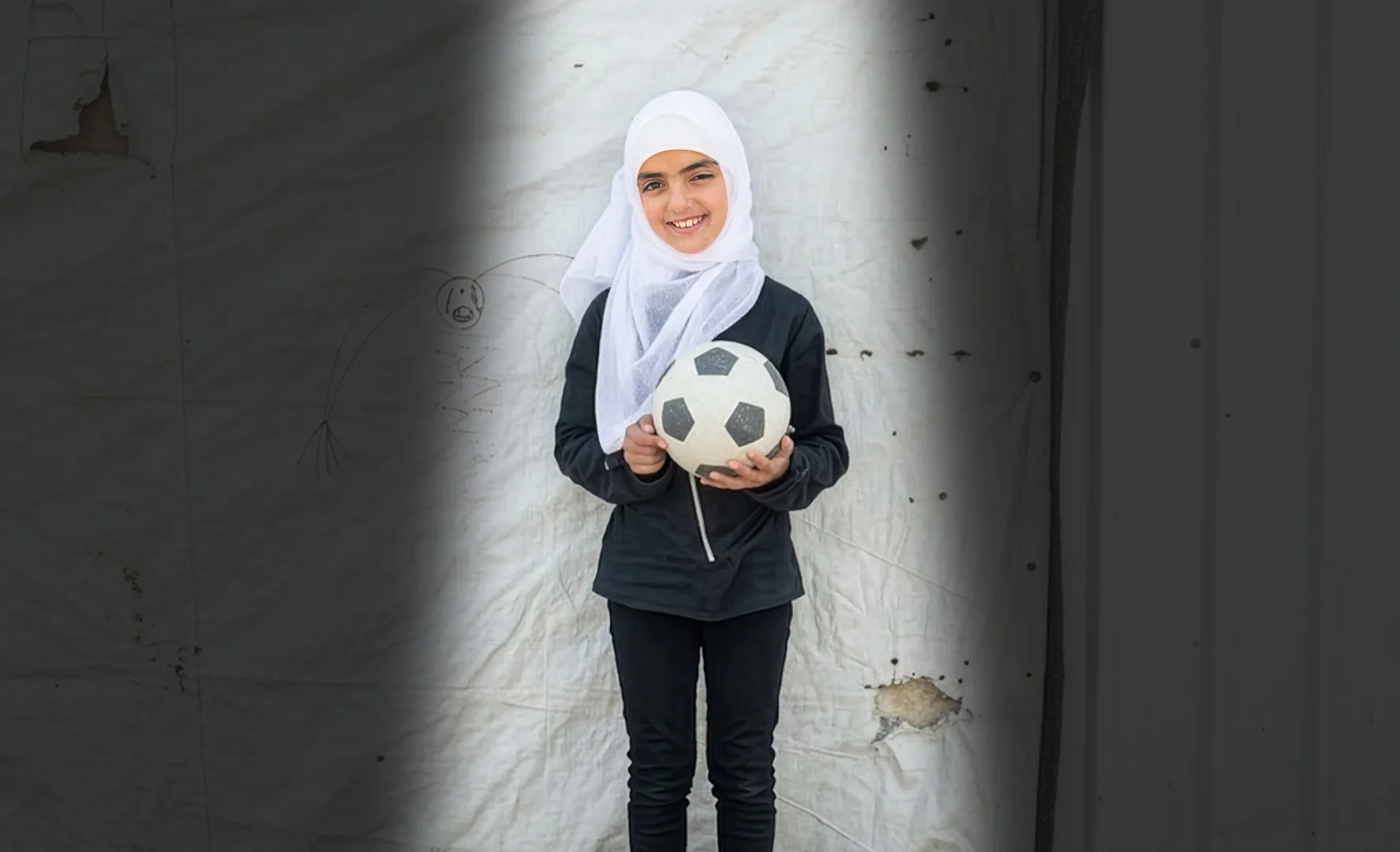
Photo credit: CARE Nepal

How CARE supports breastfeeding efforts globally:

  • Emergency response: CARE actively works in emergency contexts to ensure mothers and infants have access to safe and appropriate feeding options. This includes providing support for breastfeeding, especially in situations like displacement, conflict, and natural disasters.
  • Protecting breastfeeding: CARE advocates for policies and practices that protect breastfeeding, including access to skilled breastfeeding counseling and support in healthcare facilities.
  • Supporting frontline health workers: CARE trains and equips frontline health workers to provide support and education to mothers on breastfeeding.

Why breastfeeding matters:

  • Child survival: Breastfeeding is a critical intervention for reducing infant mortality, particularly from preventable diseases like diarrhea and pneumonia.
  • Optimal growth and development: Breast milk provides all the nutrients and antibodies a baby needs in the first six months of life, supporting healthy growth and brain development.
  • Maternal health: Breastfeeding can also benefit mothers by reducing the risk of certain cancers and promoting postpartum recovery.
  • Cost-effectiveness: Breastfeeding is a cost-effective way to improve child health outcomes, requiring minimal resources compared to other interventions.

Key facts about breastfeeding

Breastfeeding helps children grow healthier and smarter, stay in school longer, and earn more money as adults. It also saves families and countries money by improving health and reducing medical costs.

The lives of 820k children under two would be saved yearly if they were properly breastfed

The lives of 820k children under two would be saved yearly if they were properly breastfed

Poor nutrition is linked to nearly half of all child deaths—around 2.7 million each year

Poor nutrition is linked to nearly half of all child deaths—around 2.7 million each year

CARE advocates for the support, promotion, and protection of breastfeeding as a lifesaving intervention.

CARE promotes:

  • Early initiation of breastfeeding within the first hour after birth
  • Exclusive breastfeeding for the first six months with no other liquids or solids, except for medications.
  • Introduction of nutritionally adequate and safe complementary foods at six months while continuing to breastfeed.
  • Continued breastfeeding for up to two years or beyond: Breastfeeding should continue alongside the introduction of complementary foods, as it provides ongoing nutritional and health benefits for both the child and the mother.
  • Breastfeeding on demand: Infants should be breastfed without any restrictions on frequency or duration.

Learn more about CARE’s work supporting breastfeeding by watching the videos below.

CASCADE program: Reducing malnutrition for women and young children

CASCADE, a five-year program implemented by CARE and GAIN, encourages mothers to breastfeed their newborn babies by explaining the nutrition benefits.

Watch Video
Healthcare workers are mothers too: Let's support their right to breastfeed

When new mothers returned back to healthcare work, many stopped breastfeeding their babies. By adding a lactation room, one hospital reversed that trend.

Watch Video

Collaborating with partners

CARE often works with governments, UN agencies, and other organizations to implement breastfeeding programs and initiatives. CARE is a member of the Global Breastfeeding Collective, a partnership of international agencies calling on donors, policymakers, philanthropists, and civil society to increase investment in breastfeeding worldwide.

CARE actively participates in World Breastfeeding Week, sharing information and resources related to breastfeeding.

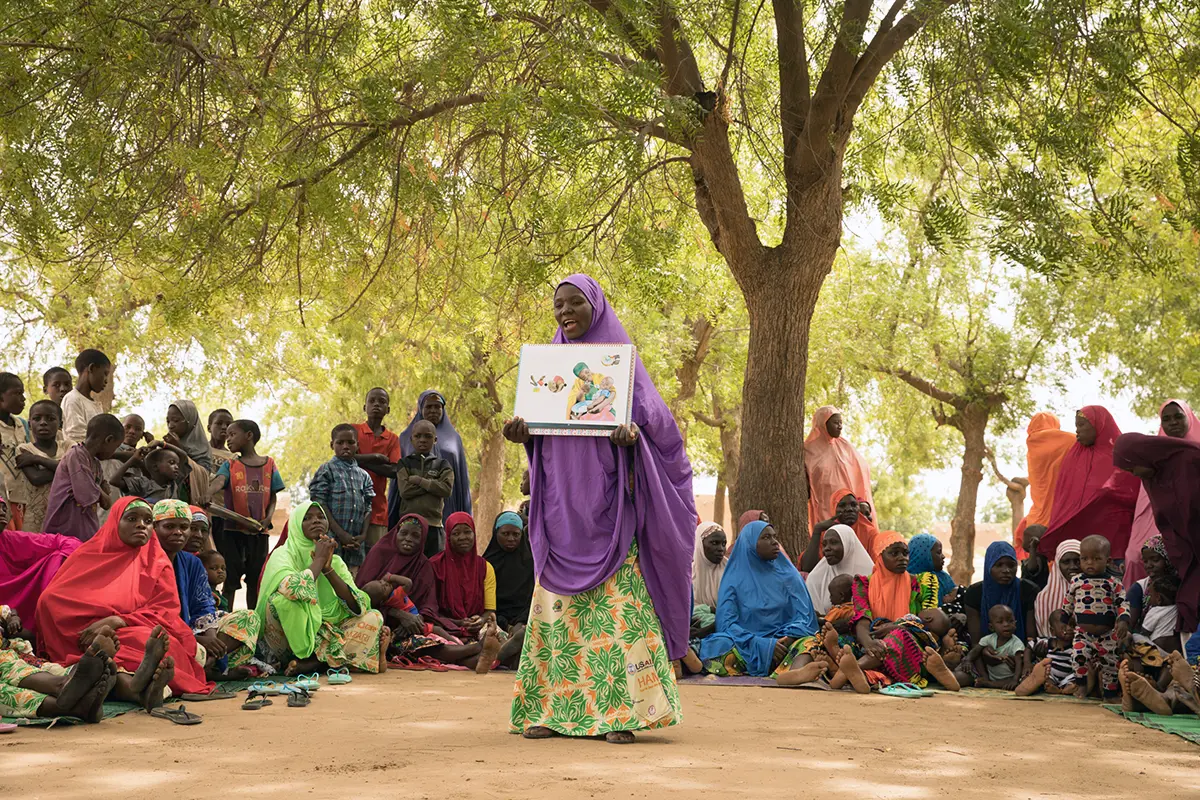
Photo credit: CARE Niger