Gaza Humanitarian Crisis
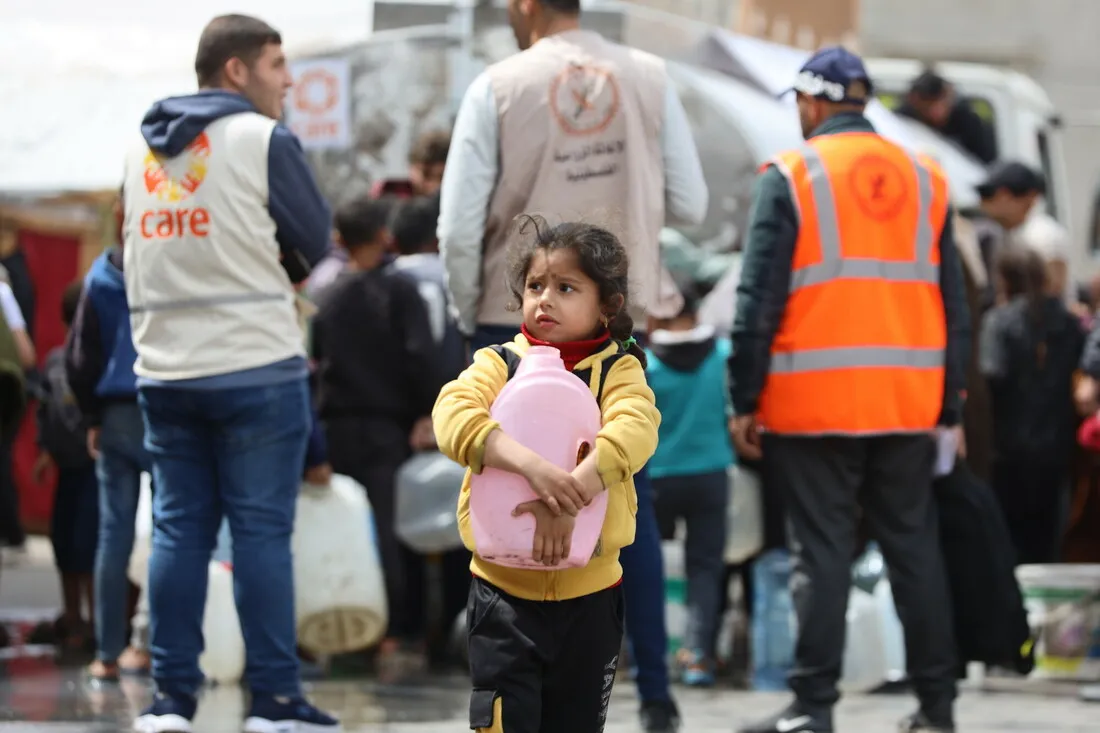
The scale of suffering and need in Gaza is at a level we have never seen. While humanitarian access is currently limited, our teams in Gaza and across the border in Egypt are prepared.
Learn more





“I have been a doctor working for Juzoor for seven years, but the past half year has been the most challenging time of my life,” says Dr. Mohammad.
“Growing up under occupation, I grew up amid despair. More than anything I wanted to help my community; to help my people in Gaza during times of crisis and conflict. Now, almost seven months after the war in Gaza escalated, I am looking back at what is currently the most difficult time of my life.”
Six months after the start of this devastating conflict in Gaza, CARE spoke to displaced mothers about their current living situation, biggest fears, and their wishes for the future.
As the month of Ramadan begins around the world, there is no escaping the stark contrast between the spirit of the holy month and the reality of life in Gaza, Yemen, the West Bank, Sudan, Syria, and other conflict zones.
From advocacy, to letter writing, donating money, volunteering and more, there are many ways you can help.
Worldwide, 1.2 billion people live in absolute poverty. Most of them are women and girls. You can change that.
Learn how to become an advocateWhen you give to CARE, you fight against the barriers that women and girls face every day.
Start donating todayFrom advocacy, to letter writing, donating money, volunteering and more, there are many ways you can help.
Worldwide, 1.2 billion people live in absolute poverty. Most of them are women and girls. You can change that.
Learn how to become an advocateWhen you give to CARE, you fight against the barriers that women and girls face every day.
Start donating todayFor more than 75 years, CARE has led the way to a better life for millions of vulnerable people around the world.
We
save lives,
defeat poverty,
achieve social justice,
and fight for women and girls.